Car won't start after changing fuel injectors
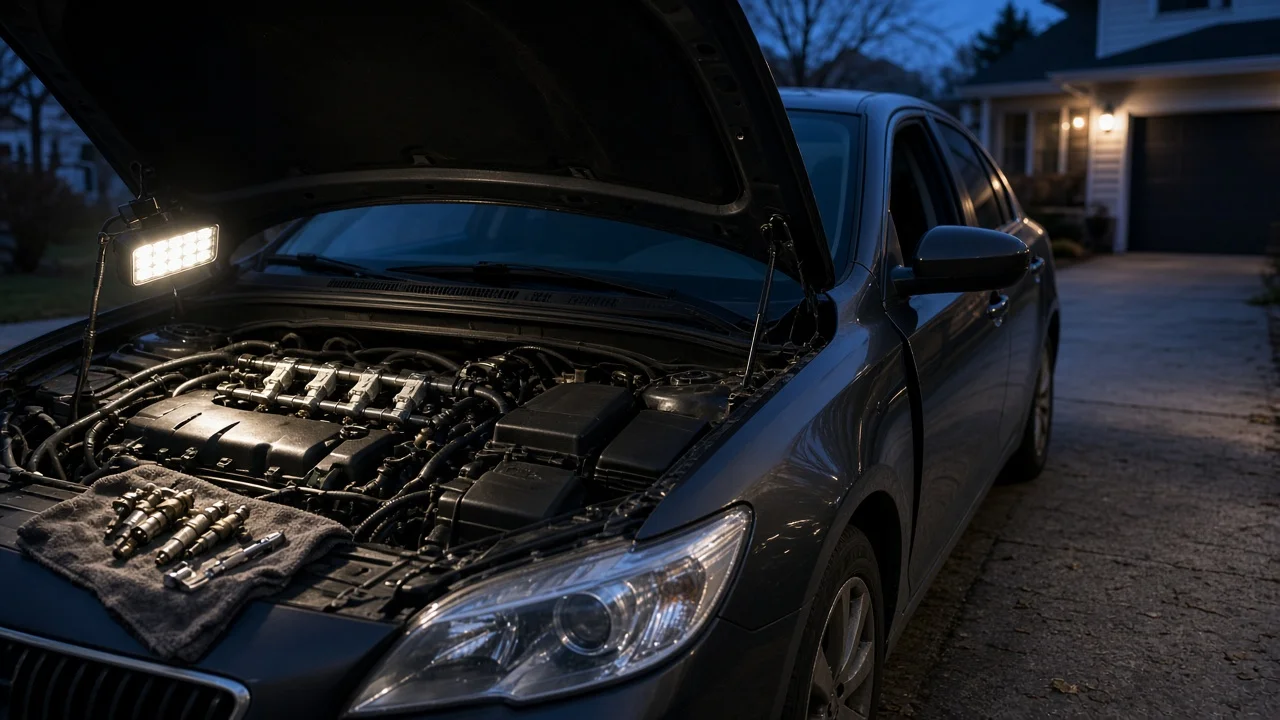
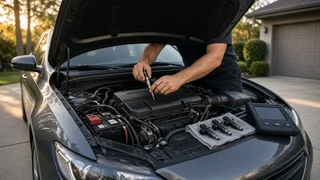
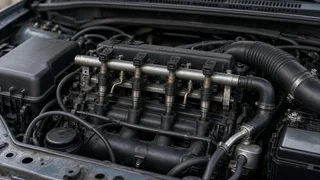
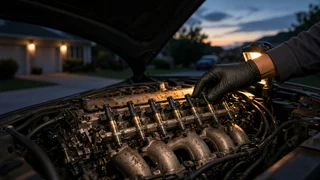
A no-start after replacing fuel injectors usually points to something disturbed during the job rather than a failed injector itself. The condition appears when the engine cranks but will not fire, cranks slowly, or stays silent. Because the repair involves fuel delivery, intake sealing, electrical connectors, and residual pressure, the cause can shift from simple to hidden quickly. The measured queries reflect this exact scenario: the car ran before, the injectors were changed, and now the starting sequence is broken. A careful diagnostic order separates harmless air from a real fuel or ignition interruption.
Direct answer
When fuel injectors have just been changed and the car will not start, the most common immediate issue is air trapped in the fuel rails and injector galleries. The pump may build pressure, but compressible air prevents a clean spray pattern at the nozzle. Cycling the key to run for a few seconds without cranking, then turning it off, repeats the fuel pump prime and pushes that air back toward the tank through the regulator. A no-start immediately after the repair is therefore not automatically a bad part; it is often a system that has not yet recovered its liquid fuel column.
The next plausible cause is a connector that clicks but is not fully seated or has a bent terminal at one injector. A single loose injector plug on a port-injection engine usually causes a rough start or misfire, but combined with a partially discharged battery and raw fuel washing the plugs, the vehicle may not catch at all. Check that each connector latch is engaged, the ground side is clean, and no wire was pinched under a bracket during reassembly. The starter circuit, battery state of charge, and cranking speed also matter: a slow crank weakens the injector pulse and coil output enough to prevent firing.
History and development
Fuel injector replacement on port-injected and direct-injected engines follows a long development path from mechanical spray nozzles to solenoid and piezoelectric designs. Early electronic systems fired injectors in batches or pairs, while later sequential operation times each pulse to an intake stroke. This evolution raised the importance of connector routing, O-ring sealing, and high-pressure fuel stability because a small disturbance at the rail or high-pressure pump can introduce combustion-chamber leaks or pressure bleed-down. Understanding that shift helps explain why a repair that seems simple can upset several interrelated starting requirements at once.
Direct-injection systems are especially sensitive after service because the high-pressure pump depends on a properly bled low-pressure supply side. If air remains in the feed line, the high-pressure pump may not generate sufficient rail pressure for the engine control unit to authorize injection. Older throttle-body and batch-fire designs were more forgiving of a mild lean condition during cranking. Today’s precise fuel delivery strategies shorten the pulse during a cold start, so ignition switch position, residual fuel pressure, and injector electrical integrity all influence whether a cranking engine reaches a stable idle. Diagnostic checks should therefore follow the path from fuel delivery through injector sealing before condemning the new parts.