Car won't start after cleaning fuel injectors
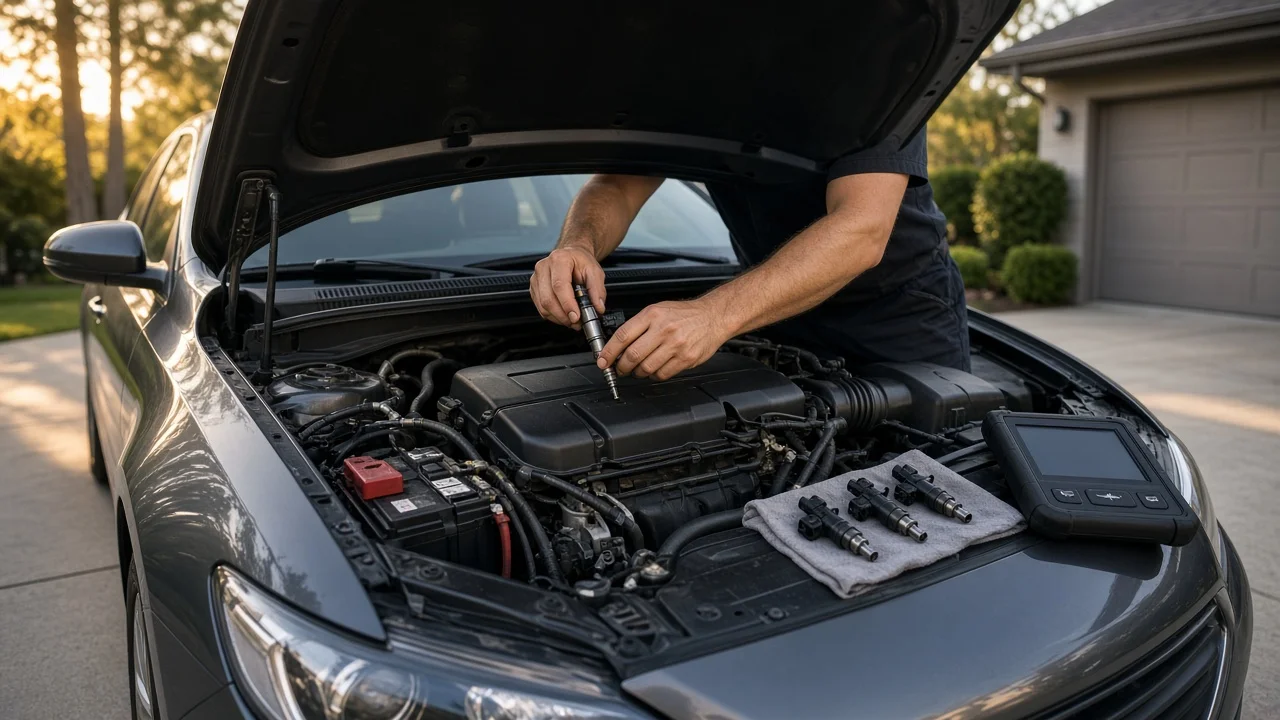
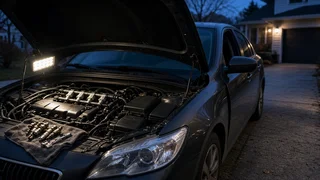
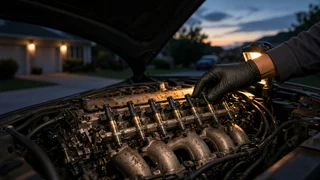
A no-start after cleaning fuel injectors usually points to an interrupted fuel path rather than a failed injector set. The service itself disturbs seals, electrical connectors, and residual pressure, so the engine may crank normally without receiving a timed, atomized fuel charge. Before suspecting the cleaned parts, confirm that the rail holds pressure and no air remains from the work. The correct next step is a focused diagnostic order: verify fuel delivery, recheck harness connections, then consider whether flooded cylinders or an unrelated starter circuit issue is masking the repair.
Direct answer
A car that cranks but will not fire immediately after injector cleaning commonly has one of three faults: the rail has not repressurized, an injector electrical connector is loose, or fuel has puddled in the intake and flooded the cold-start mixture. Because cleaning can involve removing the rail or pulsing the injectors off the engine, the system often needs several key cycles to refill the line before the pump can deliver a stable spray pattern.
If the engine cranks slowly or the dash lights dim, the no-start may be unrelated to the injector work; a low battery state of charge or weak cranking speed can prevent the ignition and fuel injection events from synchronizing. In contrast, a fast crank with no firing is more consistent with dry fuel delivery or a disturbed harness. Check for fuel odor first, then verify that each connector snaps onto the correct injector before moving to diagnostic checks of spark and pressure.