Small Equipment Tire Valve Stems (Snowblower)
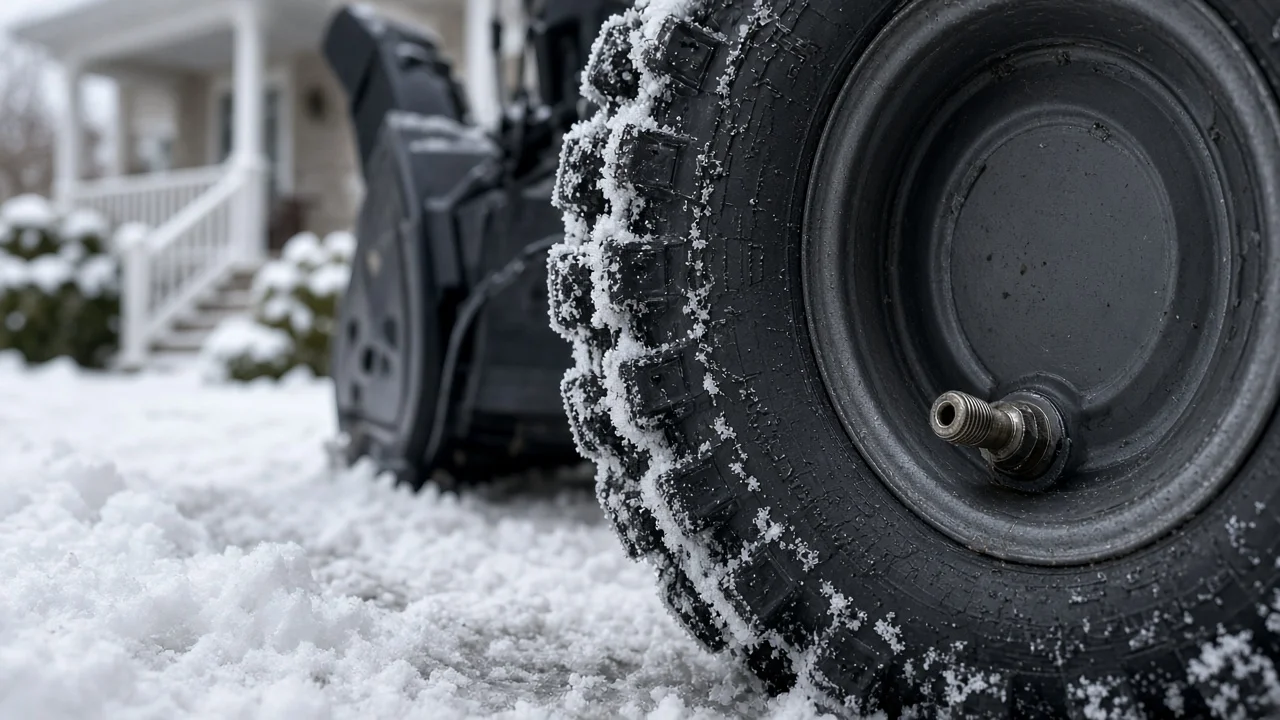
A snowblower depends on two small tires that rarely draw attention until one goes flat at the worst moment. The valve stem is the narrow passage used to add or release air, and its size, angle, and sealing condition directly affect inflation pressure. For walk-behind and single-stage machines, the wheel is compact and the rim shape often limits access. Understanding how a small tire valve stem fits the wheel helps you spot the source of a slow leak, choose the correct replacement, and keep the tire seated securely through winter.
Essential answer
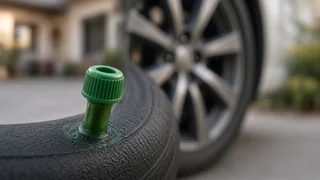
A small tire valve stem for a snowblower is the short metal or rubber assembly that pierces the rim and holds the core that controls airflow. The compact wheel diameter often calls for a stubby stem angled away from the hub so a standard air chuck can reach it. Common failures are cracking at the rubber base, loosening at the rim hole, and a flattened core seat that allows pressure to escape. Because these tires run at modest inflation, a gradual loss is often traced to the stem rather than the tire casing.
The correct replacement depends on the rim opening and whether the stem is clamped by a nut or pulled into place by a rubber shoulder. Measure the hole diameter before buying, since passenger-car stems are not automatically interchangeable with equipment wheels. The tire size and tread depth do not change the stem type, but tire diameter affects how much clearance exists around the valve. Confirm the angle and overall length, then inspect the old stem seating area for rust or burrs that could prevent a new seal.