Hayes trailer brake controller
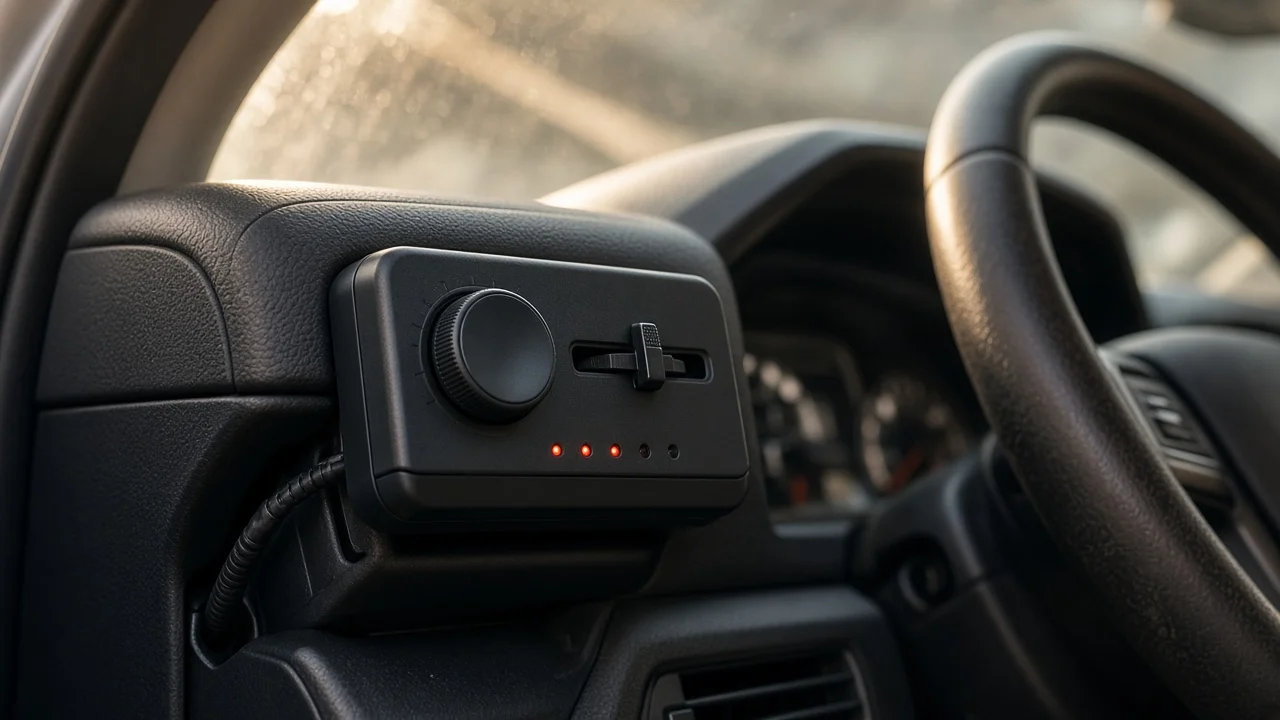
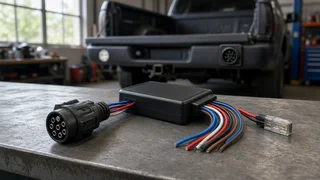
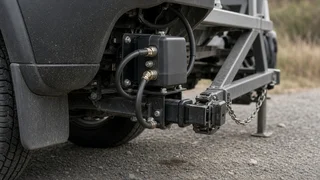
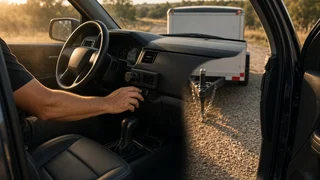
Choosing a Hayes trailer brake controller means matching your tow vehicle’s wiring and your trailer’s brake type before purchase. The right unit should give predictable stopping power without harsh grabbing or delayed response. Because trailer weights and axle configurations vary widely, the controller must be compatible with the brake pads, rotors, calipers, and friction material already at the wheels. Checking vehicle fitment and wear limits helps you avoid a controller that works electrically but feels wrong under load. A measured approach starts with understanding how the controller sends a signal to the trailer brakes and what installation requires.
The direct answer
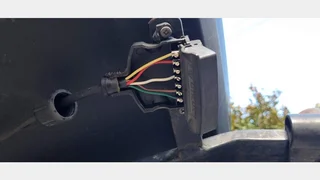
A Hayes trailer brake controller is typically selected for time-delay or proportional braking on trailers with electric brakes, but the immediate answer depends on your tow vehicle wiring and axle count. If the vehicle has a factory brake-control harness, an adapter may complete the connection without cutting wires. For heavier trailers, a proportional controller usually feels smoother because it responds to the tow vehicle’s deceleration rather than a preset ramp. Confirm whether your trailer uses electric drum brakes, because the controller’s output must match that circuit rather than a hydraulic or surge system.
Installation also turns on the condition of the trailer’s foundation brakes. Even a well-calibrated controller cannot compensate for friction material at its wear limits, damaged rotors, or a sticking caliper. Before buying, inspect the trailer brake pads and drums or rotors for thickness and contamination. If the brake fluid level or condition is unknown on a hydraulic disc setup, that system needs separate inspection. Vehicle fitment is the first filter, but brake component health determines whether the new controller will deliver the stopping force you expect.