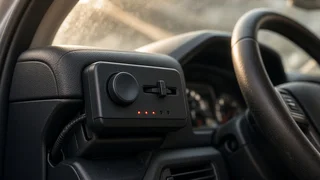
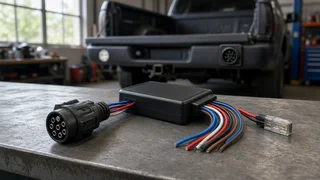
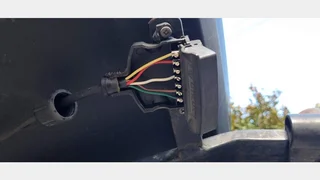
Hayes air actuated trailer brake controller
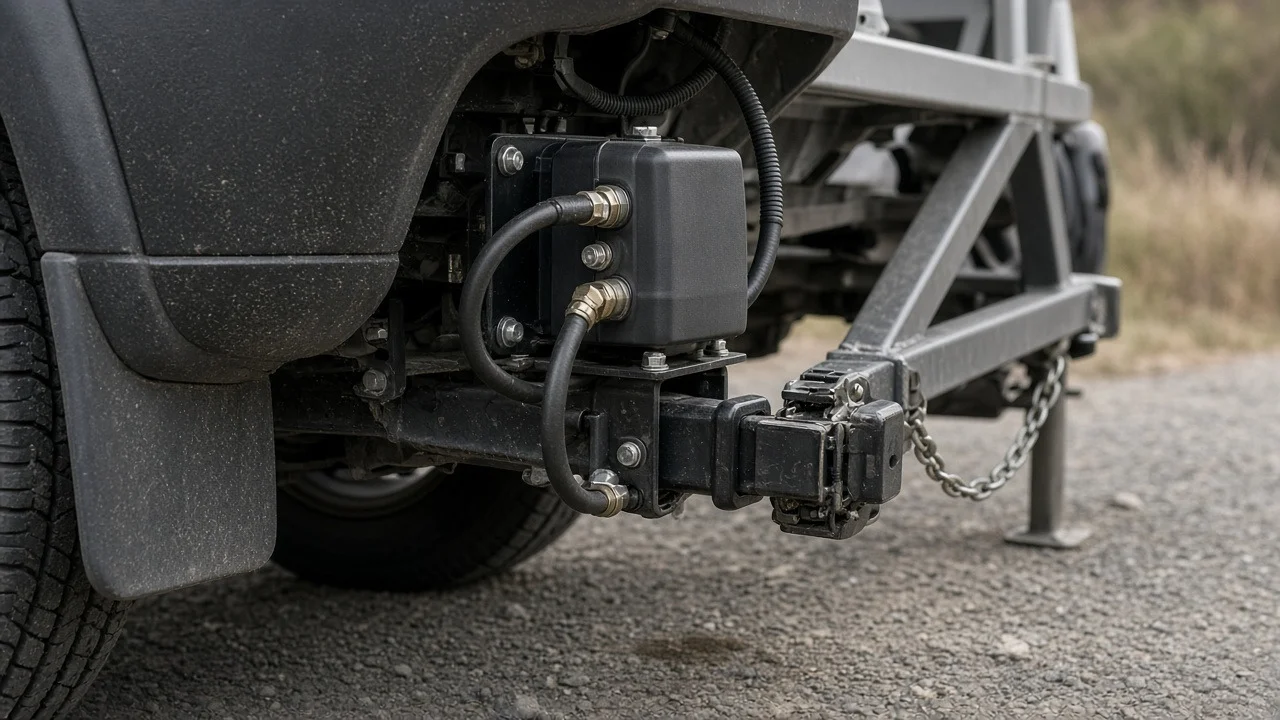
A Hayes air actuated trailer brake controller uses the tow vehicle’s pneumatic brake signal to apply the trailer brakes, making it a common choice for medium- and heavy-duty trucks and buses already plumbed with air. Shopping for one means checking vehicle fitment, air-system compatibility, and the controller’s output method rather than assuming any brand will work. This guide explains the practical considerations to weigh before purchase, from how the unit reads air pressure to the supporting brake components that determine stopping consistency and long-term wear.
The direct answer
The immediate answer is that this controller converts a measured air-brake application into an electrical signal for electric trailer brakes, but the exact fit depends on the tow vehicle’s air system and the controller model. Without supplied model-specific data, the buyer should first confirm the controller’s supported pressure range, voltage output, and connector style against the truck’s existing air supply port. A mismatch in pressure sensing can cause delayed trailer braking or uneven stops even when the towing rig’s foundation brakes, calipers, and friction material are in good condition.
Buyers should also separate controller operation from trailer brake health. The unit does not repair worn brake pads, scored rotors, low brake fluid, or a sticking caliper on the trailer; it only commands the electric braking force available. Before attributing weak trailer braking to a new controller, inspect the trailer’s brake rotors, pad thickness, and wear limits. Where the system has air over hydraulic or electric-over-hydraulic components, vehicle-specific confirmation is required because a part number that fits one truck’s plumbing may not match another.