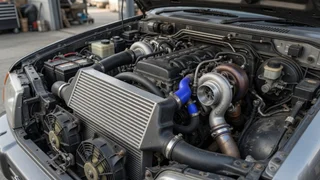
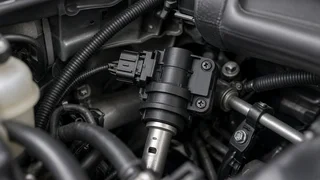
Mitsubishi 2.8 Intercooler Turbo (4M40) specs
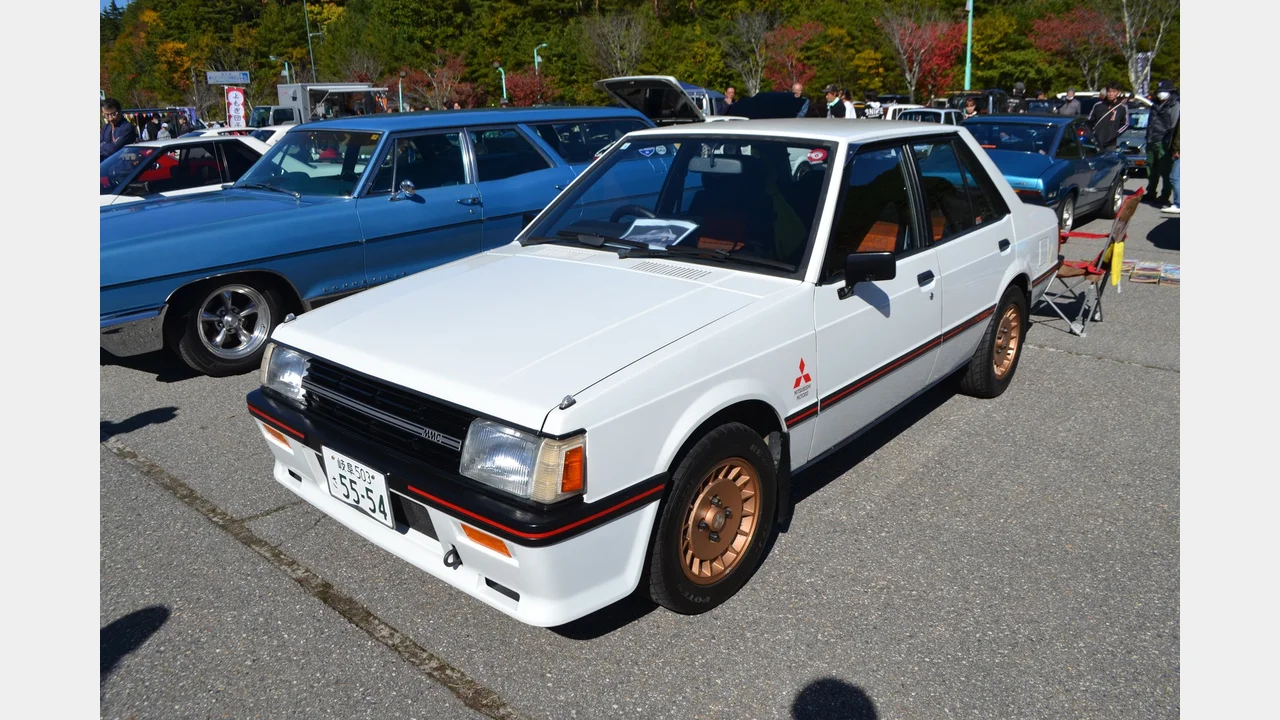
The Mitsubishi 2.8 intercooler turbo setup, commonly identified by the 4M40 engine code, matters because forced induction changes how a diesel behaves under load. A turbocharged 2800 engine compresses intake air before it enters the cylinders, and the intercooler then removes some of the heat created by that compression. The result is denser air for combustion, but only when the charge-air system, boost pressure path, and hose connections remain sound. For Pajero and L200 owners, understanding these relationships helps explain performance, fuel consumption, and troubleshooting.
Essential answer
The Mitsubishi intercooler turbo 2800 refers to the turbocharged and intercooled version of the 2.8-liter 4M40 diesel engine used in vehicles such as the Pajero, L200, and some vans. When someone searches for a Mitsubishi Pajero 2.8 intercooler turbo diesel or a 1996 example, they are usually asking what distinguishes the forced-induction model from naturally aspirated versions and how the intercooler affects operation. The essential point is that the turbocharger raises intake pressure, while the intercooler reduces charge-air temperature before air reaches the combustion chamber.
A Mitsubishi Pajero intercooler turbo system is not defined by one universal specification. The setup includes the turbocharger, compressor outlet piping, intercooler core, and the hose connections that carry pressurized air. The intercooler sits between the turbo and the intake manifold, often in a location that receives airflow through the grille or a hood scoop. Because the 4M40 was installed in different body styles and model years, mounting and plumbing details vary, but the core job remains the same: cool the compressed intake charge and limit pressure loss while keeping the air path sealed.