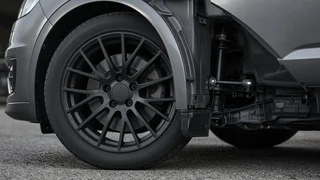
20x10 Wheel Offset
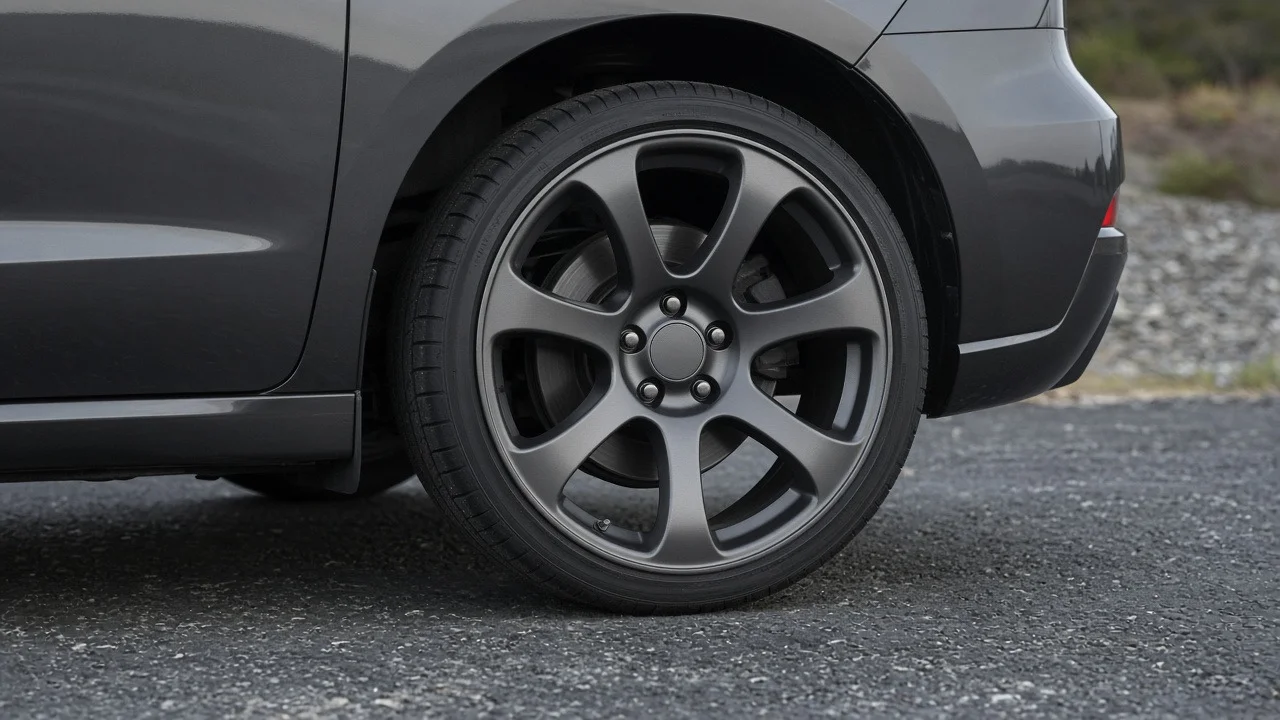
A 20x10 wheel combines a 20-inch rim diameter with a 10-inch rim width, and its offset determines where the mounting surface sits relative to the wheel's centerline. That relationship changes how the tire and wheel assembly sits within the wheel well, affecting clearance, steering feel, and appearance. Understanding offset is essential before purchasing because the same 20x10 dimensions can fit very differently depending on whether the wheel has a high positive, low positive, or negative offset.
Essential answer
The essential answer is that a 20x10 wheel offset describes the distance between the wheel's mounting hub face and the centerline of its 10-inch-wide barrel, expressed in millimeters. A positive offset pushes the mounting surface toward the outer face and tucks the wheel inward, while a negative offset moves it toward the brake side and pushes the tire outward. Zero offset places the hub face exactly on the centerline. On a 10-inch-wide wheel, these millimeter differences have a pronounced effect because the wide barrel amplifies changes in track width and suspension clearance.
For a 20x10 wheel, positive offset is common on trucks and late-model SUVs, where the factory suspension and fender design expect the tire to sit closer to the vehicle. A lower positive or negative offset creates a deeper outer lip and a wider stance, but it also increases the lever arm on hubs, bearings, and steering components. The key qualification is that no single offset is universally correct for a 20x10 width; the right value depends on the vehicle's hub design, suspension geometry, fender clearance, and intended tire size.