Low-pressure in-tank fuel pump
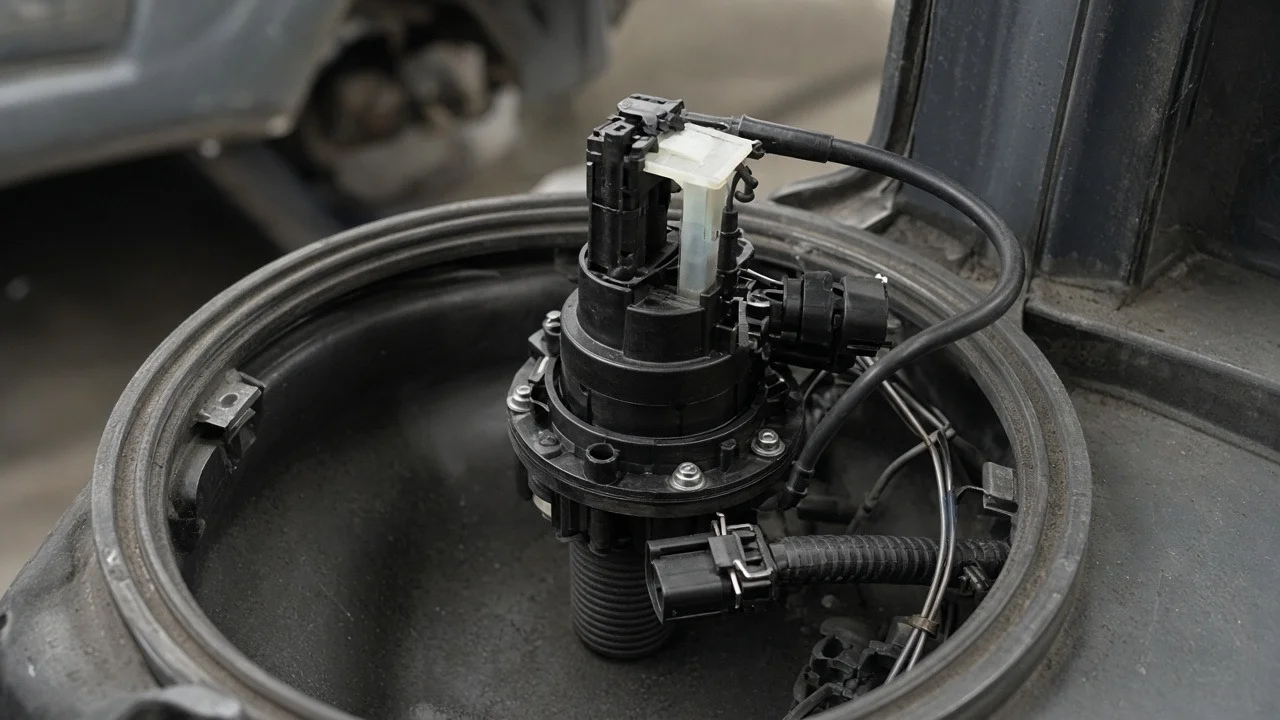
A low-pressure in-tank fuel pump moves fuel from the tank to the engine’s injection or carburetor system without creating the high rail pressures used by direct injection. When this pump weakens, the engine may start hard, hesitate, or lose power under load. The measured search phrases for “in tank fuel pump low pressure” reflect buyers and technicians comparing electric pump options, checking fuel pressure, and identifying whether a weak pump, restricted fuel filter, or failing injector is causing the problem.
The direct answer
Low pressure from an in-tank fuel pump usually shows up as a fuel supply problem, not automatically a failed pump. A clogged fuel filter, restricted pickup sock, split in-tank hose, weak electrical feed, or poor ground can reduce delivered fuel pressure just as effectively as a worn pump. The direct answer is to confirm actual fuel pressure with a gauge, then compare it with the expected range for the vehicle before replacing the pump.
For a carburetor application, a low-pressure in-tank electric fuel pump must supply steady volume at only a few psi, while many fuel-injected engines need higher feed pressure for the injectors. Fuel trim can shift rich or lean when supply pressure is unstable. Because fault codes related to lean or rich mixture are clues, they do not prove the pump is bad. The condition that materially changes the answer is whether the low reading occurs at idle, under load, or only after the tank gets hot.