Airbag Safety for Firefighters at Crash Scenes
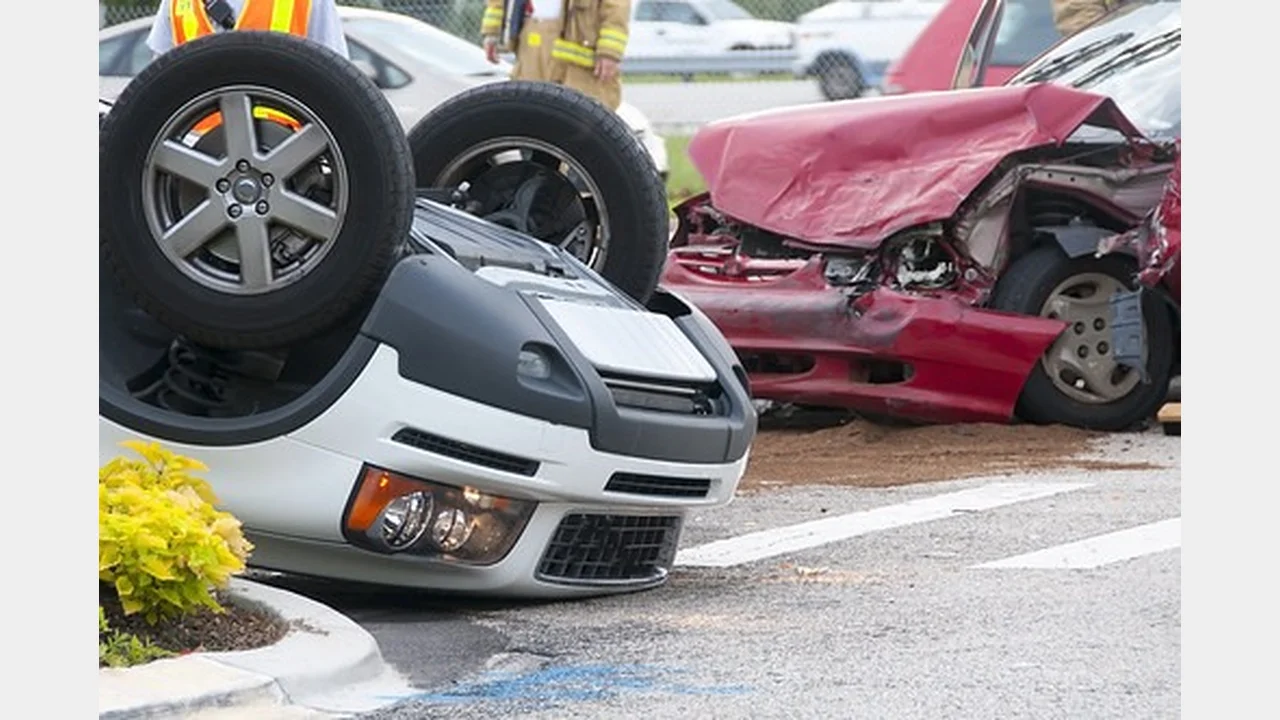
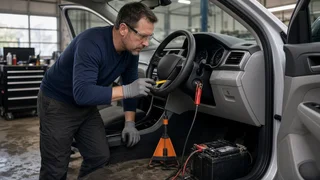
Firefighters arriving at a crash scene face a hidden hazard inside damaged vehicles: undeployed airbag systems. The energy stored in an inflator and the electronic controls that command it can remain active after an impact. Approaching a wreck requires treating the steering wheel, dashboard, seats, and roofline as part of a potential deployment zone. Airbag safety for firefighters therefore focuses on scene assessment, power isolation, and positioning that keeps personnel clear of the module covers. A restraint control module may still command a late deployment even when the visible damage looks minor, so every patient-contact and door-pop decision begins with that possibility in mind.
Essential answer
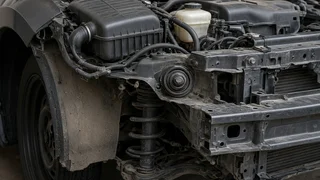
Airbag safety at a crash scene means recognizing that an airbag system is an electrically initiated explosive device until its energy supply and control path are definitively isolated. Firefighters should not assume an airbag is spent merely because the bag is not visible or the vehicle is not running. Collision forces may fail to trigger a module while still damaging wiring, sensors, or the restraint control module, leaving an unstable electrical condition. The essential protective response is to create a working distance around undeployed covers and disconnect or isolate vehicle power according to department procedure before placing tools or personnel across a module.
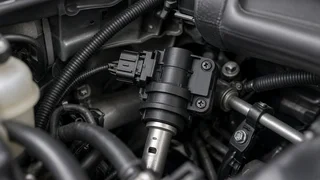
A useful mental model is to scan every seating position, not just the driver. Side curtain modules, seat-mounted thorax bags, knee bags, and seat belt pretensioners can all contain gas generators. Their covers may be hidden behind trim that shows no exterior rupture. Impact sensors may have recorded a signal during the crash without a complete deployment. Because manufacturer-dependent behavior varies, the restraint control module and its warning indicator are evidence of system state, not a guarantee. Until the high-voltage and 12-volt systems are secured and the recommended power-down time has elapsed, firefighters should keep their body mass out of the deployment path and avoid leaning across the wheel or dash during patient care.