Subaru WRX STI reviews
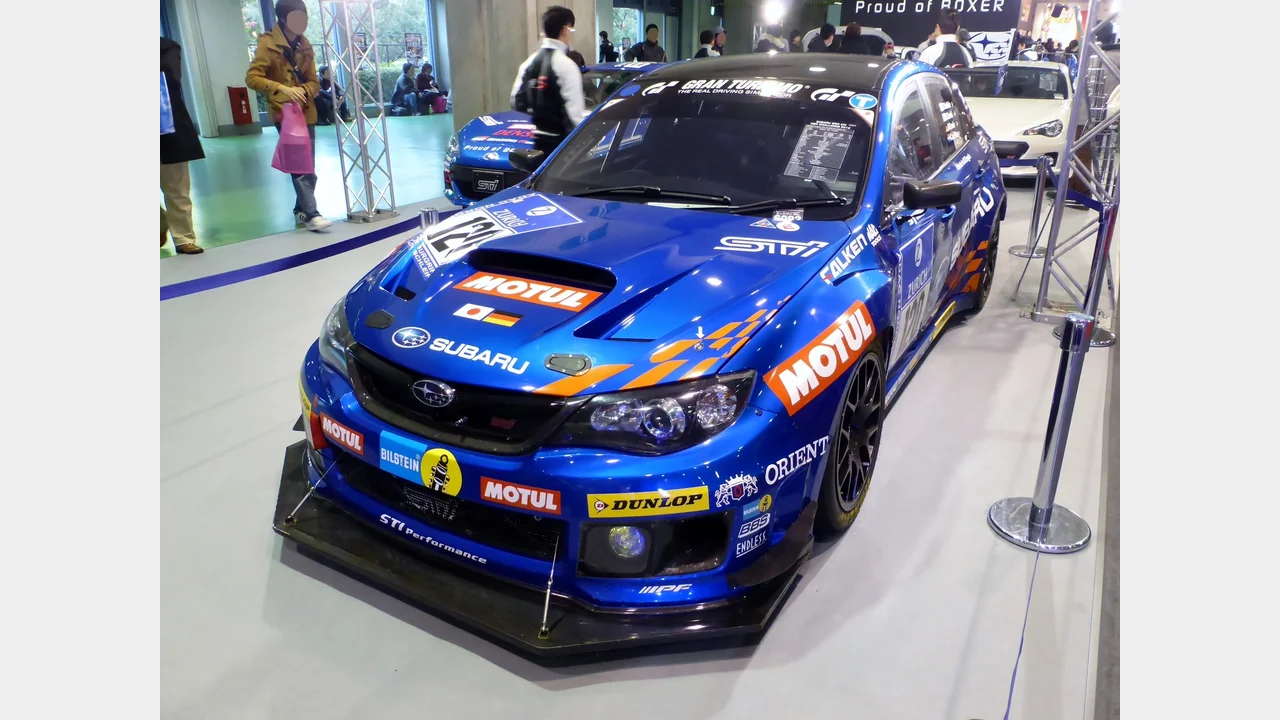
The Subaru WRX STI remains one of the most recognizable names in all-wheel-drive performance, yet researching it can feel like sorting through a tangle of model generations and trim levels. Prospective buyers searching for a focused driver’s car often want the essentials: how the turbocharged flat-four feels, whether the stiff ride is livable daily, and how the manual transmission defines the ownership experience. Understanding the model year and market specification matters because a change in generation alters steering feel, interior quality, and reliability expectations. This overview explains the core character of the STI, addressing what enthusiast reviews typically emphasize beyond simple acceleration numbers.
Essential answer
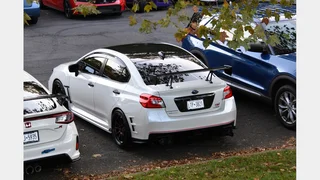
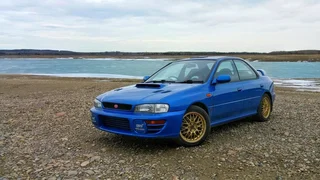
Subaru WRX STI reviews consistently describe a rally-derived compact sedan with a turbocharged boxer engine, full-time all-wheel drive, and a driver-adjustable center differential. The essential answer is that this is a high-effort, high-reward performance car whose appeal comes from mechanical connection rather than refinement. The powertrain configuration pairs a horizontally opposed four-cylinder with a close-ratio manual gearbox, creating a distinctive low center of gravity and strong front-end grip. Body style and market specification can affect perceptions, because a Japanese-market model or special trim may include features absent from a base US car, so a review’s conclusions depend partly on exactly which version was tested.
Enthusiast publications often frame the STI as a nostalgic holdout. That identity means a firmer suspension, heavier steering, and a cabin that trails newer competitors in insulation and technology. When a magazine refers to a specific model year, the comments may reflect updates to the limited-slip differential controls or styling rather than a wholly new platform. A reader should therefore treat each evaluation as a snapshot of one generation or trim level. The consistent thread across reviews is that the car rewards deliberate inputs, punishes inattention in poor weather less than rear-drive rivals, and demands acceptance of turbo lag, road noise, and a dated but direct cockpit.