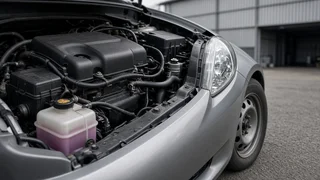
Toyota Yaris brake bleeding sequence

Bleeding the brakes on a Toyota Yaris restores firm pedal feel by removing trapped air from the hydraulic system. Air compresses easily, while brake fluid does not, so even small bubbles make the pedal feel soft or low. The correct Toyota Yaris brake bleeding sequence matters because it moves the oldest fluid and any air toward the caliper bleeder screws in an order that clears each circuit efficiently. Understanding this sequence helps owners and technicians avoid introducing new air and ensures consistent stopping performance when fresh fluid reaches all four corners.
Essential answer
The essential answer is to bleed the brake system from the wheel farthest from the master cylinder to the wheel closest to it. On most left-hand-drive Toyota Yaris models, this typically means the right rear caliper or wheel cylinder first, followed by the left rear, then the right front, and finally the left front. The pattern follows the longest brake line path first so the fluid column pushes air through the entire circuit rather than trapping it in a shorter, already-cleared branch.
The exact order can vary with model year, brake option, and whether the vehicle has ABS or stability control. Some service procedures specify a diagonal split or a different wheel order, and manufacturer-dependent codes or scan tool prompts should be confirmed for the specific Yaris. The sequence is a hydraulic bleeding path, not evidence that a caliper or master cylinder has failed. If one bleeder screw is stuck or a caliper shows uneven pad wear, diagnose that condition separately instead of assuming the order must change.