Marine windshield molding
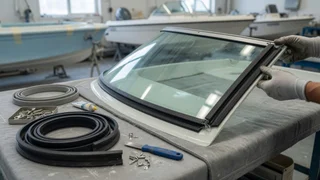
Choosing replacement marine windshield molding often comes down to interpreting what the existing extrusion, seal condition, and glass fitment are telling you. Water ingress along the frame, poor wiper contact at the edge, or a molding that has shrunk and pulled away from the glass are practical signs that the weatherseal is no longer doing its job. Because marine glazing uses profiles shaped for specific frame channels and glass thicknesses, the useful next step is to match the visible cross-section and material type to the boat’s vehicle specification before ordering. That keeps the repair focused on restoring visibility and keeping spray out of the helm area.
The direct answer
The immediate answer is that marine windshield molding should be selected by matching the profile, material, and dimensions to the existing frame and glass, not by assuming every boat uses the same extrusion. When the molding is cracked, stiff, or has pulled out of its channel, it can no longer press evenly against the glass and frame. That changes seal condition and creates paths for water ingress at the lower corners and along the bottom edge where spray collects. Replacing it with a close match restores the mechanical grip and helps keep moisture from working behind the dash or into wiring.
A cavity or channel measurement is the most useful first check because the molding must seat securely while leaving enough lip to contact the glass. If the original part is partially intact, cut a short sample or photograph its end profile, then compare that shape with available extrusions. Also check whether the windshield rake places the molding in constant wiper contact, since a soft flexible lip is more important where a wiper sweeps across the lower seal. The right profile should not lift at speed or trap water against the frame.