Manual Transmission Noise Goes Away When Clutch Pressed

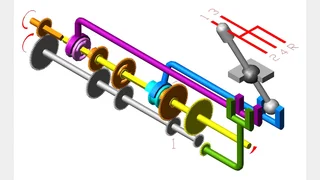
A manual transmission noise that goes away when clutch pressed usually points to a rotating component that stops or unloads when the clutch pedal is depressed. While the engine is running and the clutch is engaged, several shafts and bearings inside the gearbox continue to spin even in neutral. Pressing the pedal disconnects engine torque and allows many of those parts to coast down, which can silence a worn bearing or dry pilot area. Interpreting the sound correctly requires looking at transmission type, shift behavior, fluid condition, and service history before choosing repair options.
Essential answer
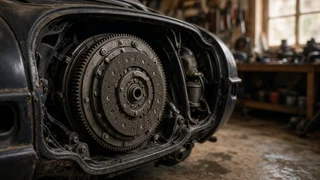
The direct answer is that this symptom most often indicates a problem at the front of the transmission rather than a failed gear set. When the clutch is released, the input shaft and its supporting bearing rotate with the engine. Depressing the clutch separates the disc from the flywheel and removes that drive, so a noise that disappears at that moment typically involves the input shaft bearing, release bearing, or pilot bearing. The exact source depends on whether the sound occurs in neutral, under load, or changes with clutch pedal travel.
A worn input shaft bearing commonly produces a rumbling or whirring sound that fades after the clutch is pressed because the shaft stops spinning. A release bearing often makes a squealing or grinding noise when the pedal is applied, so it would behave in the opposite way. A dry pilot bearing can rattle with the pedal out and quiet down once the transmission input is no longer driven. Checking whether the noise appears while moving, at idle, or during shifts helps separate these possibilities. Diagnostic codes rarely appear for mechanical bearing noise, so a careful road test and inspection are more useful.