Low Engine Oil Light but Oil Is Full: What It Means and What to Do
The short answer
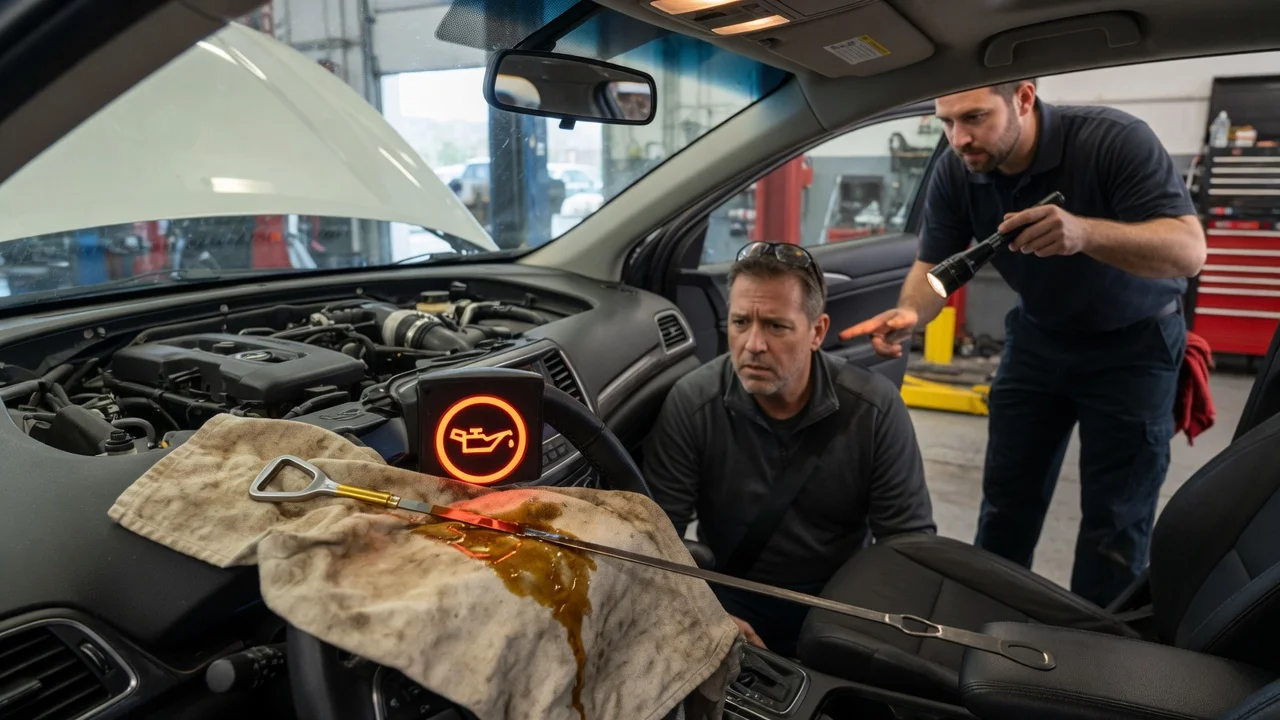
An oil warning light with a full dipstick usually points to one of two things. Either the warning system is reporting a fault that isn't there, often because of a failing sensor or damaged wiring, or the engine has a real oil pressure problem even though there is enough oil in the pan. Oil level and oil pressure are separate measurements, so a full dipstick does not prove the engine is being lubricated properly. Until you know which case applies, treat the warning as genuine.
First, identify which warning you are seeing
Many vehicles use two different oil warnings, and the right next step depends on which one is lit. The exact symbols, colours and messages vary by manufacturer, model and model year, so the owner's manual is the definitive reference for your vehicle.
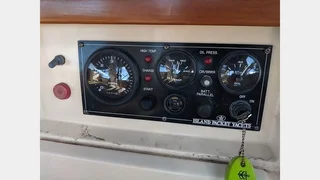
Oil pressure warning: on many vehicles this is a red oil-can symbol. It means the system has detected insufficient pressure while the engine is running. Most manufacturers treat it as a stop-driving warning. Oil level warning: some vehicles have a separate level sensor in the oil pan and show an amber symbol or a text message such as low oil level. This is usually less urgent than a pressure warning, but it still needs checking. Oil change or service reminder: some dashboards show an oil-related maintenance message that has nothing to do with the current oil level or pressure.
Common causes when the oil level reads full
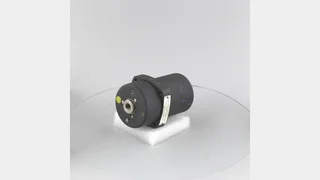
Faulty oil pressure switch or sensor: a common cause of false warnings. These parts can fail internally or start to leak. Wiring or connector faults: a damaged wire, corroded connector or short to ground can trigger the light even when pressure is normal. Faulty oil level sensor: on vehicles that have one, a failed level sensor can report low oil while the dipstick shows full. Genuinely low oil pressure: possible causes include a worn or failing oil pump, a blocked oil pickup screen, a clogged or incorrect oil filter, or worn engine bearings that let pressure bleed off. Wrong oil viscosity: oil that is thinner than specified can lower pressure, especially when the engine is hot and idling. Overfilling or aerated oil: too much oil can be churned into foam by moving engine parts, and foam does not hold pressure well. Misleading dipstick reading: checking right after the engine has been running, on a slope, or with the wrong dipstick can make the level look correct when it isn't. Diluted or degraded oil: fuel or coolant contamination, or long-overdue oil, can change how the oil behaves and how the sensor reads it.
What to do next
If a red oil pressure warning comes on while driving, pull over safely and switch off the engine as soon as you can. Running an engine without adequate oil pressure can cause severe internal damage quickly. Recheck the level on flat ground after the engine has been off long enough for oil to drain back to the pan. Your owner's manual gives the recommended wait time and procedure. Look at the oil's condition on the dipstick. Milky, very thin or fuel-smelling oil points to a problem beyond a sensor. Confirm that the oil grade and fill quantity match the manufacturer's specification for your engine. Listen for unusual engine noise, such as ticking or knocking, which suggests a real lubrication problem rather than a sensor fault. Have the oil pressure measured with a mechanical gauge. This is the most reliable way to tell a sensor fault from real low pressure, because it bypasses the vehicle's warning circuit. If the vehicle has an onboard diagnostics system, read any stored fault codes. Some vehicles log sensor or circuit faults that point straight to the cause.
Is it safe to keep driving?
You can't know whether it is safe until the cause is confirmed. A failed sensor is relatively cheap to fix and harmless to the engine, but real low oil pressure can lead to costly engine damage. Since you can't tell the two apart from the driver's seat, the cautious approach is not to drive with a pressure warning lit until it has been checked. An amber oil level warning on vehicles that use one is generally less urgent, but how your vehicle behaves depends on its specific system.
Limits of this guide
This is a general explanation that applies across many vehicles. It does not cover warning-light designs, normal pressure ranges, sensor locations or known faults for any specific make, model, engine or model year. For those details, check the owner's manual, the manufacturer's service information, or a qualified technician who can test the vehicle directly.