Lost Car Key Replacement in Philadelphia: What to Check Before You Pay
If you have lost your car keys in Philadelphia, you can usually get a working replacement from a franchised dealer, a mobile automotive locksmith, or in some cases through a roadside assistance plan that arranges a tow or lockout service. Which route makes sense depends mainly on two things: what kind of key your vehicle uses, and whether you still have at least one working key. A plain metal key for an older vehicle is a simple job. A transponder key, remote fob or push-button smart key needs electronic programming, and losing every key you own can turn a quick visit into a longer process involving towing, extra paperwork and more time. Before calling anyone, find your proof of ownership and identify your key type. Those two details shape every quote and every timeline you will hear.
First Steps After Losing Your Car Keys
Retrace your steps and check with places you visited recently, since keys are often turned in to businesses or transit lost-and-found desks. Locate your title or current registration and a government-issued photo ID; most key providers will ask for both before cutting or programming a key. Find your vehicle identification number (VIN). It appears on the registration, insurance card, and usually on the dashboard visible through the lower windshield on the driver's side. Check whether you have a spare key at home or with a family member. Having one working key usually makes replacement simpler. Review your roadside assistance coverage, auto insurance policy, extended warranty or credit card benefits for key replacement or lockout help. If you believe the keys were stolen along with items showing your address, treat it as a security issue and plan to have the lost key erased from the vehicle's memory.
Identify Which Type of Key You Need
The type of key your vehicle uses is set by the manufacturer and can vary by model year, trim and market, even within the same model name. Your owner's manual, the dealer's parts department or a locksmith using your VIN can confirm what your specific vehicle needs.
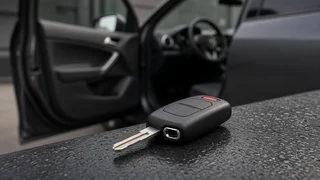
Key type | What it is | What replacement involves; Mechanical key | A cut metal blade with no electronics | Cutting a new blade by code or by decoding a lock; usually the simplest option; Transponder key | A metal blade with a small chip read by the vehicle's immobilizer | Cutting the blade plus programming the chip so the engine will start; Remote head key or separate remote transmitter | A key and buttons for locking and unlocking, combined or separate | Cutting, chip programming, and pairing the remote functions; Smart key or proximity fob | A fob that allows keyless entry and push-button start | Programming the fob to the vehicle; often includes an emergency blade that must also be cut
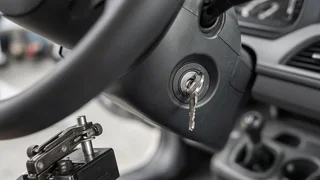
An immobilizer is an anti-theft system that prevents the engine from running unless it recognizes an authorized key. This is why a copied blade alone often unlocks the door but will not start a modern car. Key programming is the process of registering a new key's electronic identity with the vehicle so the immobilizer accepts it.
Dealer, Locksmith or Roadside Assistance: Choosing the Right Option
Franchised dealer
A dealer for your vehicle's brand has access to manufacturer key codes and factory programming equipment, which matters most for newer or less common vehicles. The trade-off is convenience: if you have no working key, the car generally has to be brought to the dealer, which may mean arranging a tow. Some dealers need to order the key, so ask about lead time before committing.
Mobile automotive locksmith
An automotive locksmith can often cut and program keys on site, which is useful in a city where vehicles are frequently parked on the street or in shared garages and towing adds cost and hassle. Capability varies widely between businesses, and not every locksmith can program every make, especially recent models with newer security systems. Confirm that they can handle your exact vehicle before they arrive.
Roadside assistance
Roadside assistance plans, whether through an auto club, insurer or the vehicle manufacturer, typically help with lockouts and towing rather than producing a new key themselves. They can be valuable when you have lost all keys and need the car moved to a dealer or shop. Check your plan's terms for towing distance limits and whether key services are covered or only partially reimbursed.
Proof of Ownership Requirements
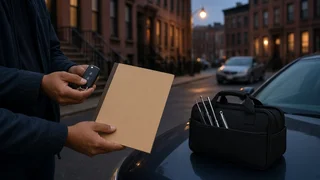
Reputable dealers and locksmiths will not make a key for a vehicle without evidence that you are entitled to it. Expect to show a photo ID along with a title or registration in your name, and the name and address details should match. If the vehicle is registered to someone else, such as a spouse, parent or business, ask in advance what documentation the provider accepts; some require the registered owner to be present or provide written authorization.
If your registration or title was inside the car or lost along with the keys, sort that out early. Requirements for replacing Pennsylvania vehicle documents are set by the state, and having valid paperwork in hand avoids a stalled appointment. A provider who is willing to make a key without asking for any proof of ownership is a warning sign, not a convenience.
What to Ask Before You Book
Can you make and program a key for my exact year, make, model and trim, and do you need my VIN to confirm? Is the quoted price the total, including the key or fob, cutting, programming, and any service call or after-hours charge? Will you erase the lost key from the vehicle's memory so it can no longer start the car? Is the replacement an original-equipment part or an aftermarket key, and does it support all the functions of my original, such as remote start or trunk release? What warranty applies to the key and the programming work? What proof of ownership do you require, and does the name need to match the registration exactly? If I have no working key, can you do the job on site, or will the vehicle need to be towed?
Get the quote in writing or by text before work begins. Vague pricing such as a low starting figure with costs to be determined on arrival is a common source of disputes, so press for a clear total.
Security After a Lost Key
For vehicles with transponder or smart keys, ask the provider to remove the lost key from the immobilizer's list of authorized keys during programming. Once erased, the missing key may still unlock doors mechanically on some vehicles, but it should no longer start the engine. For older vehicles with only a mechanical key, the lost key will keep working in the locks and ignition unless the lock cylinders are rekeyed or replaced, which is worth considering if the keys may have been stolen rather than misplaced.
Ordering a Key Online
Blank keys and fobs are widely sold online and can appear cheaper, but they still need to be cut and programmed by someone with the right equipment. Many dealers and locksmiths will not program customer-supplied keys or will not guarantee them, and a fob with the wrong frequency or chip type will not work regardless of how it looks. If you consider this route, confirm compatibility with your VIN and check with the person doing the programming before you buy.
Plan for Next Time
Once you have a working key again, consider having a second one made while the vehicle is already being programmed. Duplicating from an existing key is usually simpler than starting from zero, and keeping a spare in a secure place at home is the most reliable way to avoid repeating this process.