Lost Smart Car Key: How Replacement Works and What to Do Next
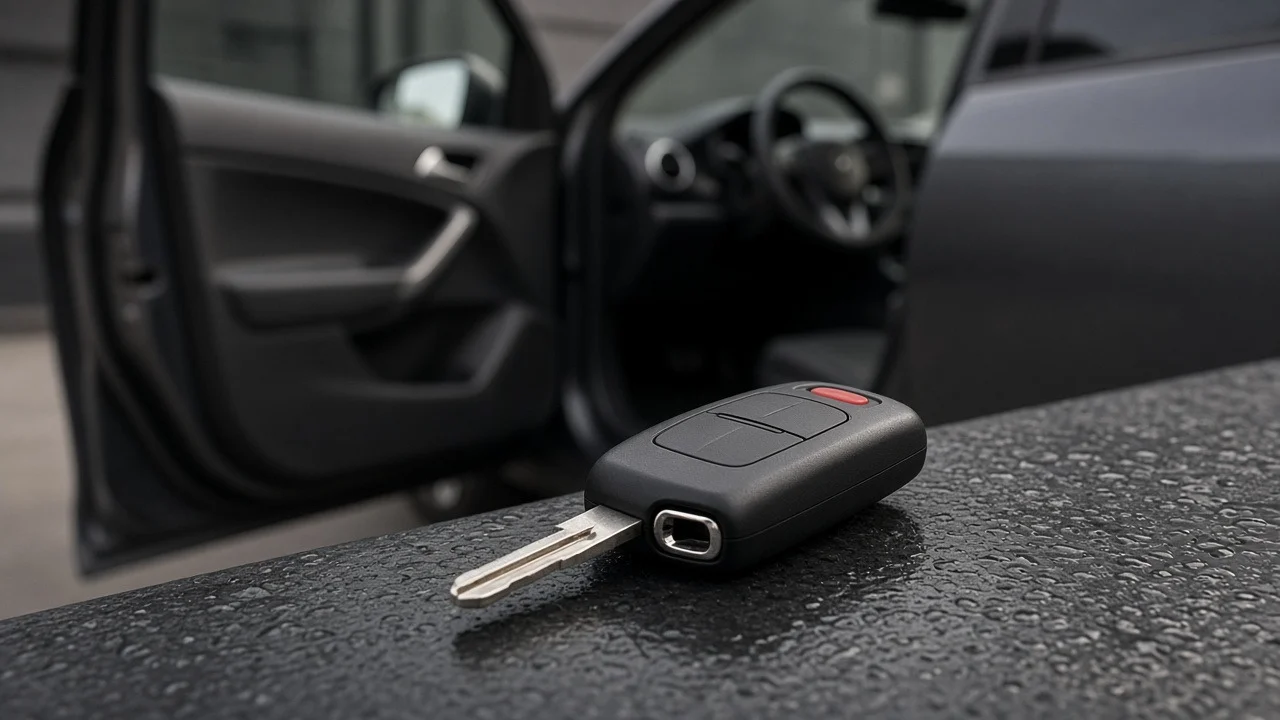
Losing a smart car key is more involved than losing a traditional metal key. You usually cannot cut a copy at a hardware store. A replacement has to be obtained for your specific vehicle and electronically programmed to it, and you will need to show that you own the car. Exactly how this works depends on the make, model year and key system, so treat the steps below as a general guide and confirm the details for your own vehicle.
The Short Answer
If you have lost a smart key, the usual path is to get a replacement fob from a franchised dealer or a qualified automotive locksmith, prove ownership of the vehicle, and have the new key programmed to the car's immobilizer. If you still have a working spare, the process is typically simpler, and you may have more options. If every key is lost, some vehicles need extra steps, and the car may have to be towed to wherever the programming will be done. In either case, ask for the lost key to be removed from the vehicle's memory so it can no longer start the car.
What a Smart Key Actually Contains
A smart key, often called a proximity key or keyless entry fob, combines several functions in one housing. Knowing what is inside helps explain why replacement takes more than cutting a blade.
Remote transmitter: sends radio signals to lock and unlock the doors, open the trunk and, on some vehicles, trigger remote start or the panic alarm. Proximity function: lets the car detect the fob nearby, so you can unlock doors by touching a handle and start the engine with a push button while the key stays in your pocket or bag. Immobilizer transponder: an electronic identifier the car must recognize before the engine will run. A key that is not registered to the vehicle will not start it, even if it looks identical. Mechanical key: many smart fobs hide a small metal emergency blade for opening a door when the fob battery is dead. On some vehicles this blade must be cut to match your locks.
Because the immobilizer checks for a registered key, a replacement fob is useless until it has been paired with your car through key programming. This anti-theft design is the main reason a lost smart key costs more time and money than a lost conventional key.
First Steps After Losing the Key
Search thoroughly and retrace your steps, including checking with places you recently visited. A found key avoids the replacement process entirely. Check whether you have a spare at home or with another household member. A working spare makes adding a new key easier on many vehicles. If you think the key was stolen, or it may be linked to your address or vehicle, consider reporting it to police. A report can also help with an insurance claim. Gather your vehicle details: the vehicle identification number (VIN), make, model, model year and trim. The VIN appears on your registration, insurance card and title, and usually on the dashboard near the windshield on the driver's side. Locate your proof of ownership documents before you contact anyone about a replacement. If you are stranded, contact your roadside assistance provider to ask what help is available, such as towing or arranging a locksmith.
Proof of Ownership
Reputable dealers and locksmiths will not make or program a key without confirming that you are entitled to the vehicle. This protects owners, because a programmed key can start the car. Requirements vary by business and state, but you should generally expect to provide:
A government-issued photo ID; The vehicle title or current registration in your name; The VIN, so the correct key and security data can be retrieved
If the car is leased or financed and the lender holds the title, your registration and ID are often accepted, but ask in advance. If the vehicle is registered to someone else, such as a spouse or a business, the provider may need that person present or written authorization. Calling ahead to confirm exactly what is required can save a wasted trip.
Where to Get a Replacement
There are three common routes, and the right one depends on your vehicle, your location, and whether you can drive the car to a shop.
Option | Typical strengths | Things to consider; Franchised dealer | Access to manufacturer key data and genuine fobs; can handle most models, including newer or less common systems | Usually requires the car to be on site; may need to order the key; often the more expensive route; Automotive locksmith | Often mobile, so they can come to the car; may be faster and less expensive | Not every locksmith can program every make or model year; confirm capability for your exact vehicle before booking; Roadside assistance | Can help when you are stranded, often by towing or arranging lockout help | Usually does not supply or program a new smart key itself; coverage terms vary by plan
When comparing quotes, ask whether the price includes the fob itself, cutting the emergency blade, programming, and any service-call or diagnostic fees. Also ask whether the key is an original-equipment part or an aftermarket unit. Some aftermarket fobs work well, but compatibility and durability can vary, and some vehicles accept only specific key types.
How Key Programming Works
Key programming registers the new fob's transponder and remote with the car's security system. Methods differ widely between manufacturers and model years:
Some older systems allow owners to add a remote, or even a key, using an onboard procedure, but this often requires at least one or two existing working keys. Most modern smart key systems require dedicated diagnostic equipment connected to the vehicle, and sometimes security codes or online access tied to the VIN. Some manufacturers restrict programming to dealers, or require a dealer to supply security data even when a locksmith does the work.
Be cautious about buying a used or unbranded fob online and expecting it to be programmed. Many smart keys can only be registered to one vehicle, so a previously used fob may not be reusable. If you buy a key yourself, confirm with your programmer beforehand that they will accept and can program it.
When All Keys Are Lost
Losing your only key is the harder scenario. Without a working key, the car cannot be started or driven to a shop, and on some vehicles the programming process itself is more complex when no existing key is available. Expect one of these outcomes:
A mobile locksmith who supports your vehicle comes to the car and programs a new key on site. The car is towed to a dealer or shop, where a new key is ordered by VIN and programmed. The key must be ordered first, which can take time if it is not in stock, leaving the car parked until it arrives.
Once you have a working key again, consider having a second one made at the same time. Adding a spare while a working key is present is generally simpler than starting over from nothing.
Erasing the Lost Key From the Car
If your key may have been stolen, or could be found by someone who knows which car it belongs to, ask the dealer or locksmith to delete it from the vehicle's memory during programming. On many systems, the existing keys are cleared and only the keys present are re-registered, so bring every key you still have. After the lost key is removed, it should no longer be able to unlock the car through the remote or start the engine. Note that the mechanical blade could still open a door lock, so if theft is a concern, ask whether lock work is advisable for your vehicle.
Insurance, Warranties and Assistance Plans
Some auto insurance policies, extended warranties, credit card benefits or roadside assistance plans include key replacement or lockout coverage, sometimes as an optional add-on. Coverage, limits and deductibles differ widely, so review your policy documents or call your provider before paying out of pocket. A police report may be requested if you are claiming a stolen key.
Avoiding the Problem Next Time
Keep at least one programmed spare in a secure place at home, not inside the vehicle. Store the VIN, registration details and key information somewhere you can reach if your keys and wallet go missing together. Consider a small tracking tag attached to your key ring. Replace the fob battery when the car warns of low key battery or range seems reduced, so a weak battery is not mistaken for a lost or faulty key. Learn where the emergency mechanical key is and how to use it, along with your vehicle's backup method for starting with a weak fob, which is described in the owner's manual.
Bottom Line
A lost smart car key is fixable, but it requires a matching fob, programming to the immobilizer, and proof of ownership. Start by checking for a spare and gathering your VIN and documents, then compare a dealer with a locksmith who can confirm support for your exact vehicle, and use roadside assistance if you are stranded. Whichever route you choose, have the lost key erased from the car and take the opportunity to set up a spare.