Lost Car File in Pakistan: What It Means and How to Recover It
The short answer
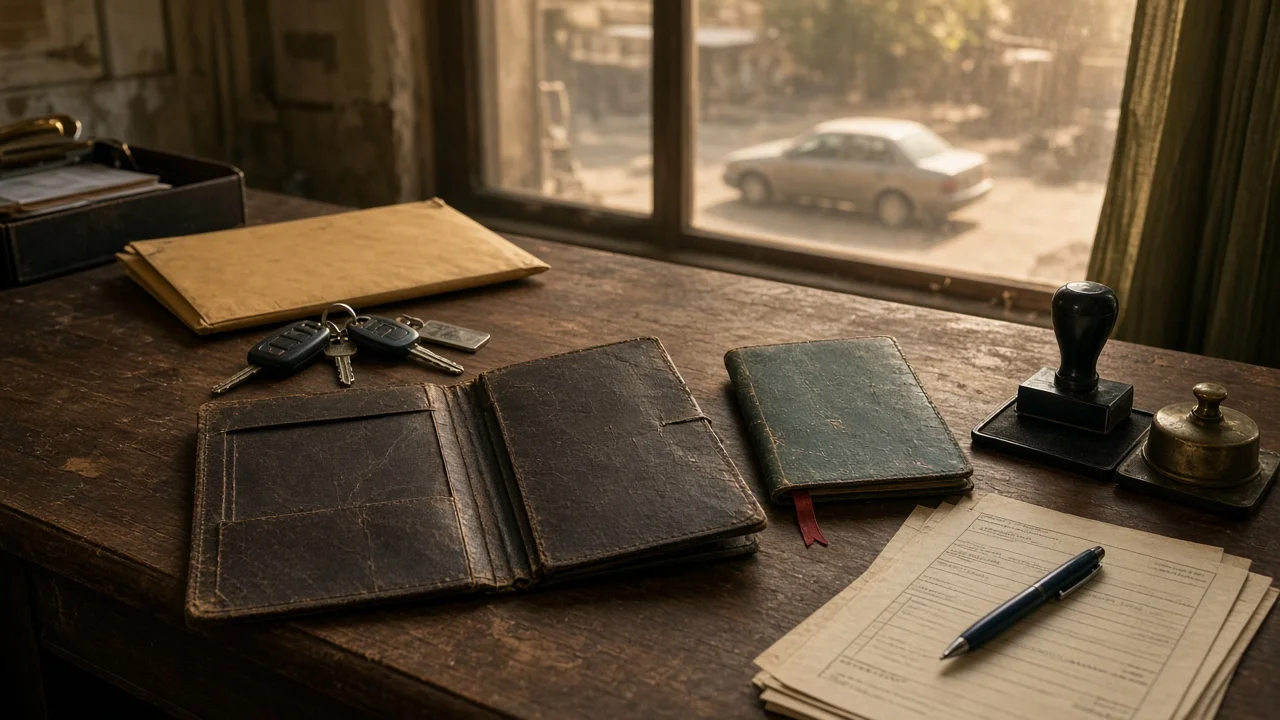
In Pakistan, a car's "file" is the bundle of ownership papers that proves who owns the vehicle and how it changed hands. If it is lost, the registered owner can usually get duplicate documents from the provincial Excise and Taxation Department. The usual first steps are a police loss report and a formal application. A car with a missing or duplicate file can still be legally owned and sold. However, buyers on marketplaces such as PakWheels generally treat it as higher risk, because the original papers are missing.
The biggest factor is which province or territory registered the vehicle. Punjab, Sindh, Khyber Pakhtunkhwa, Balochistan and Islamabad each run their own excise registration systems. Required documents, fees, timelines and whether you must appear in person all depend on that authority. No province-specific fees, processing times, forms or contact details were available for this article, so check them directly with the relevant excise office before you start.
What the car file usually contains
Contents vary with the car's age, whether it was locally assembled or imported, and how many owners it has had. A typical file may include:
The registration book, or a registration smart card in provinces that have adopted cards; The original sale certificate or invoice from the dealer or manufacturer; Transfer letters signed by previous owners; Copies of previous owners' national identity cards (CNICs); Records of token tax payments; For imported vehicles, customs and import documentation
Buyers in Pakistan often value the complete original chain of documents, not just the current registration. That is why a "file missing" note in a listing tends to affect buyer interest even when the current registration is valid.
Steps owners typically take after losing the file
The general sequence below reflects common practice. The exact order and paperwork may differ by province.
Report the loss to the police and get a written record, such as a lost-document report or an FIR (First Information Report), as the local authority requires. Check with the provincial Excise and Taxation office which documents they need for a duplicate. Common requirements are the police report, a copy of the owner's CNIC, and an affidavit about the loss. Ask whether a public notice of the loss, such as a newspaper advertisement, is required in your jurisdiction. Submit the application and any required fees, and complete any biometric or in-person verification. Collect the duplicate registration document and keep certified copies of every record you submitted.
Excise authorities can generally issue duplicates of their own records, such as the registration book or card. Original private documents, such as old transfer letters or a dealer invoice, may not be recoverable in the same way. If those papers matter to a future buyer, the original dealer or previous owners may be the only source for replacements.
How a lost file differs from a duplicate file
Sellers use these terms differently, so ask exactly what each one means in a given listing:
File missing or lost: the original papers are gone, and replacements may or may not have been issued yet. Duplicate file or duplicate registration: the excise department has issued replacement registration documents, so the official record has been restored. Incomplete file: some original papers survive, but parts of the ownership chain are missing.
A car with officially issued duplicate registration is generally easier to transfer than one whose papers are simply missing. Even so, many buyers still apply a price discount.
What buyers should check
If a used-car listing says the file is missing or duplicate, these checks reduce the risk of buying a car with unclear ownership:
Use the provincial excise department's official vehicle verification service to confirm the registration number and registered owner. Match the chassis and engine numbers on the car with those on the registration record. Confirm that the seller is the registered owner, or has valid authority to sell, and check their CNIC against the record. Ask for the police loss report and the duplicate issuance documents, if any. Check that token tax is current and ask whether any dues or legal restrictions are recorded against the vehicle. If the car was bank-financed, confirm that the lender has formally cleared it.
Information gaps
This article could not confirm current fees, processing times, document checklists, office locations or online portal details for any province. It also contains no measured data on how much a missing file lowers resale value. Treat the steps above as a general outline, and rely on the relevant Excise and Taxation Department for binding requirements.