Lincoln Town Car Transmission Fluid
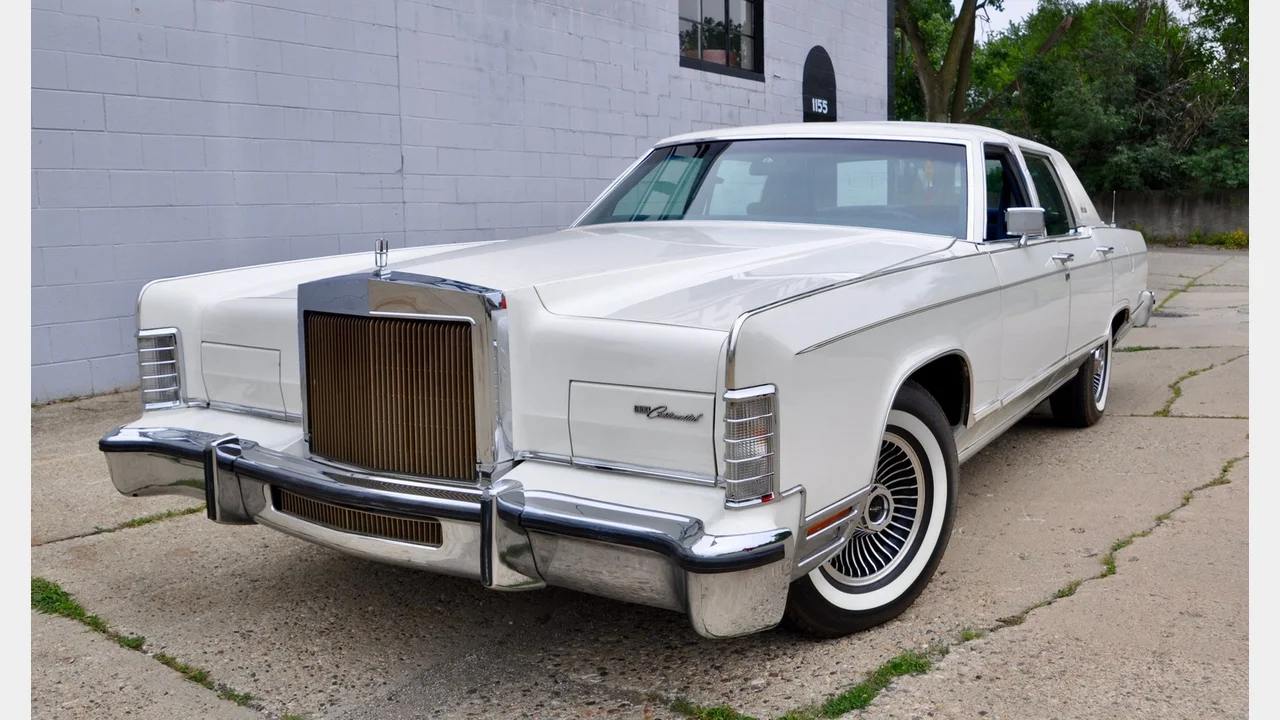
Choosing the right transmission fluid for a Lincoln Town Car involves more than grabbing the first bottle on the shelf. The fluid works with the torque converter, valve body, clutches, and cooler to manage heat, friction, and hydraulic pressure. Owners often ask about the correct type, capacity, or change interval for a specific model year, but the useful answer starts with the transmission installed in the car. Because different years used different automatic transmissions, fluid needs and service expectations changed over the Panther-platform production run. Understanding that basic fitment question helps explain normal shift behavior, fluid color, and the practical choices a Town Car owner may face.
Essential answer
The essential answer is that a Lincoln Town Car requires the automatic transmission fluid specified for its factory transmission and model year, and the correct service depends more on that transmission than on the Town Car name itself. Many of these vehicles used a rear-wheel-drive V8 layout with an electronically controlled automatic transmission, while earlier and later examples can differ in fill location, dipstick access, and fluid requirements. Owners researching transmission fluid for a 2001 Lincoln Town Car or a 1999 model should first identify the transmission and year because using the wrong specification can affect shift quality, torque converter lockup, and long-term wear.
For the most common Town Car applications, the practical answer is to choose an approved automatic transmission fluid that carries the appropriate Ford specification or meets the stated replacement requirement for that transmission. The correct fluid supports consistent shift behavior, helps control operating temperature, and works with the friction materials in the clutches and bands. Capacity is often discussed as a single number, but the amount needed depends on whether the pan is dropped, the converter drains, or a complete exchange is performed. A fluid change may replace only part of the total fill, while a full service can require more fluid.