Lexus TPMS: Reset Procedures, Warning Lights, and Sensor Replacement
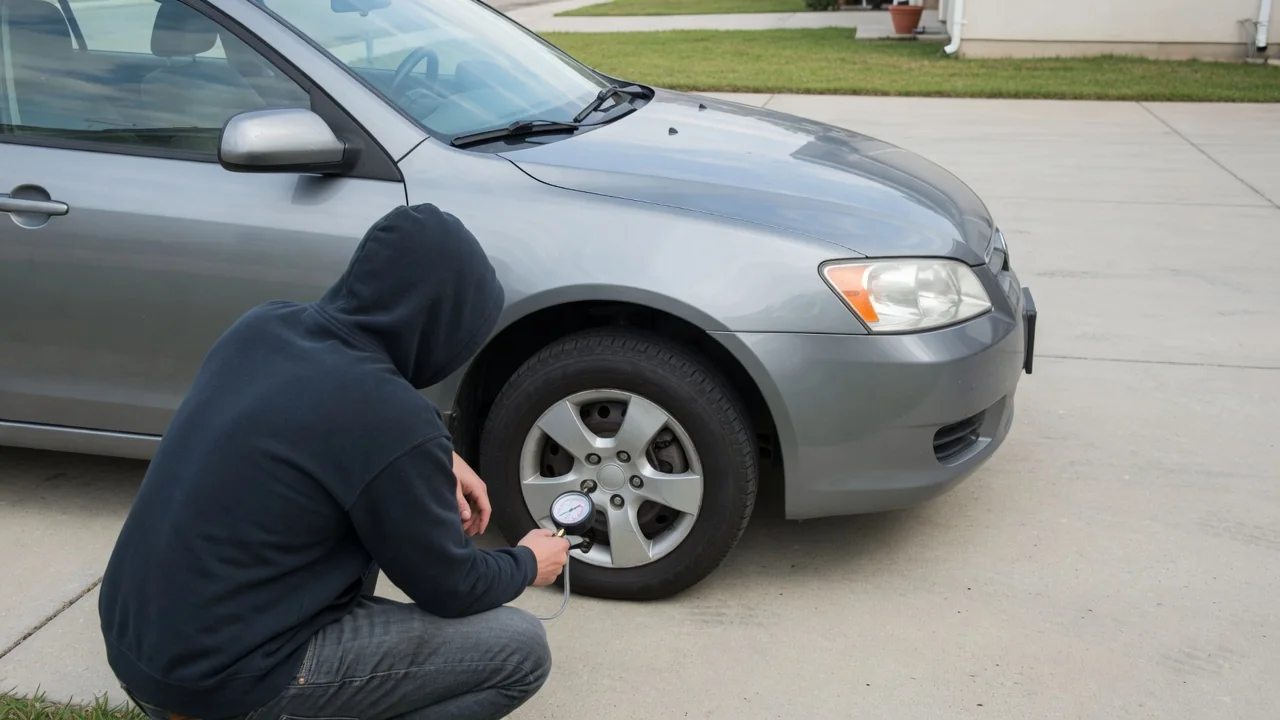
A Lexus tire pressure monitor is a driver alert for underinflation, not a substitute for a gauge. The tire pressure monitoring system Lexus vehicles use watches wheel sensors and lights a TPMS warning when pressure or communication looks wrong. Displays, which wheels are watched, and reset steps differ by model, year, and market, so the owner's manual and tire pressure placard come first.
How the Tire Pressure Monitor Works on Your Lexus
The Lexus tire pressure monitoring system exists to warn you when a wheel's reported pressure looks low or the monitor cannot talk to a sensor. It does not replace a handheld pressure gauge, and it does not tell you whether a tire is damaged, leaking, or simply cold. A Lexus TPMS uses a tire pressure sensor in each monitored wheel to send pressure data; some displays show individual readings while others only light a warning. Treat the system as a backup to regular cold checks, not as proof that inflation is correct.
Controls, instrument-cluster messages, which wheels are monitored, and initialization steps are not the same across the Lexus lineup. Model, model year, and market can change how a Lexus tire pressure sensor reports, how a TPMS warning light behaves, and whether a reset menu even exists. Before you interpret a warning or attempt system initialization, find the owner's manual that matches the vehicle and read the tire information. The tire pressure placard, usually on a door jamb or fuel-filler door, lists the cold inflation the vehicle is supposed to use.
What a Steady, Flashing, or Missing Pressure Display Can Mean
A steady TPMS warning light on a Lexus often means the system has detected low pressure, while a flashing-then-steady sequence commonly indicates a malfunction rather than a simple underinflation event. The exact meaning still belongs to that vehicle's owner's manual, because Lexus TPMS indication patterns are not identical on every model year. If the cluster can show per-wheel pressures, a blank or missing reading is another clue that communication or display data is incomplete. Do not treat the light pattern as proof that a particular Lexus TPMS sensor has failed.
Temperature swings change cold tire pressure because air contracts overnight and expands as the tire warms, so a warning after a cold snap can follow a real drop without a puncture. Repeated loss after you restore placard pressure still needs inspection for leaks or rim damage. Missing readings or a warning that returns after a Lexus tire pressure reset can require professional diagnosis; the dashboard does not identify which sensors or module is at fault. If a warning arrives with visible tire damage, unusual handling, or rapid pressure loss, stop safely rather than continue on a compromised tire.
Check and Correct Tire Pressure Before Resetting
Correct inflation first. When the tires have not been driven recently, use a reliable pressure gauge and compare each wheel with the tire pressure placard or the matching owner's manual. Front and rear targets on a Lexus can differ, and the number molded on the tire sidewall is a maximum for the tire, not the vehicle's recommended cold tire pressure. Checking when the tires are hot will read higher than the cold specification and can lead you to bleed air that the vehicle still needs once it cools.
Walk around and look for cuts, bulges, objects in the tread, and wet spots at the valve or bead before you consider a reset of the Lexus TPMS. Recurring pressure loss after you set the placard values points to a leak that a reset cannot repair. Initialization with the wrong pressures gives the tire pressure monitoring system on a Lexus a false baseline, so the TPMS warning light may stay off when a tire is actually low. Set the tires correctly first; only then does a reset have a chance of matching intended warning behavior.
Find the Correct Lexus TPMS Reset and Initialization Procedure
On many Lexus models, system initialization tells the tire pressure monitor that current sensor readings are the new reference after you have set cold pressures. Whether a Lexus TPMS reset is required after correcting inflation depends on that vehicle's documented logic; some systems relearn as you drive, while others expect a deliberate initialize command. Confirm the exact model-year procedure in the owner's manual before you look for a reset button, a display menu, a particular ignition state, or a completion message. There is no single button-hold sequence that covers every Lexus.
Organize any reset of a Lexus tire pressure sensor around verified prerequisites: correct cold pressures, no obvious tire damage, and the ignition and menu path the manual names. Use only the documented initialization control, then watch for the manual's completion checks rather than assuming the light must go out immediately. Initialization does not automatically perform sensor ID registration for a replacement Lexus TPMS sensor, and it will not clear a true system malfunction. If initialization fails or the warning returns, record the pressures you set, how the light behaved, any missing readings, and recent wheel work, then seek professional testing.
When Lexus Tire Pressure Sensors Need Testing
Each Lexus tire pressure sensor reports pressure from its wheel so the monitor can compare that data with expected values. A sensor battery eventually depletes, and impact, corrosion, or a damaged valve stem can interrupt communication even when the tire still holds air. Those possibilities require confirmation; a warning or a blank reading is evidence to interpret, not proof that a specific part has failed. Manufacturer-dependent diagnostic codes, when a scan tool retrieves them, also need vehicle-specific confirmation rather than guesswork replacement.
Share useful observations with a technician: when the TPMS warning light first appeared, whether it flashed then stayed on, which wheel readings were unavailable, and any recent tire service, rotation, or seasonal wheel changes. A shop can activate Lexus TPMS sensors, verify IDs against what the vehicle has stored, and run vehicle diagnostic checks that the cluster cannot perform. Dashboard behavior still does not prove sensor failure by itself. Repeating a reset of a Lexus tire pressure sensor is unlikely to revive an unresponsive or unregistered sensor, because initialization does not create a missing ID or restore a dead battery.
Sensor Replacement, Registration, and Final Checks
Sensor compatibility must be confirmed for the exact vehicle, year, and wheel application; Lexus tire pressure sensors are not interchangeable across the lineup by default, including aftermarket or winter wheels. Sensor installation uses tire-service equipment to dismount the tire, seat the sensor, and balance the assembly, so a qualified tire shop or technician should handle the work. A valve-core swap is not a substitute for that process, and incorrect mounting can leak or damage the new Lexus TPMS sensor.
After new sensors are fitted, sensor ID registration and any required initialization follow the applicable Lexus procedure, which also applies when you swap to seasonal wheel changes with a second set of sensors. A quote typically covers sensor supply, mounting, registration, and diagnostic labor; those line items vary by shop and vehicle, so treat them as separate costs rather than a single assumed price. After service, set cold tire pressure to the placard, confirm there are no leaks, complete the prescribed verification process, and watch that warning and display behavior return to normal before you treat the job as finished.