Legends Race Car Differential
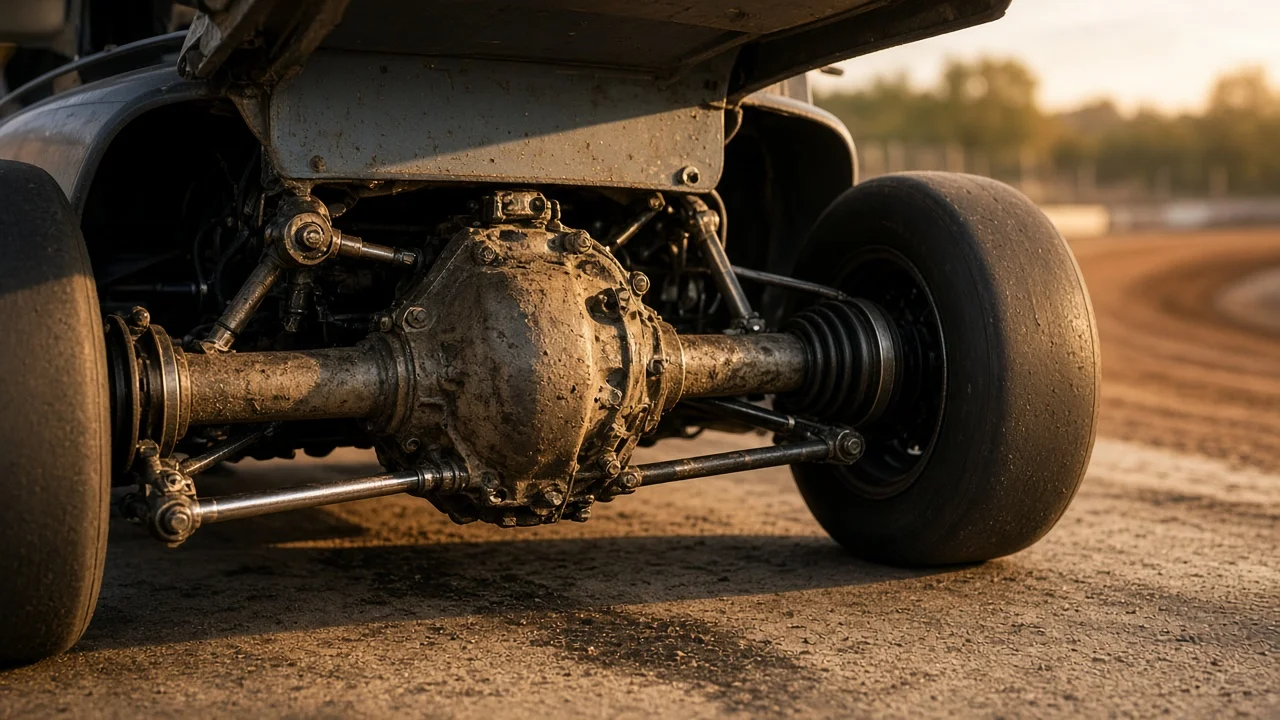
Shopping for a Legends race car differential means evaluating how the rear axle unit transfers torque under the unique loads of a lightweight, high-grip tube-frame car. A suitable diff changes corner entry rotation, throttle application, and tire wear more than a modest gear swap. Since Legends cars are raced rather than street driven, shift behavior and service history inform whether a unit is usable or needs attention. The right choice balances the chassis setup, driving style, and the rule package for your series before money changes hands.
The direct answer
The direct answer is that a Legends car generally uses a Toyota-based live axle with a spool, locked differential, or a limited-slip unit depending on the class rules and track. In many sealed or box-stock programs, the expected answer is a simple, durable torque path that eliminates the handling variables of an open diff, so the rear wheels stay locked under drive but release enough on corner entry for rotation. The exact type is less important than confirming fitment with your axle housing, flange pattern, and halfshaft details before purchase.
A locked or limited-slip differential changes how the car puts power down off the turn and how it behaves under trail braking. A spool is predictable and inexpensive to maintain, but it pushes the nose on entry and asks more from the front tires. A proper limited-slip or torque-biasing unit can settle the rear under braking and allow earlier throttle, although it may not be legal in every Legends division. Always verify the transmission type and differential case against the specific series rulebook and the measurements on your existing housing.