Legends Race Car Transfer Case
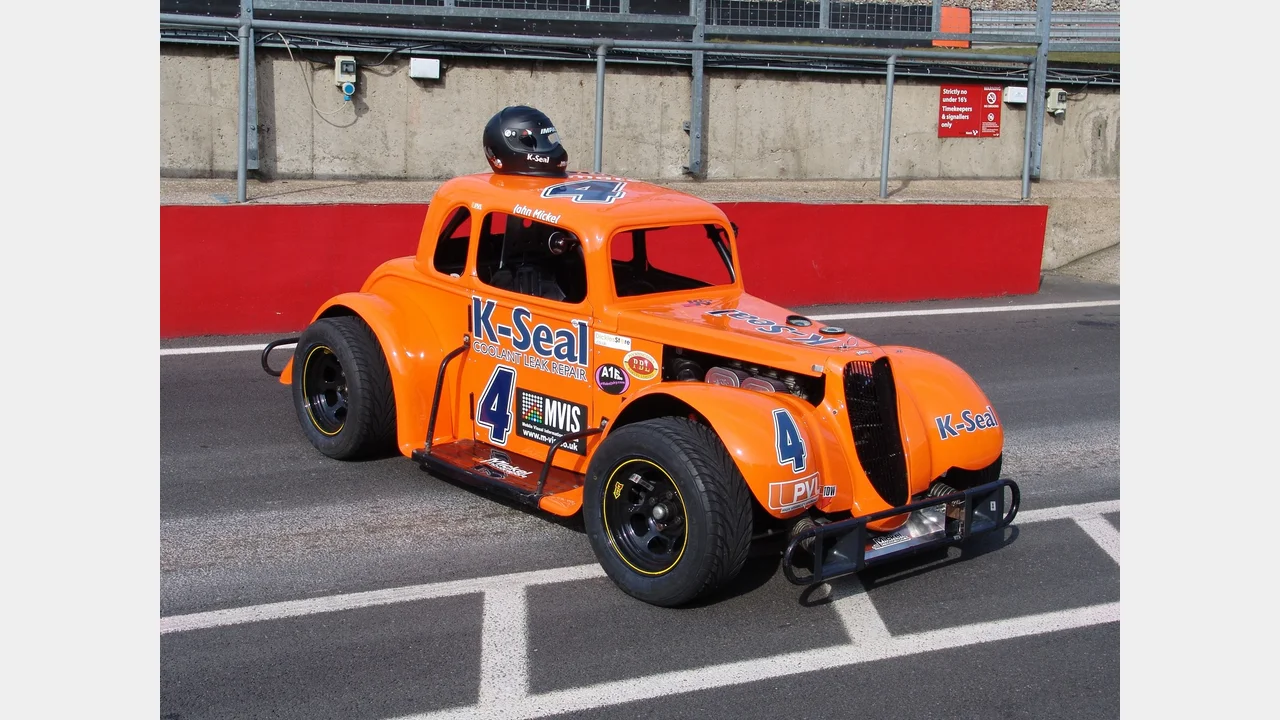
Choosing a transfer case for a Legends race car means understanding how this component directs torque in a purpose-built, lightweight chassis. A Legends car transfer case, often discussed as a Legends race car transfer case, must survive high-rpm launches and constant driveline stress. The right unit balances power flow, output shaft durability, and lubricant specification for competition use. This guide explains what to check before buying, how drive mode and shift actuator behavior affect operation, and why compatibility with your drive mechanism matters more than the part name alone.
The direct answer
The immediate answer is that you need a unit built or prepared for the specific driveline layout of your Legends chassis. A Legends car transfer case directs power flow from the transmission to the drive wheels, and in racing conditions the output shaft and internal bearings face repeated shock loads. Before purchasing, confirm that the case matches your car’s drive mechanism and mounting pattern. A visually similar unit from a street application may not have the correct internal clearances, fluid routing, or case reinforcement for sustained high-speed oval or road-course use.
The practical condition that changes the answer is the car’s current setup. If the chassis uses a torque tube, a divorced unit, or a specific flange orientation, a generic replacement may not bolt in without modification. The shift actuator and drive mode selection also affect fitment, especially if the car uses a fixed rear-drive configuration rather than a selectable all-wheel-drive system. For that reason, the safest purchase path is a unit verified against the exact Legends platform, not simply a part advertised with a similar name. Lubricant specification and venting should also be confirmed before installation.