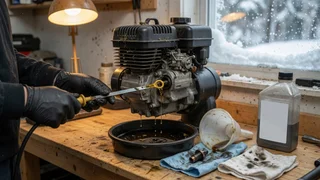
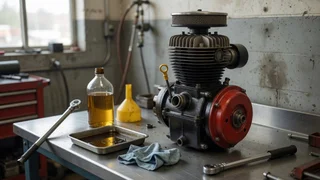
Find LCT 208cc Engine Oil Capacity
The short answer
No documented oil capacity for the LCT 208cc engine was available for this guide, so it does not state a confirmed figure. LCT (Liquid Combustion Technology) has built 208cc engines for several kinds of equipment, including snow blowers and horizontal-shaft applications. Capacity can differ between these versions, so the correct number is the one listed for your engine's model and specification numbers.
For rough orientation only, many single-cylinder overhead-valve engines of around 200cc are rated at roughly 0.6 liters (about 20 fluid ounces). This is a general reference point for the engine class, not a verified LCT specification. Use it only to judge whether a figure you find is plausible. Do not use it as a fill amount.
Whatever capacity you find, treat the dipstick as the final check. Engines rarely drain completely during an oil change, so the amount needed to refill can be less than the full rated capacity.
How to identify your exact engine
To find the right capacity and oil type, you first need the engine's own identifiers. The machine's brand and model are not enough on their own.
Engine model number: identifies the engine family, such as a 208cc snow engine or a horizontal-shaft version. Specification or type number: identifies the exact configuration fitted to a particular machine. Capacity and oil recommendations are tied to this number. Serial number: identifies the individual unit and its production period. Useful when contacting a dealer or parts supplier.
These numbers are usually on a decal or stamping on the engine itself, often on the shroud or near the cylinder. The exact location varies by configuration, so check the documentation for your engine if you cannot find the label. Labels on older or heavily used equipment can fade or peel, so clean the area gently before reading it.
Where to find the documented capacity
The engine owner's manual for your model and specification number, which normally lists crankcase capacity and approved oil grades. The operator's manual from the equipment manufacturer, such as the snow blower or log splitter maker, which often repeats the engine's oil specifications. An authorized service dealer or parts supplier, who can look up the capacity using your model and specification numbers.
Avoid mixing it up with similar engines
Many brands sell engines in the 196cc to 212cc range, and many of them look similar to the LCT 208cc. Capacity figures for these lookalike engines may not apply to yours. Also check that a manual or listing refers to the right LCT version. A figure for a snow engine may not match a horizontal-shaft engine of the same displacement, and the reverse is also true.
Filling without overfilling
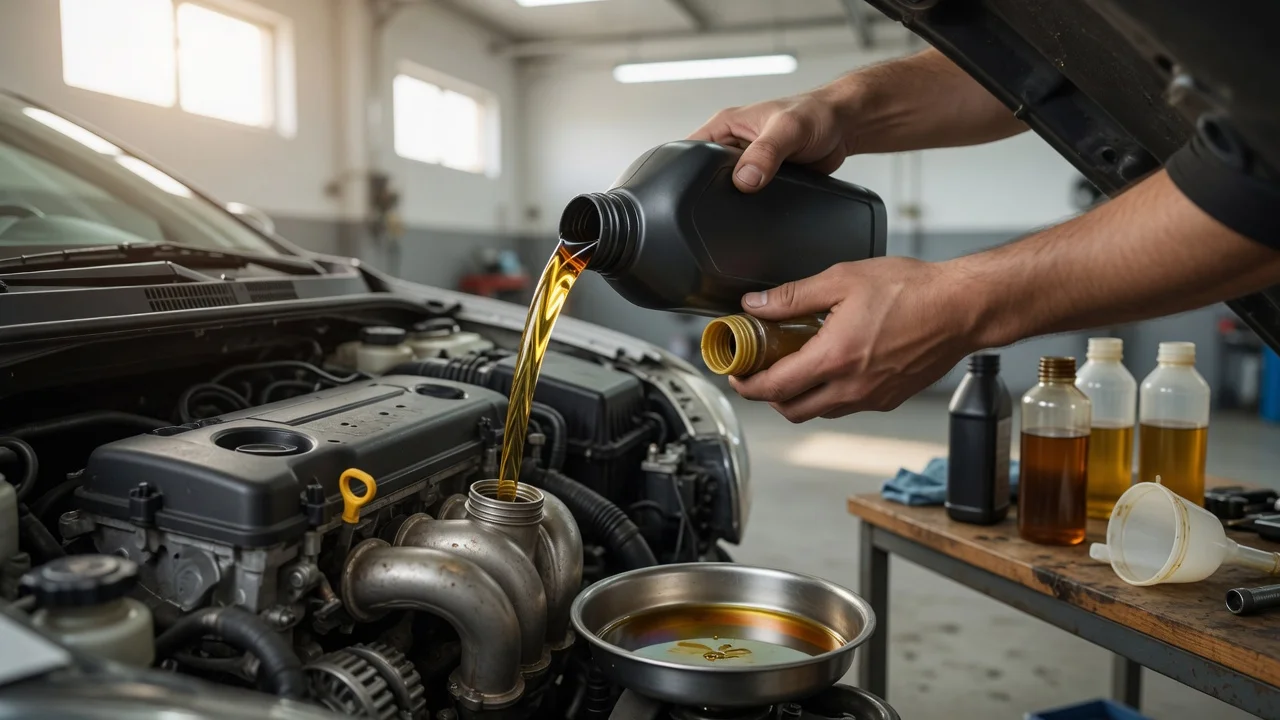
Put the machine on level ground. Add oil a little at a time and check the dipstick as you go, using the reading method in your manual. Some manuals have you thread the dipstick in, others have you rest it on the filler neck. Stop when the level reaches the full mark.
Overfilling can cause smoking, oil leaks or poor running. Underfilling risks engine damage. The recommended oil grade can also depend on the engine version and the temperatures you operate in, which matters especially for snow engines, so confirm the grade in the same documentation as the capacity.
What this guide could not confirm
The following were not available for this guide: a manufacturer-published oil capacity for any LCT 208cc variant, details of how capacity differs between versions, the recommended oil grades, and the exact label location on each configuration. Confirm each of these from documentation that matches your engine's model and specification numbers.