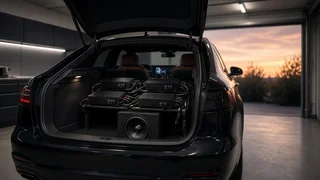
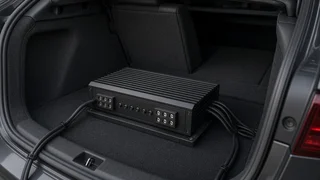
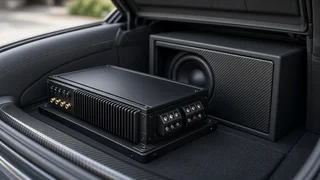
Lanzar Car Audio Amplifiers
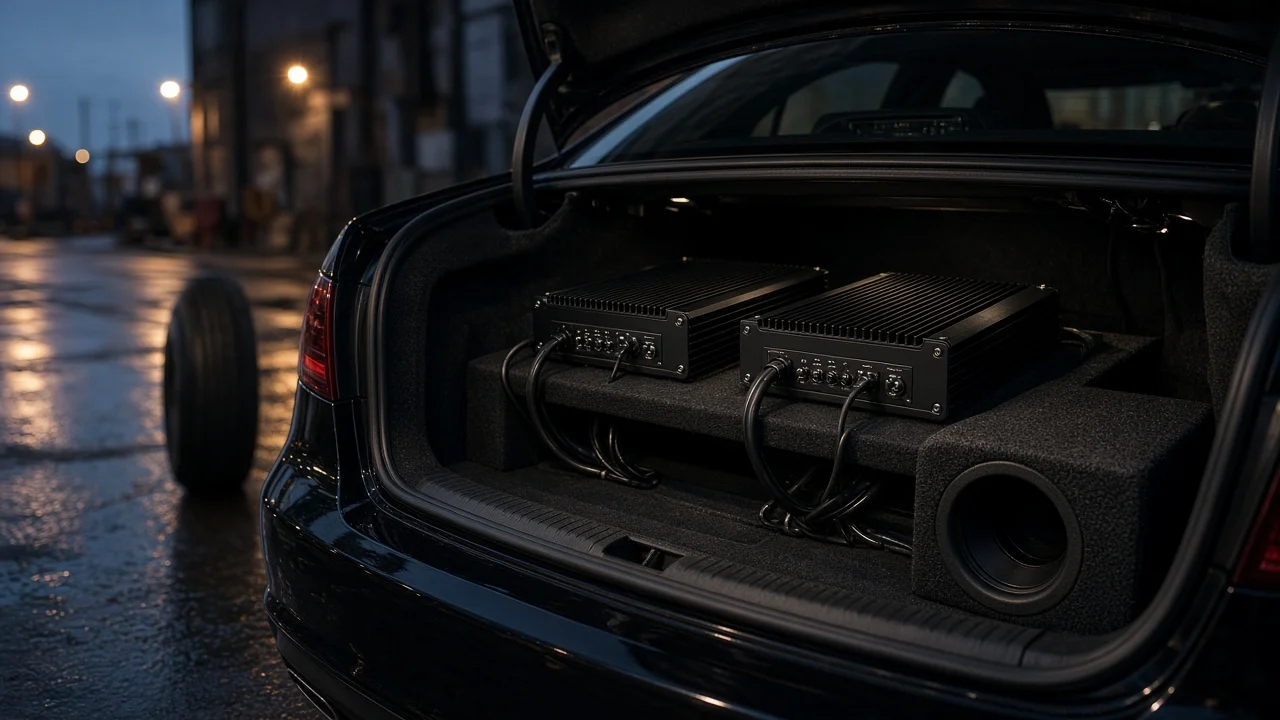
Choosing a Lanzar amplifier for car audio means matching the amp’s real output to your existing head unit, speakers, and wiring before you buy. A model that looks powerful on the box can behave very differently once installed, especially if the electrical supply or speaker impedance does not support it. This guide explains how to interpret ratings, plan vehicle integration, and avoid the common mistakes that turn an upgrade into distortion, overheating, or damaged components. The right decision depends less on peak claims and more on how the amplifier will operate in your specific vehicle.
The direct answer
For most shoppers, the direct answer is that the appropriate Lanzar amplifier is the one whose continuous RMS power at your speakers’ impedance closely matches their handling capacity, while staying within what the vehicle’s charging system can feed. Car audio amplifiers amplify a low-level signal from the head unit, so compatibility begins there. If the source unit has weak preamp voltage or you plan to use speaker-level inputs, the amplifier’s input sensitivity and signal-sensing turn-on behavior become more important than its maximum wattage figure.
A materially different condition applies when the vehicle’s electrical system is mostly stock. Large amplifier sections can demand more current than the alternator and battery comfortably supply, leading to voltage drop and clipping. That clipping can damage speakers even when the amplifier is not set to full output. Therefore, the practical choice is not simply the highest-rated Lanzar model you can afford, but a unit whose fused current draw and realistic output align with the factory charging capacity, the planned speaker wiring, and the listening level you actually use.