Kia Electric Cars for Everyday Use: What to Check Before You Buy
For most drivers who can charge at home or work, a Kia electric car can handle everyday use well: commuting, errands, school runs and the occasional longer trip. Whether a specific Kia EV suits you depends on four things: how far you drive on a typical day, where you will charge, the climate you live in, and how much space you need. If you have no reliable place to charge regularly, the answer changes. You will depend on public charging, and that makes ownership less convenient no matter which model you choose.
Which Kia EV Cars Fit Which Kind of Driver
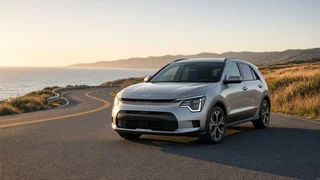
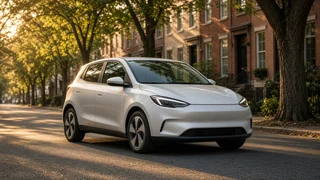
Kia's electric lineup in the US has covered several body styles: a compact crossover in the Niro EV, a midsize crossover in the EV6, and a larger three-row SUV in the EV9. Kia has also introduced smaller EV models in other markets. US availability changes by model year, so confirm which models and trims are actually offered at your local dealers before you narrow your choice.
Compact crossover (Niro EV): suits commuters and small households who want easy parking and a familiar crossover shape. Midsize crossover (EV6): suits drivers who want more performance, faster charging and road-trip capability in a five-seat vehicle. Three-row SUV (EV9): suits families who need seven or eight seats and cargo space and are prepared for a larger, heavier vehicle. Newer or smaller models: check whether they are sold in the US for the model year you are considering, and how their specifications compare.
Match Range to Your Real Daily Driving
The official range figure is a starting point, not a promise. Real range drops in cold weather, at sustained highway speeds, with heavy loads and when you run the cabin heater or air conditioning hard. A practical approach is to compare your longest regular day, not your average day, against a range figure with a comfortable margin taken off for winter and battery aging.
Range differs by trim, battery size and drivetrain within the same model. All-wheel-drive versions and larger wheels typically reduce range compared with rear- or front-wheel-drive versions on smaller wheels. Always compare the vehicle specification for the exact model year, trim, battery and wheel package, not the headline figure for the model name.
Charging Compatibility: Home, Public and Road Trips
Charging is the factor that most shapes everyday EV ownership. Three levels matter:
Level 1 (standard household outlet): very slow. Workable only for short daily mileage. Level 2 (240-volt home or workplace charger): the practical everyday option for most owners. It typically refills a day's driving overnight. DC fast charging (public stations): used for road trips and quick top-ups. Charging speed depends on both the station and the car.
Check the charging port on the exact car you are buying. US Kia EVs have historically used the CCS1 connector for fast charging. Kia has announced a move to the NACS connector, the plug used by Tesla Superchargers, for newer US models. Which port a given vehicle has, whether an adapter is included, and which charging networks it can use depend on the model year and build date. Confirm this with the dealer or the vehicle documentation rather than assuming.
The EV6 and EV9 are built on Kia's E-GMP platform, which uses an 800-volt high-voltage system. On compatible high-power DC chargers, this design allows faster charging than many 400-volt EVs. The real benefit depends on the charger's output, the battery's temperature and its state of charge. Other Kia models may use a different architecture, so check this for the specific model.
Also check the onboard charger rating, which limits how fast the car accepts Level 2 power. A powerful home charger cannot exceed what the car itself will accept.
Climate, Battery Management and Thermal Management
Battery management refers to the systems that monitor and protect the battery's charge level, temperature and cell balance. Thermal management is the part that heats or cools the battery and cabin. Both affect daily usability, especially in very cold or very hot regions.
Heat pump: helps preserve range in cold weather by heating the cabin more efficiently. Check whether it is standard, optional or unavailable on the trim you want. Battery preconditioning: warms the battery before fast charging to improve charging speed in cold conditions. Confirm whether your model year supports it and how it is activated. Scheduled climate control: lets you heat or cool the cabin while the car is still plugged in, so you use grid power instead of battery range.
Space, Comfort and Practical Details
Everyday suitability goes beyond the powertrain. Test the vehicle with your actual routine in mind: child seats, strollers, sports gear, pets or work equipment. Check rear-seat access, cargo floor height and whether there is a front storage compartment. Some Kia EVs offer vehicle-to-load capability, which lets the car power external devices. Availability varies by model and trim.
Larger EVs such as three-row SUVs are heavy because of their batteries. That weight can affect tire wear, parking in tight spaces and fitting in an older garage. Measure your garage and check where the charging port sits relative to where you will park.
Buying New vs. Used
With a used Kia EV, the battery's condition matters most. Ask for any available battery health information and service records, and confirm how much of the high-voltage battery warranty remains and whether it transfers to you. Check for completed recalls and software updates, since some fixes for charging behavior and system performance are delivered through updates.
Leave work on the high-voltage system, including isolation faults (warnings that the high-voltage circuit is not properly separated from the vehicle body), to trained technicians. If a used car shows a high-voltage or isolation warning, treat it as a reason to get a professional inspection before buying, not a minor issue.
Federal and state EV incentives in the US have changed over time and differ for new, used and leased vehicles. Check current eligibility rules for your situation before counting on any incentive in your budget.
Quick Checklist Before You Commit
Confirm the exact model year, trim, battery size and drivetrain you are comparing. Compare your longest regular driving day against a range figure reduced for winter and highway driving. Decide where you will charge, and price out a Level 2 home charger installation if needed. Check the charging port type, adapter availability and fast-charging network access for that model year. Check for a heat pump and battery preconditioning if you live in a cold climate. Test space and fit with your real passengers, cargo and garage. For used cars, review battery health, remaining warranty, recalls and software update history. Verify current incentive eligibility before finalizing your budget.
If you can charge at home and your daily driving sits comfortably within real-world range, a Kia EV is generally a practical everyday car. Next, shortlist the models sold in your area, compare their specifications at the trim level, and book a test drive that mirrors your normal routine.