Keep right in Bedford

Keeping right in Bedford is less a single rule than a layered response to lane layout, road classification, and the travel conditions you encounter along a route segment. Drivers often meet this instruction where a divided roadway, interchange, or signed lane assignment asks them to select the right-hand path before a split or exit. The phrase may describe a permanent traffic pattern or a temporary work-zone restriction. Understanding why the instruction appears helps you read traffic signs earlier and position the vehicle without a rushed correction. The following overview explains what the direction means, how it differs from ordinary lane discipline, and which practical observations matter when you approach the area.
Essential answer
The essential answer is that “keep right in Bedford” is an instructional driving guidance tied to a specific segment of road where staying in the right lane is the expected or required action. It may be conveyed by a regulatory sign, a lane-use signal, or pavement marking, and it usually appears where left-lane use is limited by an access restriction, a merge, or a split in the carriageway. The direction is not a universal law for every street in Bedford; it applies only where the roadway geometry or posted traffic control makes the right-lane position meaningful. Recognizing that scope prevents the instruction from being applied too broadly.
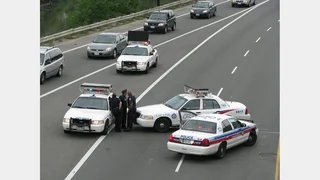
On many multilane roads, the general principle is to keep right except when passing, but a signed instruction can carry a stronger, location-specific meaning. When a sign says keep right, it often warns that the left lane ends, turns, or becomes exit-only a short distance ahead. In Bedford, the relevant route segment may include an interchange ramp, construction zone, or divided transition where lane layout changes quickly. The correct response is to observe the sign early, check the adjacent lane, and adjust speed smoothly while maintaining the right-side path indicated for through travel or the permitted movement.