K20 turbo intercooler
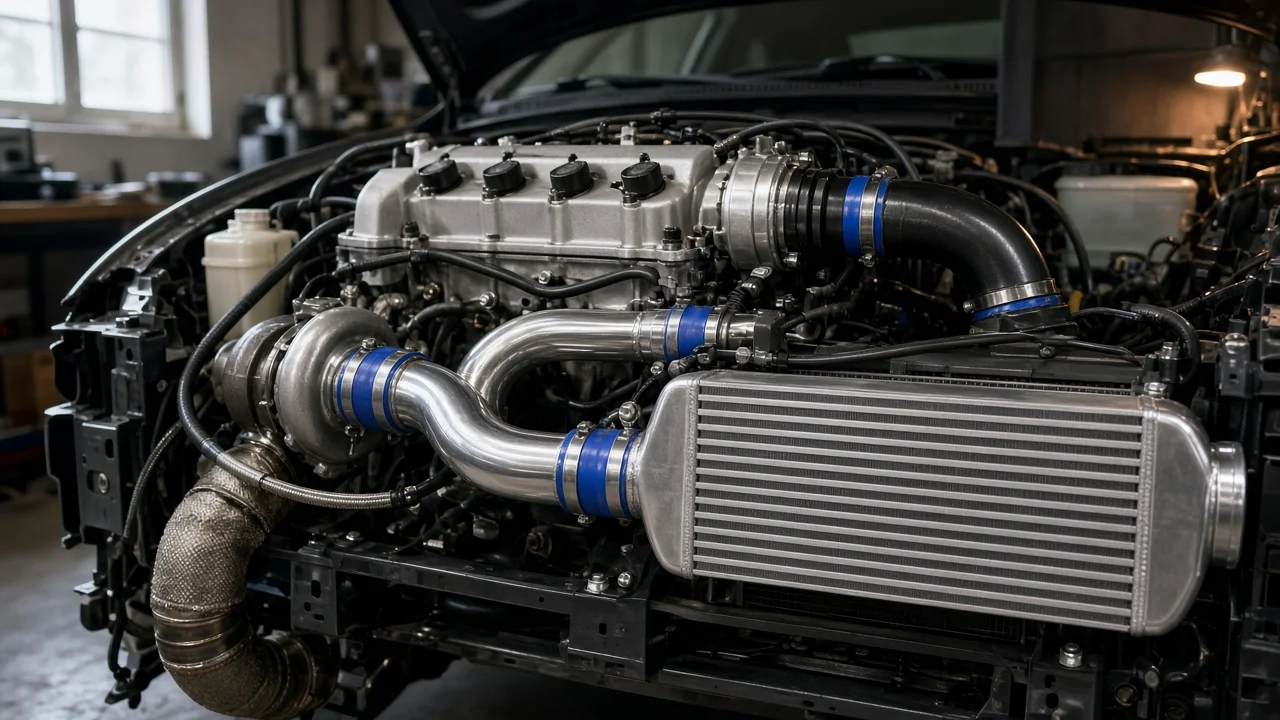
Choosing a K20 turbo intercooler is less about finding a single universal part and more about matching the heat exchanger to your turbo system, packaging space, and driving goals. The intercooler sits between the compressor outlet and the intake manifold, shedding heat from the compressed air before it enters the engine. A properly sized core lowers charge-air temperature and resists pressure loss, which helps preserve the power you are building. Whether you are repairing a heat-soaked setup or planning a first forced-induction conversion, the right selection depends on core type, hose connection routing, and how the unit will receive clean airflow.
The direct answer
A K20 turbo intercooler should be chosen by first confirming the style that fits your engine bay and turbo placement, then matching the core size to your boost level and driving use rather than buying the largest core available. Front-mount designs offer strong cooling at road speed but require longer charge piping. Top-mount units have shorter routing and less lag, yet they are more vulnerable to heat soak when stationary. The best purchase is one that holds boost pressure without excessive restriction, fits your existing or planned hose connections, and receives direct airflow behind the bumper or hood scoop.
The answer changes slightly if you are retaining a stock front bumper reinforcement or air conditioning condenser. In that case, a slim front-mount or compact side-mount arrangement may be necessary, and a thick bar-and-plate core can become impossible to mount without trimming. If the car sees repeated hard pulls at high boost, prioritize a core with low pressure loss and good ambient air exposure. For a daily driver with occasional track use, a slightly smaller intercooler that fits cleanly and keeps intake tract volume down is often the more drivable and reliable choice.













