Just Japanese Cars

“Just Japanese Cars” functions as a vehicle search concept rather than a single manufacturer or regulation. It generally points shoppers toward catalogs, classified listings, or editorial content filtered to Japanese nameplates sold in the US. That scope matters because a request for Japanese cars can include different model years, body configurations, market segments, powertrain options, and equipment levels. The practical value is narrowing a broad shopping question to vehicles engineered or branded by Japanese automakers, then comparing how regional availability and trim choices affect what a buyer can actually find on the used or new market.
Essential answer
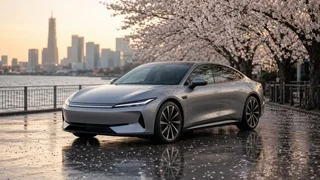
The essential answer is that “Just Japanese Cars” describes a vehicle discovery lens, not one specific model. A shopper using this phrase typically wants sedans, coupes, hatchbacks, crossovers, pickups, or SUVs from automakers such as Toyota, Honda, Nissan, Mazda, Subaru, Mitsubishi, Lexus, Acura, or Infiniti. Because the phrase is broad, the result depends heavily on model year and body configuration. A compact hatchback from one decade may compete in a different market segment than a midsize crossover from another, even when both carry a Japanese badge.
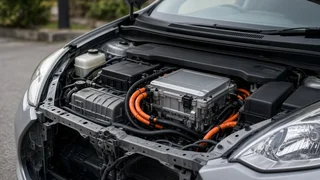
The scope also depends on equipment level and powertrain options. Two vehicles with the same body style can feel very different when one has a naturally aspirated four-cylinder and front-wheel drive while another uses a hybrid system or all-wheel drive. Regional availability further changes the answer, since not every Japanese-market or global trim reaches US dealerships. For that reason, the useful next step is to treat the phrase as a starting filter. From there, a buyer can compare specific nameplates, generations, and trims rather than assuming all Japanese cars share one driving character or reliability profile.