John Deere Trailer Hitch Pin
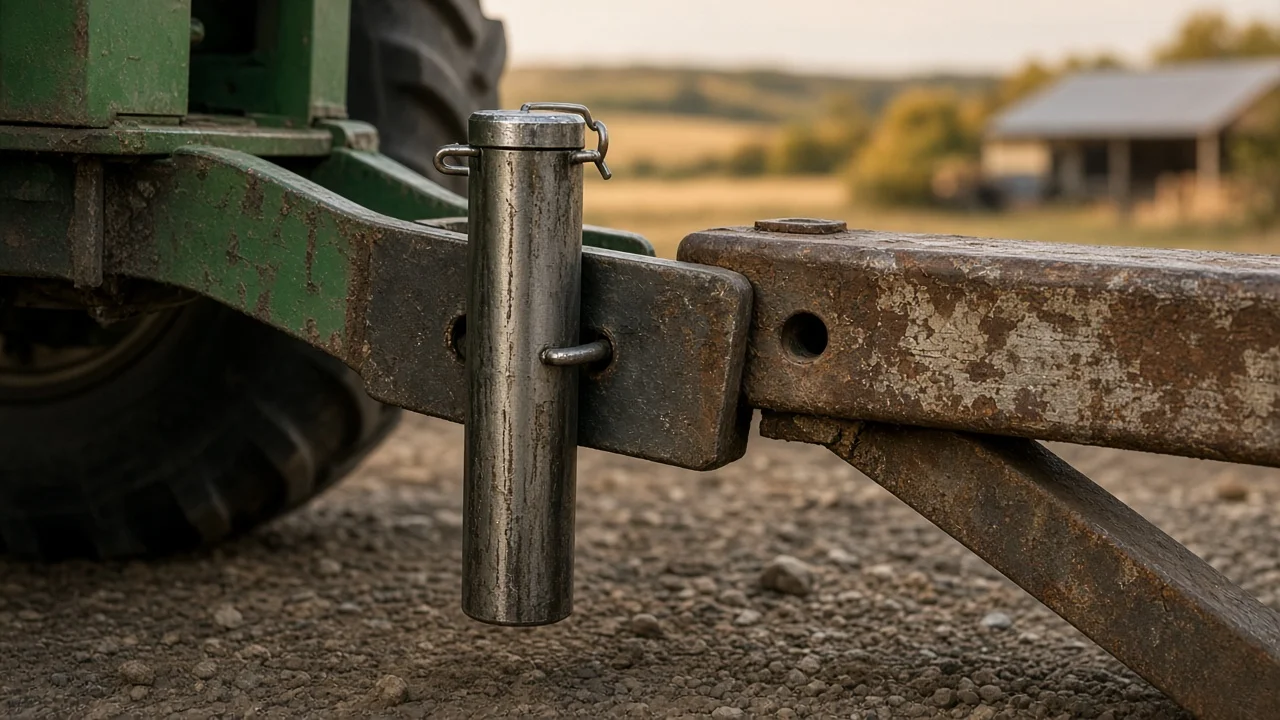
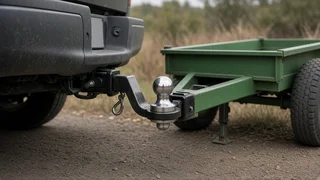
Choosing a John Deere trailer hitch pin is less about brand labeling and more about matching the pin’s mechanical limits to the towing configuration. The pin serves as the pivot and retention point for a drawbar or ball mount, and its diameter, grip length, material, and retainer style determine whether it can safely manage tongue weight and dynamic loading. Before purchase, verify the receiver size, the accessory’s pin-hole diameter, and the gross vehicle weight rating of the tow setup. A correctly sized pin keeps the coupling stable without binding or excessive movement.
The direct answer
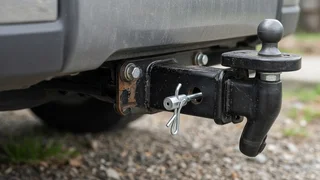
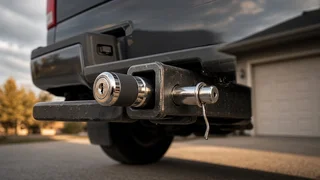
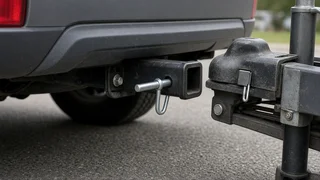
The immediate answer is that a John Deere trailer hitch pin must match the nominal diameter of the receiver or drawbar hole, commonly 5/8 inch or 1/2 inch on light-duty equipment, and be long enough to pass through both sides with room for a retainer clip. The pin’s strength should be interpreted against the towed load, not the tractor brand alone. A pin that fits snugly through the hitch but lacks adequate shear capacity can deform under braking or acceleration, so confirm the attachment point condition and the combined weight rating before relying on a generic replacement.
When the pin secures an accessory such as a tow hook, ball mount, or clevis, the usable grip length is just as important as diameter. Too much exposed shank allows the accessory to slide and creates leverage, while too little prevents the clip or cotter from seating properly. Because tongue weight shifts with trailer loading and terrain, select a pin rated for the maximum expected dynamic load rather than only the static trailer mass. If the existing John Deere pin is worn, grooved, or bent, replacement sizing should follow the measured hole, not an assumed part number.