John Deere Trailer Hitch Ball
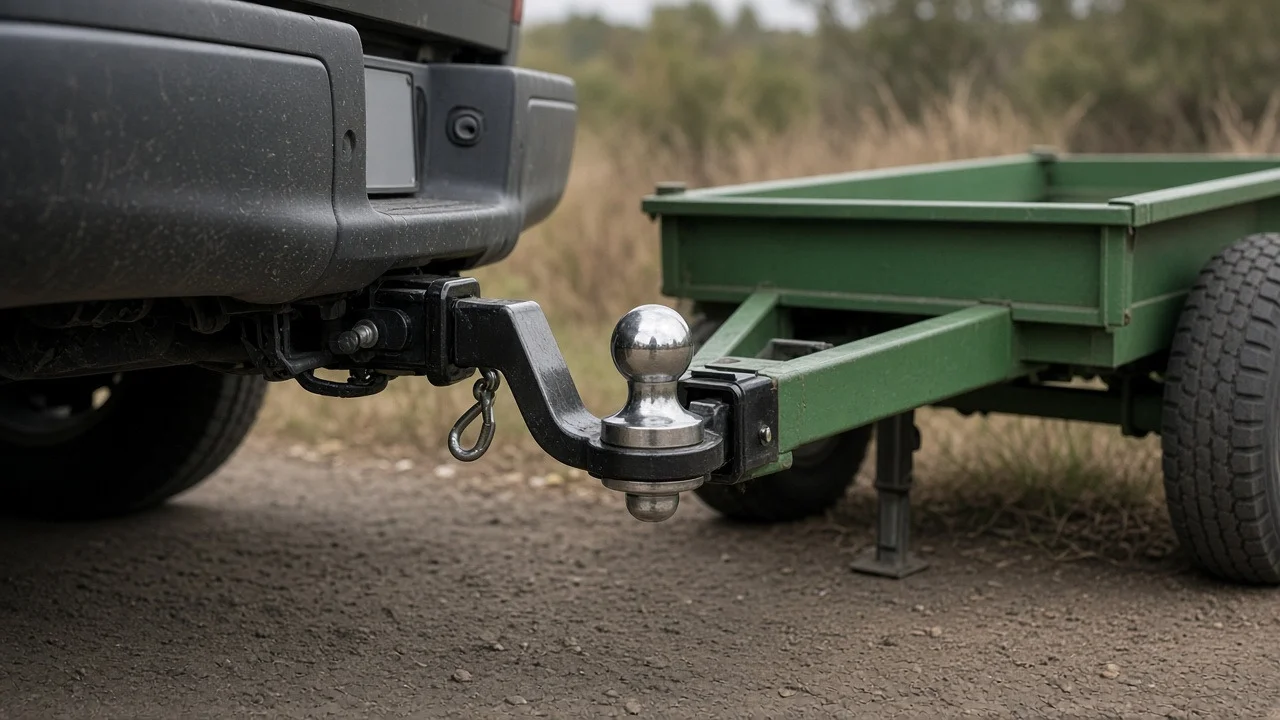
Selecting a John Deere trailer hitch ball is about matching the ball to the shank, the coupler, and the towing ratings that keep a loaded trailer stable. A hitch ball may look like a simple piece of steel, but its diameter, shank size, and weight capacity directly affect how safely the tow vehicle and implement work together. Before buying, owners should confirm the trailer coupler size, the hitch receiver or drawbar platform, and the gross trailer weight. This practical check helps avoid a loose connection, excessive tongue load, or a ball that cannot handle the intended payload.
The direct answer
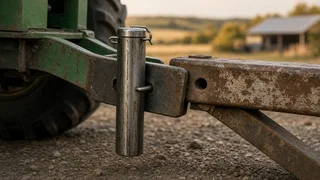
A John Deere trailer hitch ball should be chosen primarily by the trailer coupler diameter, the shank diameter needed for the drawbar or receiver mount, and the ball's rated capacity for the trailer's gross vehicle weight rating. Most common light- and medium-duty couplers use a 2-inch or 2-5/16-inch ball, while smaller utility carts may accept a 1-7/8-inch ball. The shank must fit the hole in the hitch platform; a 3/4-inch or 1-inch shank is typical, but the platform's configuration ultimately controls what can be installed.
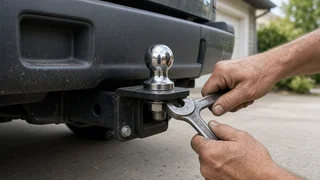
The safe answer also depends on the combined weight rating and tongue weight the tow vehicle and hitch assembly can handle. Even a correctly sized ball can be the wrong choice if its stamped load limit is below the loaded trailer weight. Owners should compare the ball's rating with the trailer's gross vehicle weight rating and the rear axle rating of the tow vehicle. A ball with adequate capacity but a worn or loose mounting platform can still fail under load, so the securing nut, lock washer, and shank must be checked during installation.