Jiffy Lube Transmission Fluid Change: Service Options and Cost
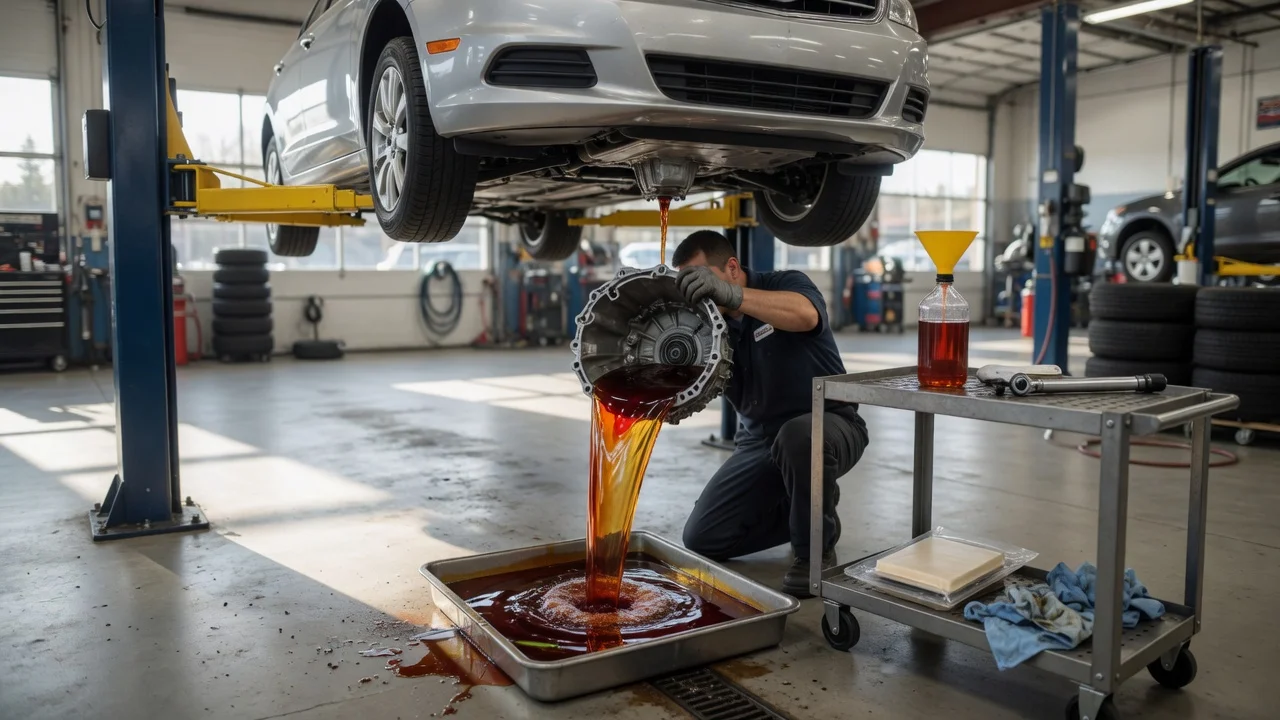
Before you start
Jiffy Lube is a quick-lube service brand, not a digital media tool. A transmission fluid change is performed on the vehicle at a service location, so this is not a process you can run locally on a computer, phone, camera, or microphone setup. The relevant preparation is confirming your vehicle details and understanding what the shop may or may not offer.
Start with your owner's manual or maintenance guide. Look for the transmission type, recommended fluid specification, service interval, and whether the manufacturer advises a fluid change, drain and fill, flush, or no routine service for a sealed transmission. Having this information helps you ask more useful questions at the shop.
Because service availability can vary by franchise location and vehicle, do not assume every Jiffy Lube offers the same transmission service menu. Some locations may handle drain-and-fill service for accessible automatic transmissions, while others may refer certain vehicles elsewhere because of specialized fluid, filter access, or a sealed transmission design. The safest step is to contact the specific location, describe your vehicle, and ask whether they service that transmission type.
Step-by-step instructions
Treat the following as a practical checklist for using the service, not a procedure for changing the fluid yourself.
1) Collect the vehicle information a shop may request: year, make, model, engine, and approximate mileage. 2) Check the owner's manual for the transmission type and the recommended fluid requirement. 3) Contact the Jiffy Lube location you plan to visit and ask whether it provides transmission fluid service for your vehicle. 4) Ask which service is actually being performed: a spill-and-fill or drain-and-fill of the accessible fluid, a filter replacement, a flush, or an inspection with advice only. 5) Request that the shop use the fluid specification called for by the vehicle maker if the work is approved. 6) Ask whether the estimate includes new fluid, a filter or gasket when applicable, labor, disposal, and any inspection-related charges. 7) Keep the receipt and note the mileage, fluid used, and service performed for your maintenance record.
Older vehicles with a traditional automatic transmission and a serviceable filter are often easier to drain and refill. Newer vehicles may have a continuously variable transmission or a sealed unit with specific fill and temperature-check procedures. The shop may decline service on those designs or may use different equipment and fluid, which can change the cost.
Check the output
After the service, confirm the shop has recorded the fluid type and quantity on the receipt. If your vehicle has a dipstick, a technician can check the level after a short drive and with the transmission at the specified operating condition, but the exact method depends on the vehicle. Do not assume a level check after the work means the fluid was exchanged properly; the receipt and service description are the main written records.
A visible improvement in shift feel is not a reliable verification method. Some transmissions may not feel different after a fluid change, especially if the old fluid was not badly degraded. A noisy shifting complaint before service can have causes other than old fluid, so the expected result should be limited to completing the approved fluid service without leaks or warning lights.
Cost is also an output to verify, but there is no fixed national price for a Jiffy Lube transmission fluid change. The final amount depends on the location, vehicle, transmission type, fluid specification, amount of fluid required, and whether a filter or additional labor is involved. Use any quote only as an estimate for that location and vehicle.
Common problems and next steps
A common question is whether the transmission fluid should be changed or flushed. A drain-and-fill removes only the fluid that drains from the pan, leaving fluid in the torque converter and cooler circuit unless a specialized exchange is performed. A flush may remove more of the old fluid, but the best choice depends on the vehicle design, service history, and manufacturer guidance. Ask the shop what method it recommends and why.
Some owners worry that changing old transmission fluid will cause slipping. That concern is usually tied to transmissions that are already failing or that have extremely neglected fluid. If the vehicle has harsh shifting, delayed engagement, or burnt-smelling fluid, a fluid change alone may not fix the underlying problem. In that case, the useful next step is diagnosis before approving fluid service.
If a Jiffy Lube location cannot service your transmission, ask for the reason and whether they can recommend a shop that handles that transmission type. Do not approve a general transmission service without knowing the fluid specification. The follow-up task is to complete the work at a facility that can document the correct service for your vehicle.