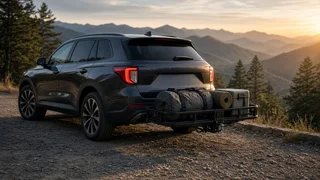
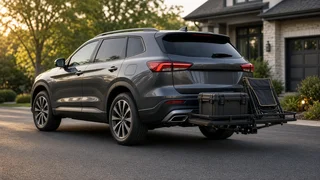
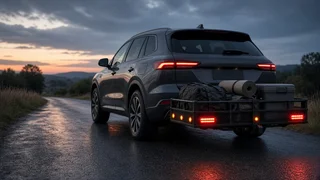
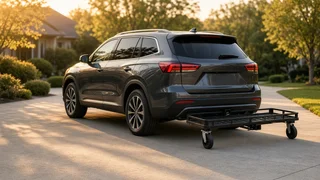
Jeep Wrangler Hitch-Mounted Cargo Carrier
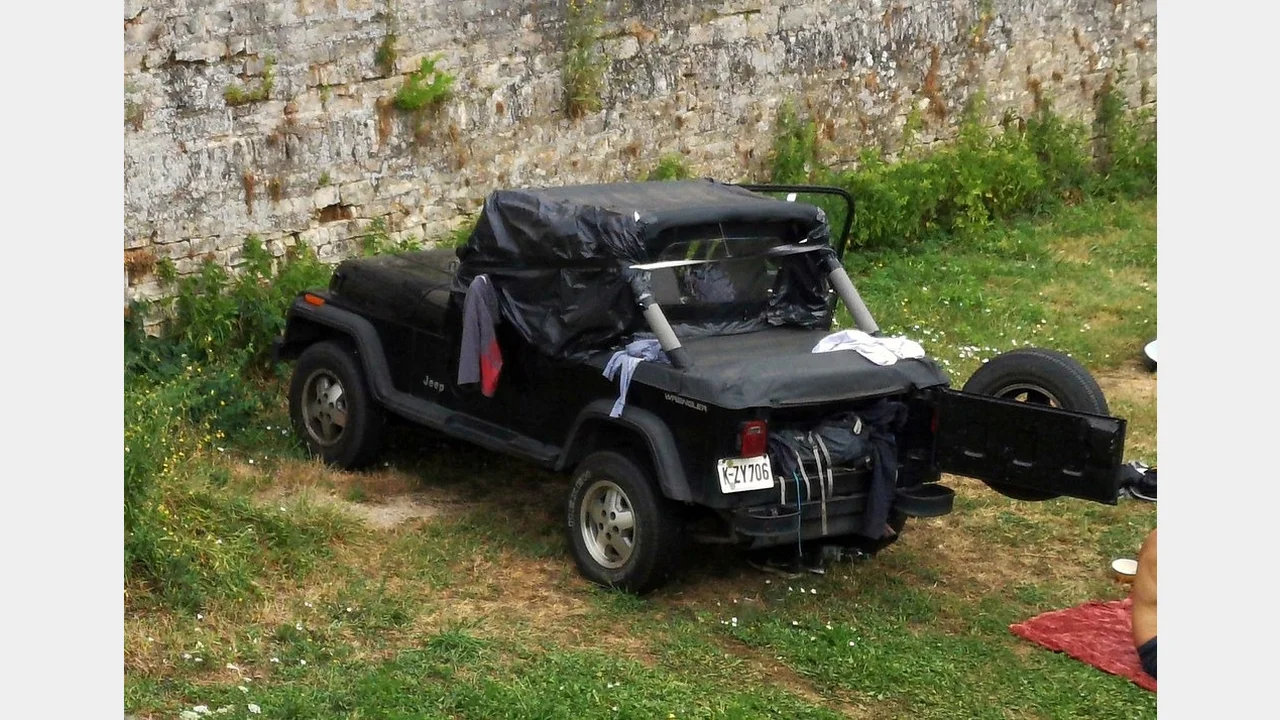
A Jeep Wrangler hitch-mounted cargo carrier expands usable space without forcing gear into the cabin or relying entirely on a roof rack. The right choice balances receiver size, load rating, clearance, and how the platform or basket fits the Wrangler's rear profile. Because the carrier sits behind the spare tire and bumper, compatibility depends on the hitch receiver, the shank depth, and the folded or upright position. The approval process should focus on the carrier's structure, its surface material, and the mounting points that keep the load stable over pavement, gravel, and off-road trails.
The direct answer
The immediate answer is to select a carrier that matches the Wrangler's receiver tube size and tongue weight capacity while leaving enough clearance for the rear door and spare tire. Most Wrangler models use a two-inch receiver, but owners should confirm the vehicle's hitch class and the carrier's shank dimensions before purchase. A carrier that slides into the receiver with excessive play can rock, and one that sits too close can strike the bumper or prevent the tailgate from opening. The best option combines a rigid frame, a corrosion-resistant surface material, and mounting points that secure cargo without adding unnecessary height.
Practical shopping starts with the carrier's load rating and the Wrangler's allowable tongue weight, not just the cargo platform's advertised capacity. The lower number becomes the working limit, and loaded gear should stay below it with a margin for dynamic loads on rough roads. Product compatibility also includes the hitch pin location, the distance from the pin hole to the upright section, and the platform's folded position. A carrier that clears the spare tire when empty may still interfere when the swing-away tailgate is opened, so owners should check both the driving position and the rear access angle before deciding.