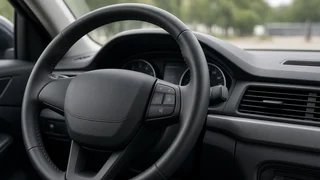
Jeep TJ steering wheel radio controls

Adding steering wheel radio controls to a Jeep TJ raises a question about what the factory platform can support and how aftermarket equipment changes the installation. The TJ-generation Wrangler predates the widespread use of integrated steering wheel switches on many trim levels, so owners often explore retrofit options that preserve the original wheel or adapt later components. Understanding the signaling method, clock spring capacity, and head unit requirements helps separate a simple accessory addition from a project that also involves wiring, mounting points, and vehicle-specific confirmation.
Essential answer
Jeep TJ steering wheel radio controls are generally not a factory-standard feature across the model run, so the essential answer is that most installations are aftermarket retrofits or adaptations of parts from other vehicles. The TJ uses a clock spring behind the wheel to carry electrical circuits, but adding switch pods requires confirming whether unused pathways exist and whether the steering wheel has suitable mounting points. Without a factory switch assembly designed for the TJ, owners typically pair a universal or adapted control pad with a compatible receiver module and an aftermarket radio that recognizes wired remote input.
The practical scope depends on the radio and the chosen control method. Some head units support a resistive ladder input from steering wheel buttons, while others require a specific adapter that translates switch signals into commands the radio can read. The wheel itself may need a trim panel, bracket, or modified spoke area to hold the controls securely. Because wire colors, clock spring circuits, and radio input protocols can differ by model year and equipment, the retrofit should be treated as a vehicle-specific electrical project rather than a universal plug-in upgrade.