Jeep Factory Wheel Offset
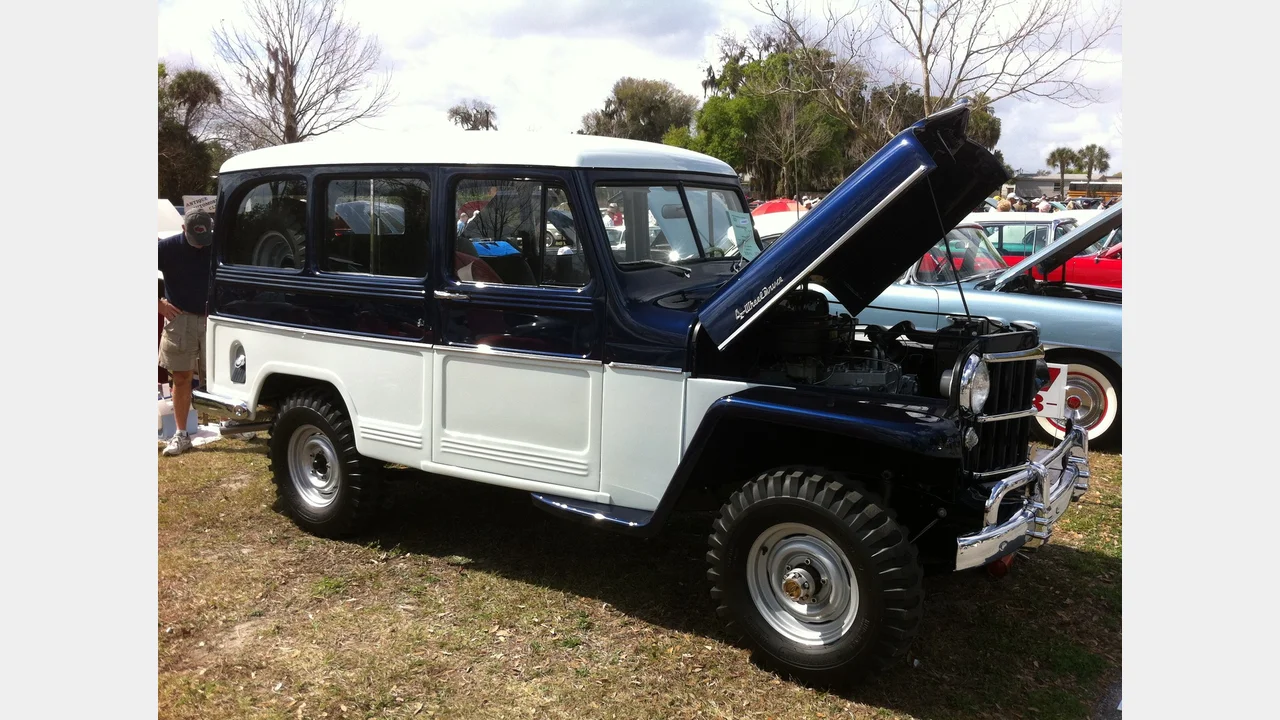
Factory jeep wheel offset describes where the wheel mounting surface sits relative to the rim’s centerline, and it directly shapes steering feel, suspension clearance, and tire compatibility. Jeep owners often research this dimension before choosing replacement wheels or fitting larger tires, because a change in offset can move the tire inward or outward enough to contact suspension arms, fender flares, or brake components. Understanding the stock dimension provides a useful baseline for comparing aftermarket options without guessing.
Essential answer
The essential answer is that factory jeep wheel offset is a positive offset value for most modern models, meaning the wheel’s mounting face sits closer to the outside edge than the exact center of the rim width. This positions the tire largely under the body while leaving enough clearance for steering knuckles and brake calipers near the inner side of the wheel. Exact values vary by platform, wheel width, and generation, so a single number cannot represent every Jeep without qualification.
Offset is measured in millimeters and is closely related to rim width and rim diameter. A wider wheel with the same offset changes how far the inner and outer edges extend, which is why offset cannot be evaluated alone. Bolt pattern also matters because an adapter or hub conversion can alter effective offset. Drivers comparing factory wheels with aftermarket options should view offset alongside rim width, tire size, and suspension geometry to predict whether clearance will remain safe and predictable.
Offset changes where the tire’s center of contact sits relative to the steering axis, often described as scrub radius. Moving the wheel outward with a lower positive offset can make steering feel heavier and increase sensitivity to bumps, while moving it inward can reduce clearance to the suspension or frame. These effects are especially noticeable on lifted Jeeps with larger tires, where altered geometry may magnify small dimensional changes.
Clearance problems usually appear first at full steering lock or suspension compression. A wheel with too much inward movement can rub the lower control arm or sway bar, while too much outward movement can contact the fender flare or outer body edge. Checking tire compatibility means considering both static position and how the tire moves through suspension travel, not just whether the wheel and tire fit when the vehicle sits still.
When evaluating a replacement wheel, compare its offset to the factory dimension rather than looking at the number in isolation. For example, a wheel that is half an inch wider but uses the same offset will add roughly equal width to both the inner and outer edges. If the new tire is also taller or wider, the combined change can reduce clearance even when the offset difference seems small.
A useful approach is to measure or calculate the change in backspacing and frontspacing. Backspacing relates to the distance from the mounting pad to the inner rim edge, while offset relates the mounting pad to the rim centerline. Because aftermarket wheels often list offset but owners may be more familiar with backspacing, translating between the two helps avoid a purchase that looks correct on paper but rubs under real driving conditions.
The stock offset is not selected only for looks. It is chosen to place the tire in a position that works with the suspension geometry, steering feel, and body clearance assumptions of the original design. For a daily-driven Jeep, staying close to that baseline usually preserves predictable handling and limits unnecessary stress on bearings and steering components. Modest changes may be acceptable, but large departures often require additional modifications to avoid interference.
Jeep owners frequently move away from factory offset when fitting wider off-road tires or aftermarket wheels for a specific stance. In those cases, the factory number still serves as a reference point for calculating how far the tire has moved. Without that baseline, it is difficult to know whether a rub or steering change comes from wheel position, tire dimensions, or another modification such as a lift or steering component change.