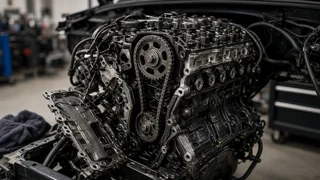
Jeep 3.7 timing chain
The Jeep 3.7 engine timing chain question usually starts with a noise or a diagnostic code, but the real answer involves how the chain manages camshaft timing and what its condition says about engine health. Understanding the chain’s role, the engine configuration, and the symptom conditions helps separate normal wear from a developing fault. Because manufacturer specifications and service history shape the diagnosis, a timing-related concern should be interpreted through inspection and diagnostic codes rather than assumed from sound alone.
Essential answer
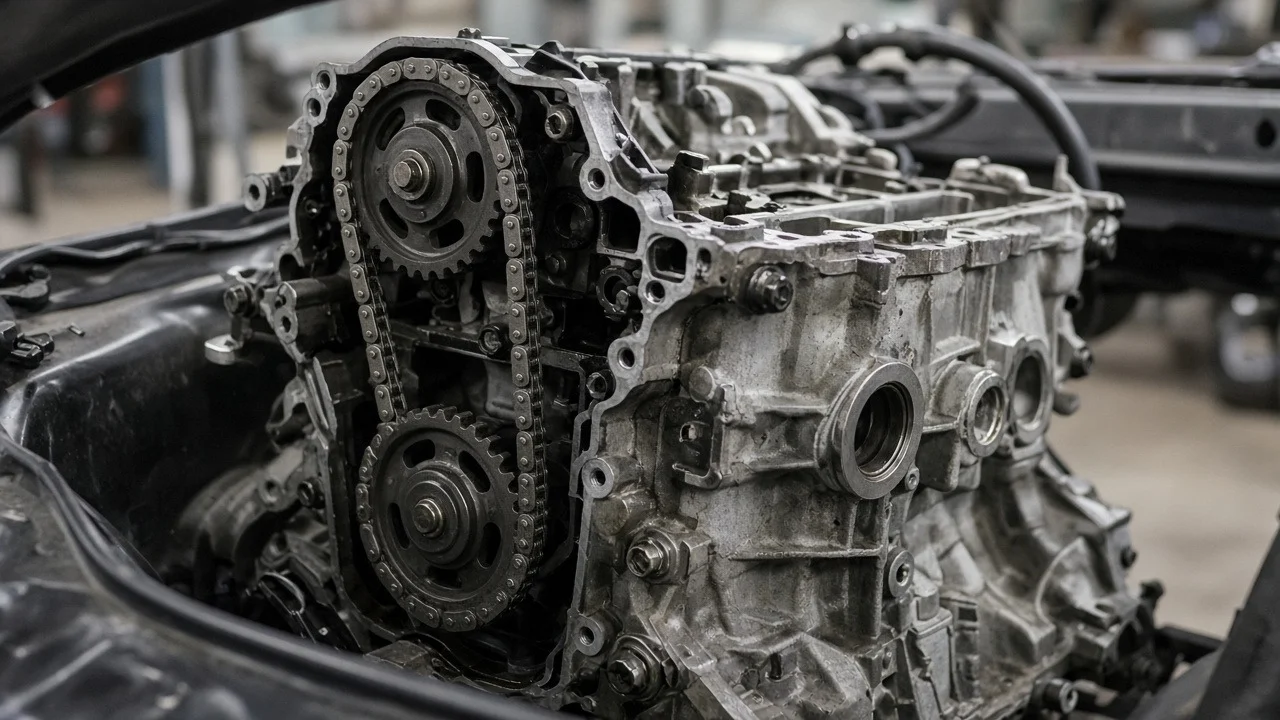
A timing chain on the Jeep 3.7 engine synchronizes the crankshaft and camshafts so the valves open and close at the correct point in each cylinder’s cycle. Unlike a belt, the chain is designed as a durable internal component, but it still relies on guides, tensioners, and engine oil pressure to maintain proper control. When those supporting parts wear, the chain may become slack, and the engine can develop a rattling sound at startup or during low-speed operation. The essential answer is that the chain itself is only one part of a timing system, and its condition must be judged with the tensioner and guides.
Diagnostic codes tied to camshaft or crankshaft correlation often point toward a timing concern, but they are evidence to interpret rather than proof that the chain has failed. A stretched chain or a weak tensioner may allow the cam timing to drift enough to set a code, while other faults can produce similar readings. Symptom conditions matter: a brief cold-start rattle that disappears with oil pressure may differ from a constant hot-engine knock. Inspection of the timing components and comparison with manufacturer specifications give a more reliable answer than replacing parts based only on a sound.