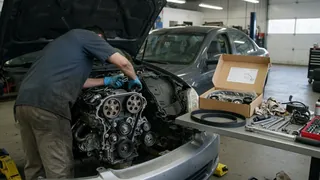
Jeep 2.4: timing belt or chain
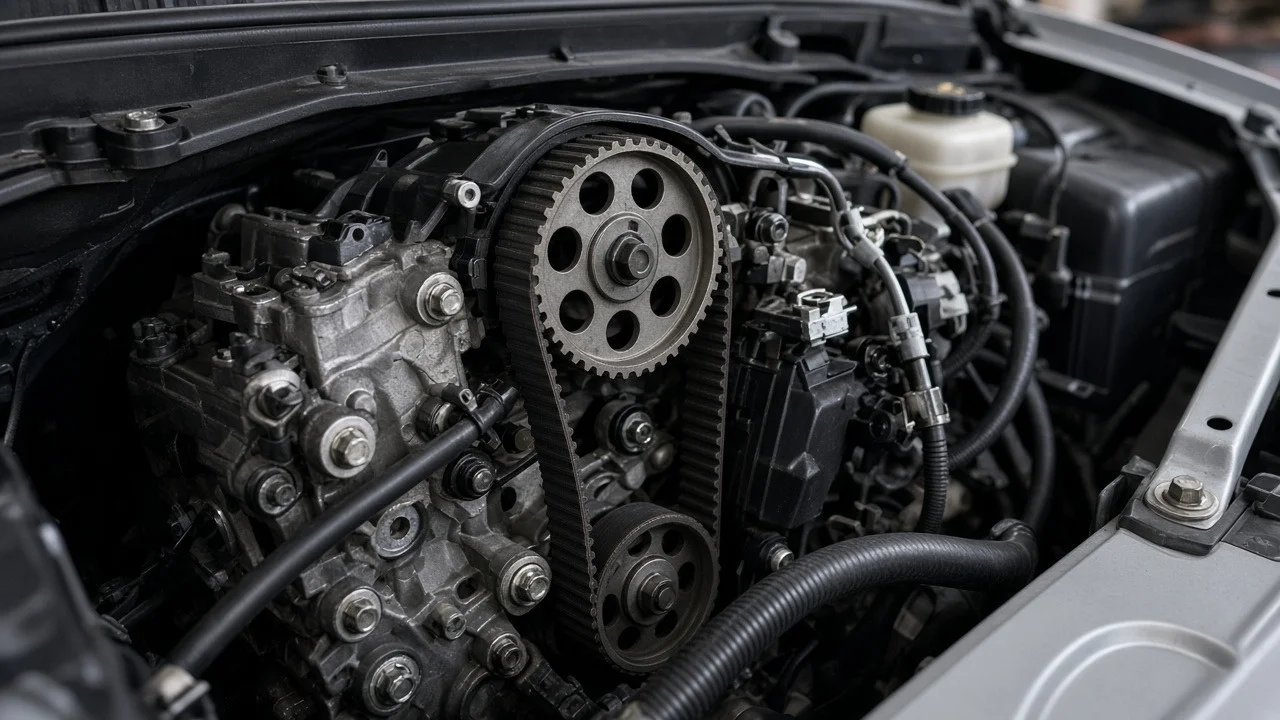
The question of whether the Jeep 2.4 engine uses a timing belt or chain matters because the answer shapes long-term ownership costs and preventive service. Different versions of this four-cylinder engine have appeared across multiple Jeep models, and the valvetrain drive design changed between generations. Knowing which setup a vehicle has helps owners understand inspection needs, symptom conditions, and whether a replacement interval applies. Manufacturer-dependent engineering choices mean the correct answer requires matching the specific engine configuration to the vehicle rather than applying one rule to every 2.4-liter Jeep.
Essential answer
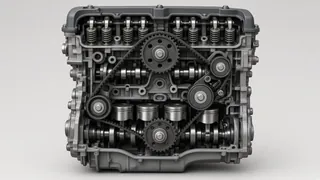
Most modern Chrysler-family 2.4-liter engines, including the World Gas Engine used in later Jeep applications, drive the camshafts with a timing chain rather than a rubber timing belt. That direct answer, however, needs qualification. Earlier versions of the 2.4 engine and certain platform variants may use a different valvetrain drive arrangement, so the safest interpretation relies on identifying the exact engine configuration in the vehicle being researched. A chain is a metal link assembly bathed in engine oil, whereas a belt is a reinforced rubber loop that runs dry outside the main lubrication system.
Because the difference affects how an owner approaches service history and inspection, the essential answer should not be treated as a stand-alone fact. A timing chain assembly is generally designed for the life of the engine but still depends on clean oil, correct tension, and healthy guides. Diagnostic codes tied to camshaft or crankshaft correlation can signal wear, stretch, or guide problems, yet they are evidence to interpret, not proof that the chain itself has failed. Manufacturer specifications for the specific model year remain the authoritative reference for confirming the design.