Japanese minivans and 7-seaters
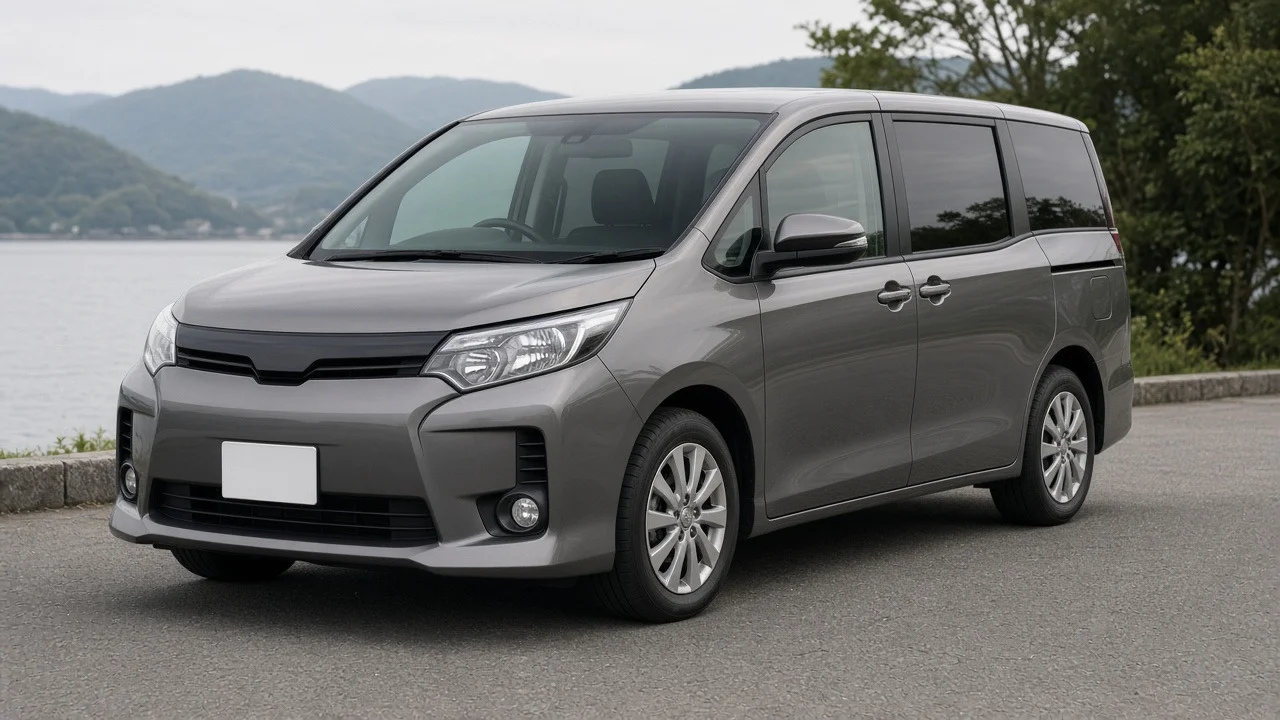
The Japanese minivan and seven-seat passenger segment spans a broader field than a single model or body configuration. In US market terms, this category usually refers to front-wheel-drive or all-wheel-drive family vans and crossover-based people movers developed by Japanese automakers. A shopper may encounter them both as the familiar sliding-door minivan and as a three-row car-based vehicle with conventional rear doors. Both formats prioritize interior packaging, low step-in height, fold-flat seating flexibility, and daily usability for larger households. The distinction matters because it changes how the vehicle drives, how the third row is accessed, and how cargo space behaves with all seats occupied.
Essential answer
Japanese minivans are generally characterized by a one-box or softly two-box silhouette, sliding side doors, a low floor, and a seating arrangement designed for six to eight occupants. In contrast, many Japanese 7-seaters are crossover or wagon derivatives that add a third row to a car-based platform. This changes the ownership experience: the minivan body configuration tends to yield more consistent third-row headroom and easier access through the sliding opening, while the crossover shape usually offers a higher driving position and more compact exterior length. The same model year and market segment can therefore contain both formats under different nameplates.
The essential answer depends on the buyer’s access needs and typical people-versus-cargo balance. A Japanese minivan works well when passengers enter and exit frequently, because sliding doors remain usable in tight parking stalls and the low step-in height is easier for children and older adults. A seven-seat crossover or SUV-style vehicle may suit drivers who want a more conventional driving feel and occasional third-row use rather than daily eight-passenger hauling. Regional availability, equipment level, and powertrain options also differ, so shoppers should compare the proposed vehicle’s full configuration rather than assuming every Japanese seven-seater shares minivan practicality.