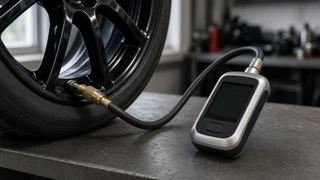
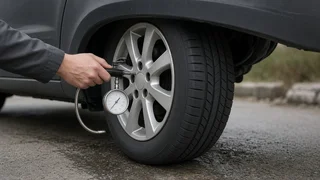
Jaco ElitePro Analog Tire Pressure Gauge (60/100 PSI)
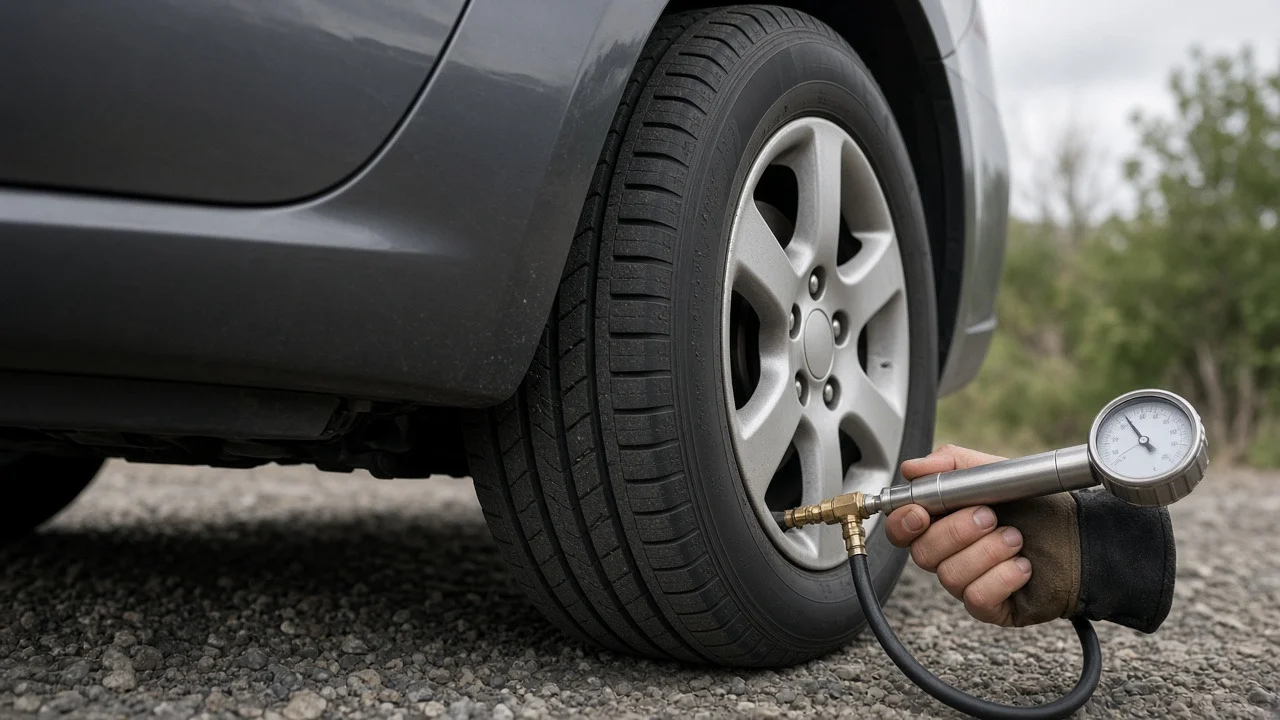
When choosing a Jaco ElitePro analog tire pressure gauge in the 60 or 100 PSI version, the key question is whether the measurement range fits the tires you actually maintain. A 60 PSI dial is appropriate for most passenger cars, light trucks, and SUVs running well below that ceiling, while the 100 PSI version provides more headroom for high-load tires, trailer applications, and commercial vehicles. Matching the gauge to your expected inflation pressure matters because analog instruments read most accurately across the middle of their scale. The right connection, clear units, and stable construction also determine whether a reading is trustworthy when you check pressure at the valve stem.
The direct answer
Choose the 60 PSI Jaco ElitePro analog gauge if your normal cold inflation targets sit roughly between 30 and 50 pounds per square inch, which is typical for everyday cars and light-duty pickups. The lower range spreads those readings across a wider portion of the dial, making it easier to distinguish small differences at a glance. A passenger tire rated on the sidewall for 44 PSI maximum is simple to monitor with this version because the pointer stays in the gauge’s most legible portion instead of crowding near the bottom of a higher-range instrument.
Select the 100 PSI dial when you deal with pressures that frequently reach 60 PSI or higher, such as some heavy-duty truck tires, motorhome tires, and trailer tires. The expanded measurement range prevents the needle from approaching its mechanical stop during normal use. Without a vehicle-specific confirmation, neither scale can be described as universally correct for every tire, but the principle is consistent: pick an analog gauge whose upper limit allows your expected working pressure to fall in the usable central range rather than at either extreme.