Isuzu Truck Engine Oil Capacity
What the oil capacity figure means
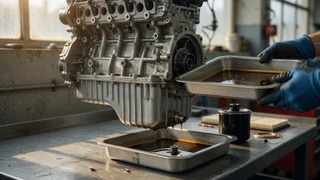
Engine oil capacity on an Isuzu truck is the crankcase fill volume specified for the engine fitted to that chassis. The number that belongs on a service is the one published for that engine, usually listed both with a new oil filter and without one. Capacity changes with chassis series, engine family, displacement, oil-pan design and model year, so an NPR, NQR, NRR or F-Series truck can each call for a different fill.
This guide explains how that specification is defined and how to match it to a given truck. It covers Isuzu commercial trucks used as medium-duty chassis in common markets. Exact liter or U.S. quart figures stay with the truck’s owner’s manual, workshop specification or engine identification data, and those documents should be read before oil is added.
What changes the fill volume
Isuzu assigns oil capacity to the engine and sump on the vehicle, so two trucks with similar badges can still differ. The material qualifications are the engine family, the pan fitted to that chassis, the model year and market, and whether the filter is replaced at the same service.
Engine family and displacement, including four-cylinder and six-cylinder diesels used across N-Series and F-Series chassis. Oil-pan and sump design on that truck, which sets how much oil the crankcase holds at the full mark. Oil-filter volume, which is why manuals list a with-filter figure and a without-filter figure. Model year and the market the truck was built for, which can change pan, filter and published capacity even on the same series name.
How to confirm the figure for your truck
Identify the engine first, then read the capacity table that matches that engine and model year. The engine model is stamped on the data plate on the block and is also recorded with the chassis identification in the cab. Use the with-filter volume when the filter is changed, which is the usual oil service.
Read the engine model from the block plate or from the build information in the cab. Open the owner’s manual or workshop specification for that chassis series and model year. Select the row for the fitted engine, then the with-filter volume when the filter is replaced. Park the truck level after filling and confirm the level on the dipstick once oil has drained back to the pan.
Filling and checking after a service
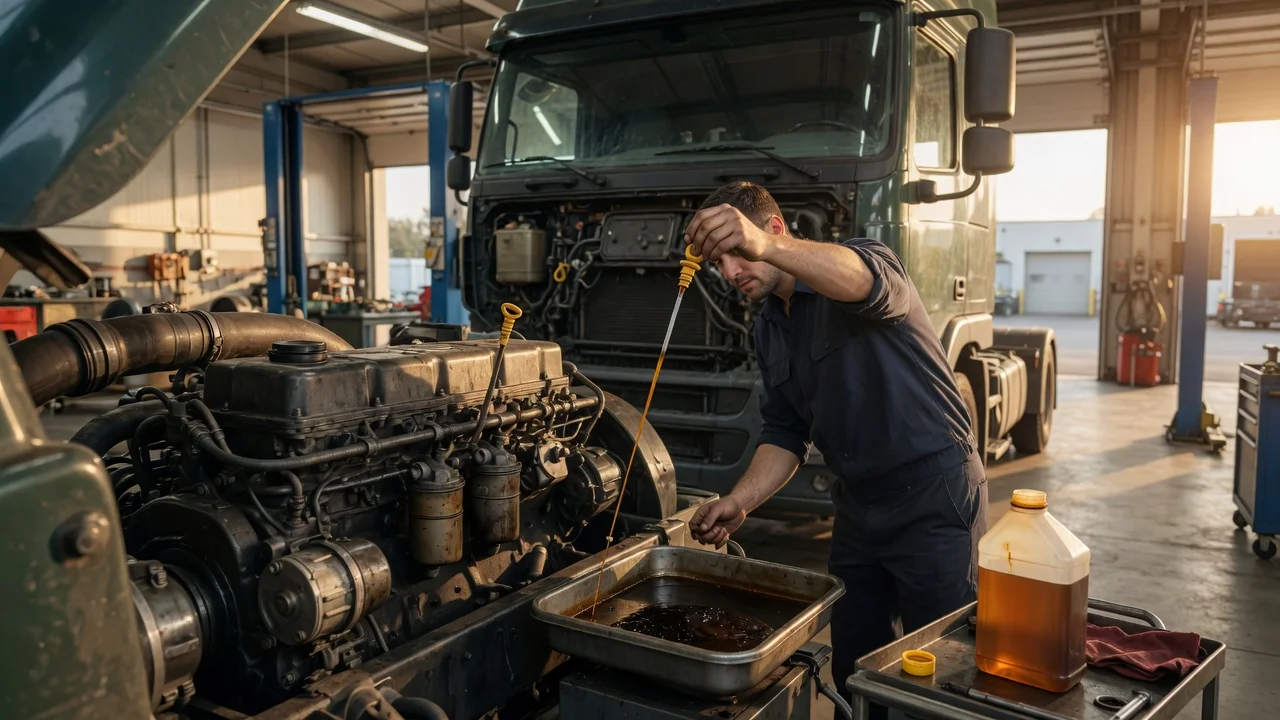
Add oil gradually toward the specified volume, then finish on the dipstick. After a filter change, allow time for oil to fill the new filter and drain back before taking a reading. Recheck after a short run, with the engine stopped and the oil settled, so the indicated level matches the pan. The dipstick full and low marks are the in-service check; the published capacity is the starting fill, and the stick is what confirms the result.
Use the oil grade and performance specification the same manual lists for that engine. Capacity is a volume; viscosity grade and oil standard are separate requirements and should be taken from the same document. Overfilling can raise crankcase pressure and stress seals. Running below the low mark can starve bearings and, on turbocharged engines, the turbocharger.
Where the exact liters or quarts are recorded
Specific capacities for individual Isuzu engines are variant-dependent and are omitted here. The supported next step is to read the crankcase capacity from the owner’s manual or workshop specification that matches the truck’s engine serial, chassis series and model year. If that document is missing, a dealer or workshop can look up the engine and chassis identification and supply the published with-filter and without-filter volumes for that vehicle.