4HK1 engine oil capacity
What oil capacity applies to the 4HK1
Oil capacity for the Isuzu 4HK1 is set by the vehicle or equipment it is fitted to. The 4HK1 is a 5.2-liter (5,193 cc) turbocharged inline-four diesel used in light- and medium-duty trucks, buses and industrial power units, including N-Series chassis such as the NPR, NQR and NPS and related ELF models. The sump, oil cooler and filter layout change with that installation, so the volume you pour at a service is the figure published for that chassis, model year and service condition.
A capacity quoted only as “4HK1” is incomplete until it names the application and whether the oil filter and oil cooler are included. Service fill after a drain-and-refill is also a different volume from a dry fill on a rebuilt or newly assembled engine. A verified liter and U.S. quart table for every 4HK1 variant is not included in this guide; use the lubrication chart for your VIN or engine serial number.
What changes the fill volume
The engine code identifies the basic powerplant. Fill volume follows the hardware around it. Truck, bus and industrial mounts use different pans and pickup tubes. A spin-on filter holds extra oil, and workshop charts usually quote the with-filter figure for a routine change. An oil cooler and its lines add more. Later 4HK1-TC and 4HK1-TCN emissions packages can change cooling and filtration parts, which can move the published capacity even when the displacement stays the same.
Chassis and market: N-Series truck, bus or industrial unit, including the model year and emissions package.
Filter condition on the chart: with filter for a normal oil-and-filter service; without filter only when that is what the chart specifies.
Oil cooler and lines, when fitted, which add volume beyond the pan.
Service fill after a drain versus dry fill after a rebuild or a fully emptied lubrication system.
How to confirm the fill for your vehicle
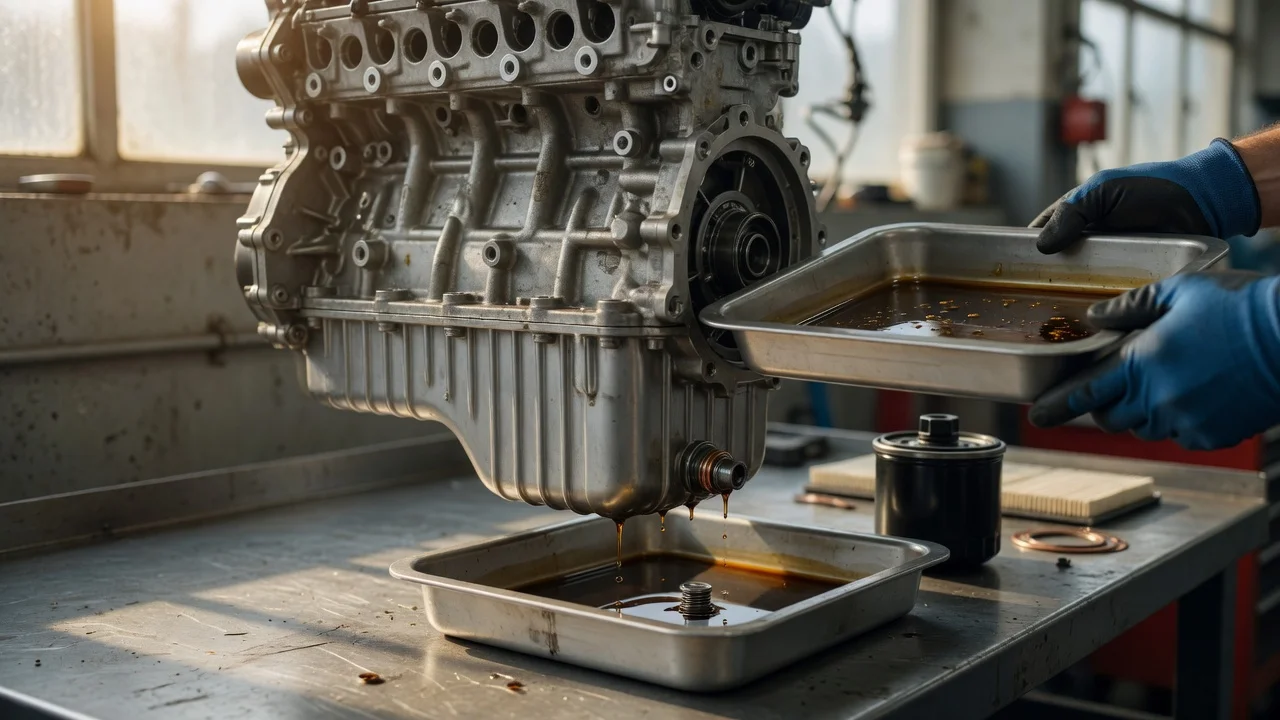
Read the lubrication capacity chart in the operator’s or workshop manual that matches the chassis and engine serial number. If the truck has an under-hood or cab service label, use that figure together with the manual. After a drain-and-fill, park on level ground, wait for oil to drain back, and set the level on the dipstick. Run the engine briefly, shut it down, wait again, and recheck. The published capacity is the starting volume; the dipstick is the final check. Capacity and oil grade are separate items: pour the volume the chassis chart lists, in the viscosity and diesel-oil specification that same manual names for your market.