Is Hyundai Japanese or Korean
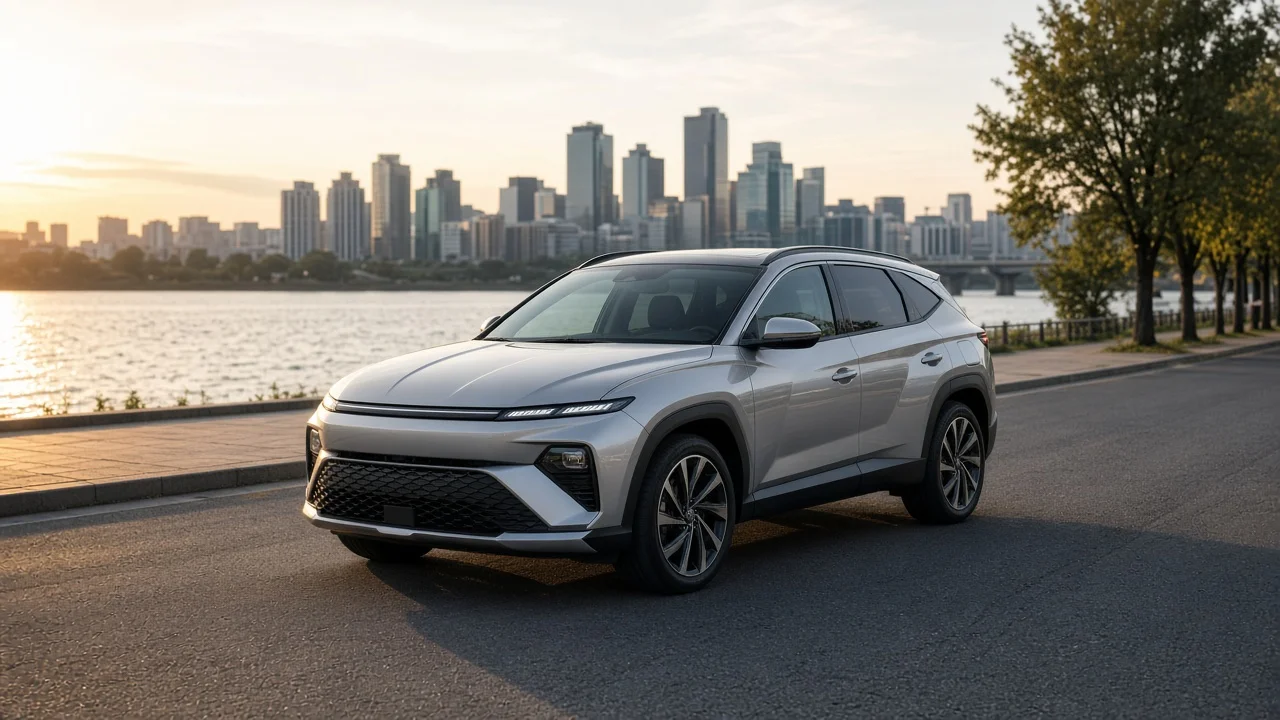
Hyundai is a Korean automaker, not a Japanese one. The brand is headquartered in Seoul, South Korea, and its vehicle lineup is engineered, designed, and branded around that Korean corporate identity. The confusion often comes from Hyundai’s long history of competing directly with Japanese car companies in the same market segments. Both countries produce front-wheel-drive sedans, crossovers, and hybrids with similar equipment levels, so buyers sometimes blur their origins. Knowing the distinction matters when evaluating design language, model-year updates, and the regional availability of specific body configurations or powertrain options across the US market.
Essential answer
Hyundai is a South Korean manufacturer, not Japanese. The company’s foundation, headquarters, and primary ownership tie it to Korea, where its core passenger-car engineering programs have developed over decades. Although it shares some global supply practices with Japanese rivals, the brand identity, corporate structure, and design direction remain Korean. This distinction is relevant when researching a Hyundai car because Korea’s domestic market influences packaging, seating, and suspension tuning even when a model is assembled elsewhere for regional availability.
The confusion is understandable because Hyundai vehicles compete in the same market segments as Toyota, Honda, and Nissan. A compact Hyundai sedan may match a Japanese rival in wheelbase, fuel economy, and infotainment features, making origin less obvious from a test drive. Equipment levels and body configurations also look similar because US buyers demand comparable safety and convenience content. However, product decisions still flow from a Korean corporate culture, so Hyundai’s model-year updates and powertrain options often follow a distinct cadence from Japanese brands.