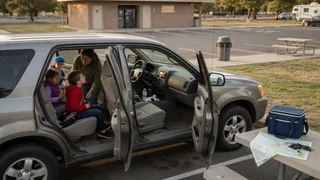
Iowa Highway 20 rest stops
Planning a drive across Iowa on Highway 20 means thinking about fuel, fatigue, and safe places to pause. Rest stops along this northern route offer basic traveler services without leaving the corridor. Understanding how the highway is organized by route segment, road classification, and access restriction helps drivers anticipate where services may be found. Travel conditions can change with weather and construction, so recognizing traffic signs and lane layout before entering a roadside facility is part of safe route driving. This overview explains what the stop areas are and how they fit into a cross-state trip.
Essential answer
Rest stops on Iowa Highway 20 are designated roadside areas where drivers can pull off the main travel lanes to pause, use restroom facilities when available, and recover from extended route driving. The term generally covers both full rest areas with buildings and smaller turnout or parking areas. Access restriction matters here: some locations are simple pull-offs signed only for a brief stop, while full facilities may have separate truck and passenger vehicle parking. Their purpose is to reduce fatigue on long rural stretches rather than serve as general exits.
The route segment between a driver’s current position and the next planned stop should be checked on current state travel-condition sources, because facility availability can vary by location and season. Road classification affects design speed and stopping distance, so signed advance notice gives time to move toward the right lane without abrupt braking. The lane layout at a rest stop entrance often narrows from the highway, meaning a following vehicle may be close. Watching traffic signs for the posted exit speed and split between car and truck parking improves safety when entering the facility.