How to Interpret Used Car Prices and Market Averages
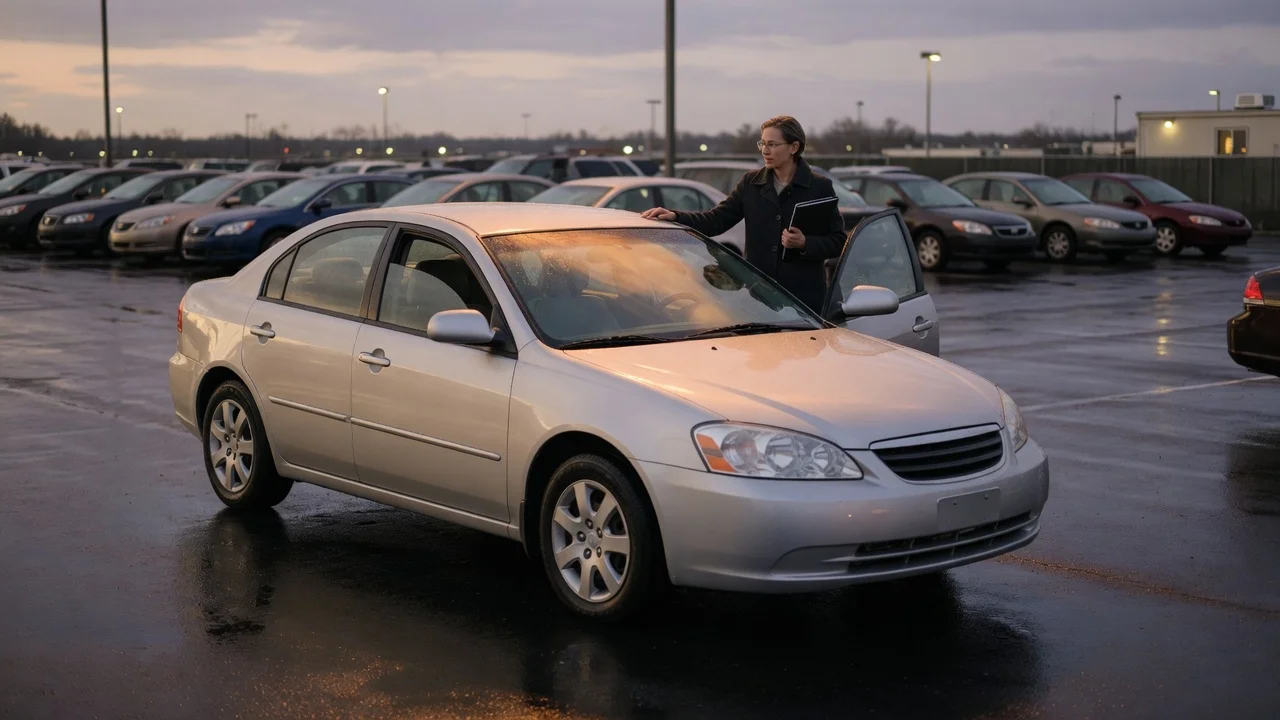
An average used car price describes a particular group of vehicles; it does not establish what an individual car is worth. To interpret it, check which vehicles the figure includes, where and when the data was collected, and whether it measures advertised prices or completed sales. Then compare the car you are considering with closely matched vehicles.
What an average used car price actually means
A mean price is the total of the recorded prices divided by the number of vehicles. A median price is the middle value when prices are arranged in order. Expensive vehicles can pull the mean upward, so the mean and median can tell different stories about the same group. If a report says only “average,” check which calculation it uses.
The vehicles included matter as much as the calculation. A figure covering many vehicle types, ages and price ranges is a broad market indicator. A figure limited to a particular model year and vehicle category is more relevant to that narrower search, although individual condition still matters.
Separate asking prices from completed sale prices
An asking price is the amount a seller advertises. A completed sale price records what a buyer paid under the dataset’s definition. Advertised prices show what sellers are requesting, but they do not establish what buyers will agree to pay. Check whether the reported figure includes dealer sales, private sales or wholesale transactions between businesses before comparing it with an offer.
Also check what the price includes. A vehicle price and a total purchase cost are different measures. Establish whether taxes, registration, seller fees and any added products are included, and compare offers on the same basis. Keep financing costs separate from the vehicle price so a monthly payment does not obscure the amount being charged.
Compare vehicles that are genuinely similar
For an individual car, use comparisons from the same geographic market and a relevant date range. Match the make, model, model year, trim, body style and powertrain as closely as the available evidence allows. Trim means the equipment version; powertrain refers to the engine or motor and associated drivetrain. A shared model name alone does not establish an equivalent specification, particularly across different markets.
Then consider mileage, documented maintenance, physical condition, accident history and title status. These differences can affect how useful a comparison is. Do not assign a fixed price adjustment to a difference unless you have evidence supporting it. If important details are missing, treat the comparison as provisional.
Read market movements carefully
A change in the market average does not necessarily mean every used car has changed in value by the same amount. The average can also move because the mix of vehicles changes—for example, if the dataset contains a larger share of newer or more expensive cars. Comparisons over time are easier to interpret when the vehicle group, geographic coverage and calculation method remain consistent.
A national figure provides broad context, while evidence from the market where you intend to buy is more directly relevant to your options. Check the period covered by the data as well as its publication date; a newly published report can describe an earlier period.
Use the evidence to judge your next step
A price below an average is not enough to establish a bargain, and a price above it is not enough to establish overpricing. Look for an explanation supported by the car’s specification, history, condition and comparable offers. If a price difference remains unexplained, request the missing records or arrange an independent inspection before relying on the apparent value.
No dated market dataset, location or specific vehicle details were supplied here, so a current average used car price or a fair price for a particular car cannot be established. For a purchase decision, gather comparable vehicles, confirm the full purchase cost and resolve material gaps in the car’s condition and history.