Intercomp Tire Pressure Gauge
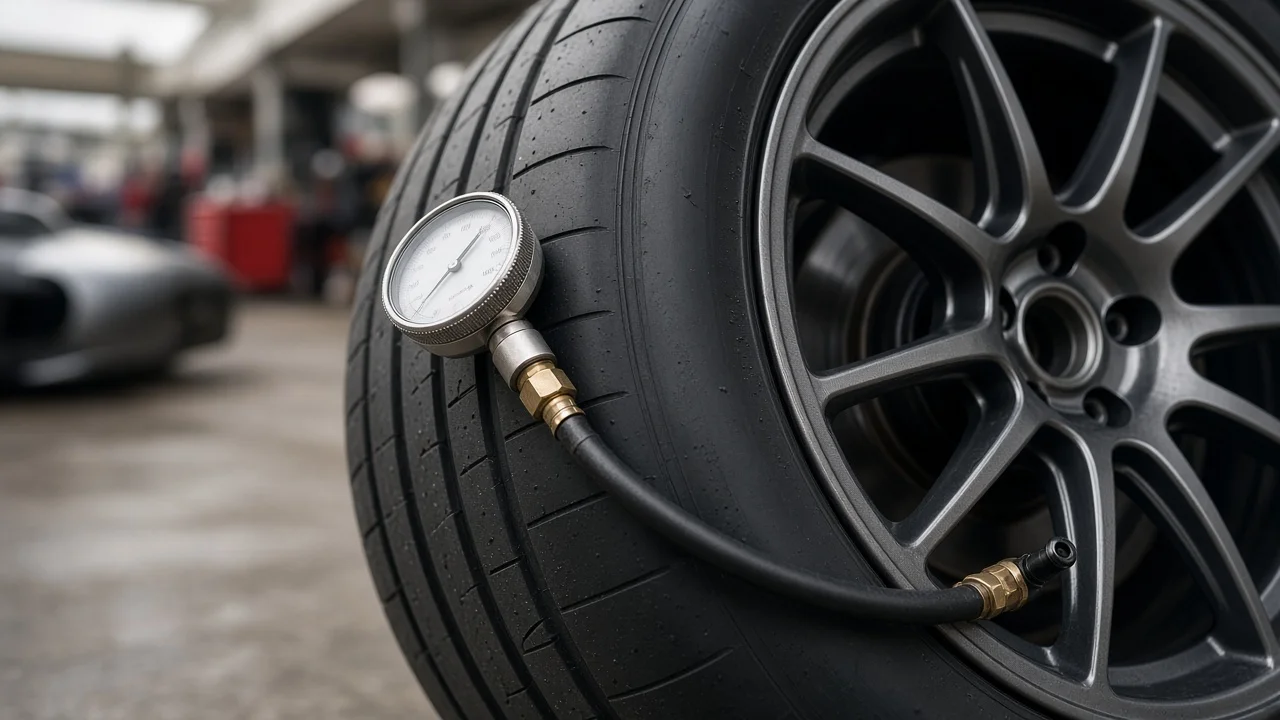
Choosing a tire pressure gauge for motorsport or shop use means looking past the dial and evaluating how a tool holds calibration, reads on a crowded valve stem, and matches the pressures a vehicle actually runs. For an Intercomp tire pressure gauge, the buying question is usually about repeatable measurement rather than a simple air check. Accuracy, the selected measurement range, and the mechanical connection at the chuck all change whether a reading is trustworthy. This guide explains what to assess before purchase and how the Intercomp 360045 fits practical pressure-checking needs.
The direct answer
The direct answer is that an Intercomp tire pressure gauge is a precision measurement tool aimed at users who value consistent, repeatable readings across a session. The purchase should be judged primarily by whether its measurement range and zero stability suit your tire pressures. A gauge is not simply good or bad; the useful question is whether its span covers the cold and hot pressures your vehicle will reach without operating near the far ends of the scale, where many mechanical gauges become less linear.
The Intercomp 360045 tire pressure gauge should be evaluated as one option within that range. Before buying, check that the gauge reads in units you use at the track or in the shop, and confirm the chuck seats firmly on the valve stem without leaking during the short measurement. Since no tire pressure gauge proves a part has failed, an odd reading is only a prompt to recheck the connection, zero point, or vehicle specification rather than an automatic reason to replace components.