Inner Bearing Race Stuck on the Hub: How to Remove It
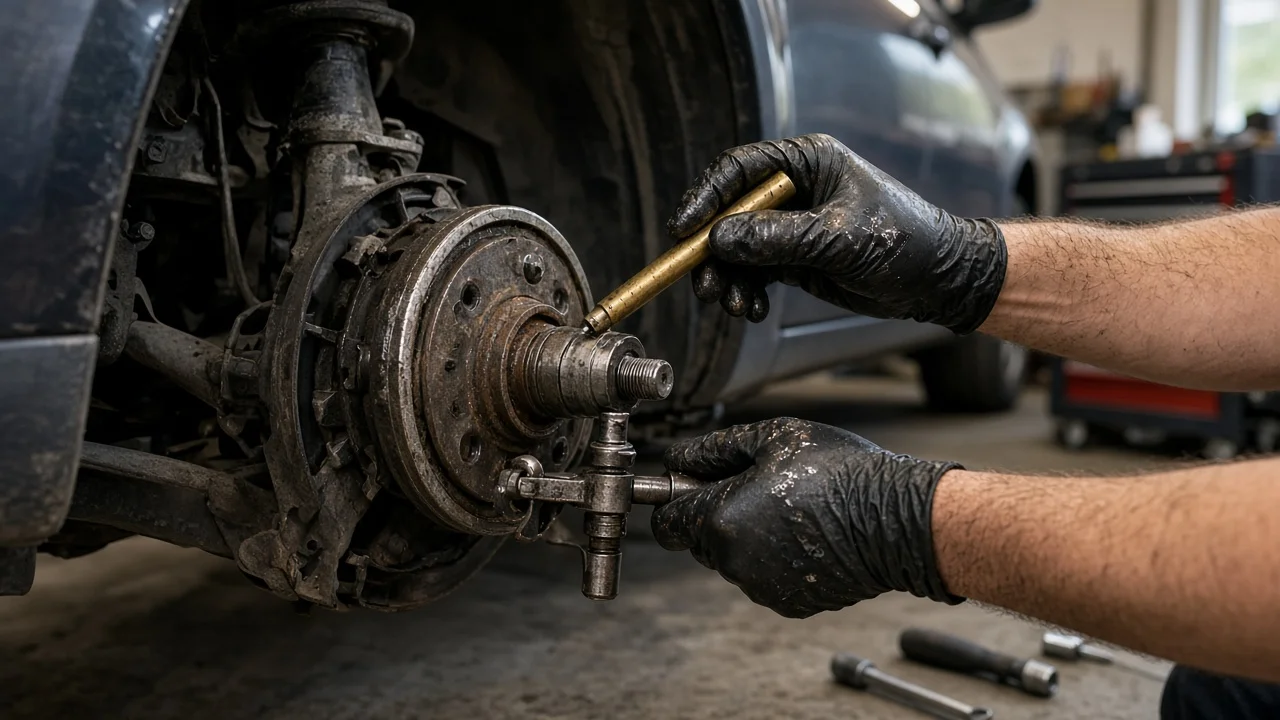
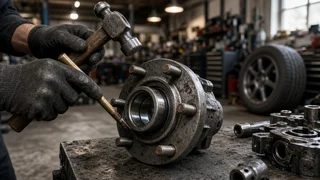
When a wheel bearing fails, the outer race may separate cleanly, leaving the inner bearing race seized to the wheel hub. The rusted ring forms a tight interference fit that resists ordinary pulling. Because the hub surface underneath is precision machined, the goal is to remove the hardened steel collar without gouging the sealing area or changing the fit for the new bearing. Several controlled methods can break the bond, but the choice depends on the accessible shoulder behind the race, the tools available, and whether the knuckle or hub remains installed.
Direct answer
A stuck inner bearing race is usually freed by applying focused heat to expand the ring more than the hub, then sliding it off with a puller, chisel, or rotary cut. The race is hardened, but differential heating and moderate striking usually loosen the corrosion bond without damaging the hub journal. If no shoulder is exposed for a puller, carefully grinding a shallow groove across the race can relieve tension and allow a cold chisel to crack the ring.
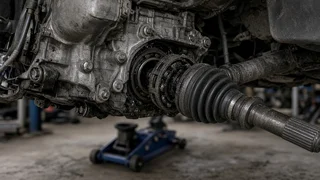
First protect components such as the ABS sensor and CV boot near the hub before applying heat or grinding. The hub surface beneath the race is the critical sealing and mounting area, so avoid cutting into it. If direct hammering on a seized ring feels unsafe or the race sits too close to the flange, supporting the assembly and working from opposite sides improves control. A successful removal preserves wheel alignment and mounting points as much as possible.
How to proceed
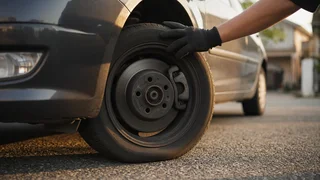
Begin with stable vehicle support, remove the hub assembly or axle nut according to the service procedure, and inspect the exposed inner race. Look for a step behind the ring that a bearing splitter or two-jaw puller can grip. Apply penetrating oil to the joint between the race and hub, then heat the race in sweeping passes rather than holding the torch in one spot. As the race grows slightly, tap gently using a brass drift or blunt punch and advance a puller if jaws can seat behind it.
When no puller lip exists, cut a slanted groove almost through the race with a cutoff wheel, avoiding the hub beneath. Place a cold chisel in the groove and strike it to split the hardened ring; a second cut on the opposite side can ease removal from a heavily corroded joint. Work with measured hammer blows and reevaluate joint play after each attempt. If the method compromises the hub or produces uncertainty about heat effects, stop and have the knuckle inspected before installing a new bearing and rechecking ride height.