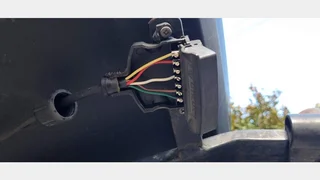
Inertia Trailer Brake Controller
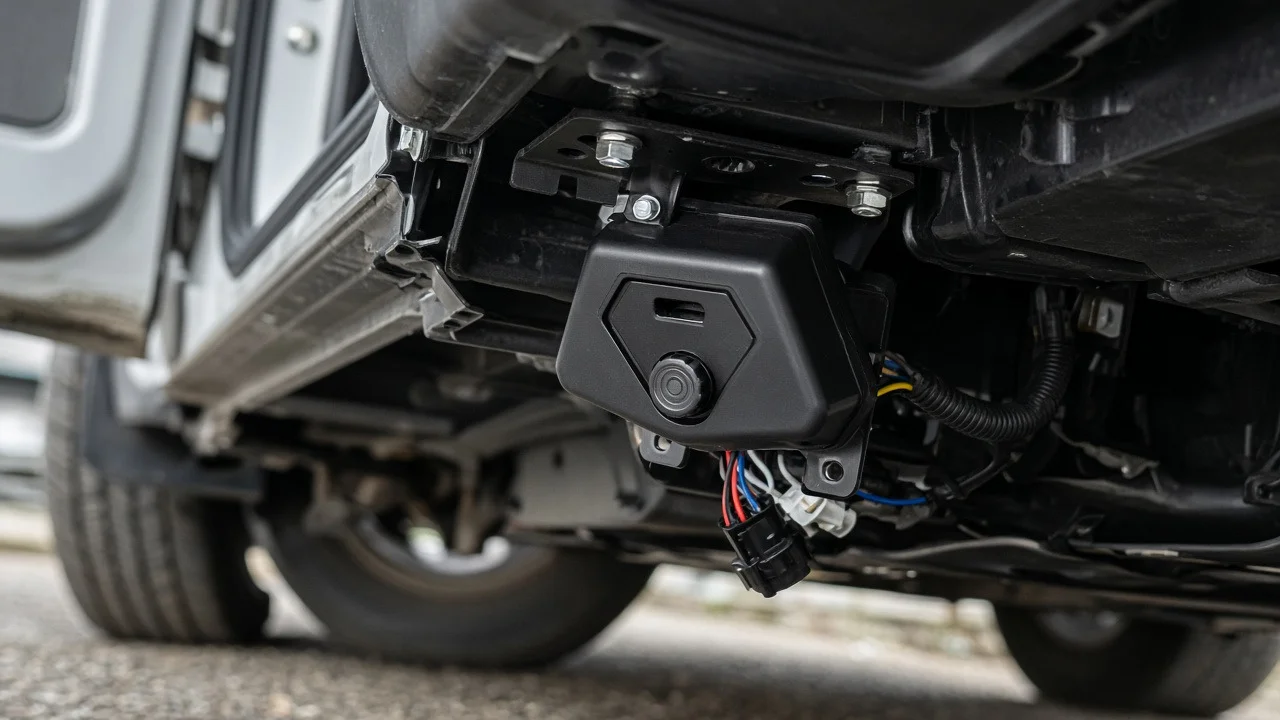
A trailer brake controller that relies on inertia can change how a tow vehicle and trailer slow together, especially when the trailer has electric brakes. This design uses a sensor to detect deceleration and then sends a proportional signal to the trailer’s brake assemblies. Understanding that operating principle helps when comparing controllers for a specific trailer weight, axle count, and tow vehicle fitment. The following section explains what to look for before making a buying decision.
The direct answer
An inertia trailer brake controller works by measuring the tow vehicle’s deceleration and applying the trailer brakes in proportion to that movement. Inside the controller, a pendulum or accelerometer responds when the vehicle slows, and that movement determines how much braking force reaches the electric brakes. This approach can feel smoother than a time-delayed system because the trailer responds more closely to the driver’s actual pedal pressure. The result is less push-pull between the truck and trailer during a normal stop on level pavement.
When choosing one, consider how the controller is mounted and calibrated. It should be installed in a position where its sensing element aligns with the direction of travel, because an incorrect angle can make braking feel early, late, or uneven. The initial gain setting also affects how strongly the trailer brakes engage for a given amount of slowdown. A heavier trailer generally needs a higher setting, while a light trailer may feel grabby if the signal is too strong. These adjustments are part of the normal setup rather than signs of a defect.