In-Tank Fuel Pump for 1000 HP
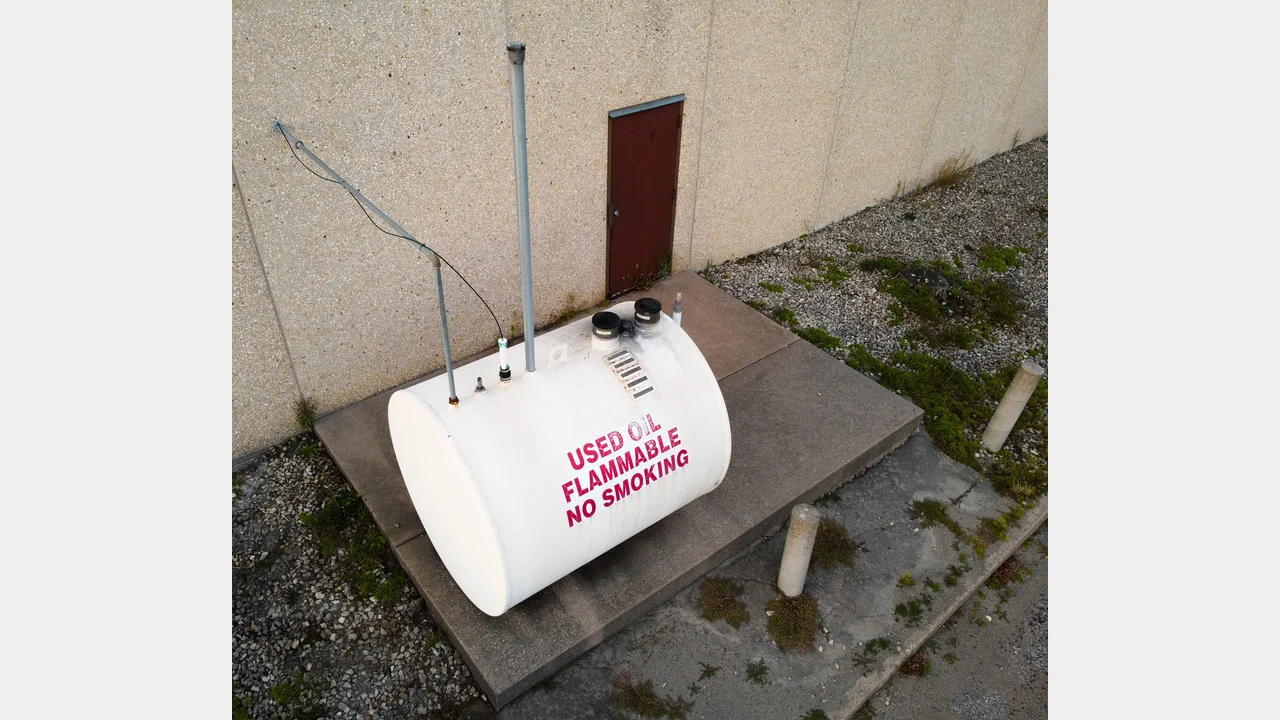
Choosing an in-tank fuel pump for a 1000 hp build means planning for flow volume under boost, not just buying the largest module that fits the tank. High-horsepower engines expose weak spots quickly: a pump that flows well at idle can fall flat under load, causing fuel pressure to sag and injectors to run outside safe fuel trim. The right setup accounts for engine configuration, fuel type, line size, and wiring so the pump maintains steady delivery when demand peaks. This guide explains the direct answer and the practical checks that support a reliable high-output fuel system.
The direct answer
A single in-tank module may support a 1000 hp target on pump gas when it flows enough volume at rated pressure, but the more dependable approach is usually a high-capacity pump or staged dual-pump arrangement. The exact requirement depends on engine configuration, injector size, boost level, and whether the fuel is gasoline or ethanol. Do not treat a horsepower rating on a pump box as an absolute guarantee; voltage at the pump, fuel filter restriction, and return-line capacity all change real-world output.
The key condition is that airflow and fuel demand must reach a believable ceiling without pressure falling. If the module is marginal, the engine can run lean even when the pump sounds healthy. This is why builders commonly oversize the in-tank supply slightly and use a regulator to return excess fuel. That margin protects fuel trim, keeps the injector spray pattern consistent, and reduces the risk of a high-rpm pressure drop that can damage the engine.