In-Dash Trailer Brake Controller
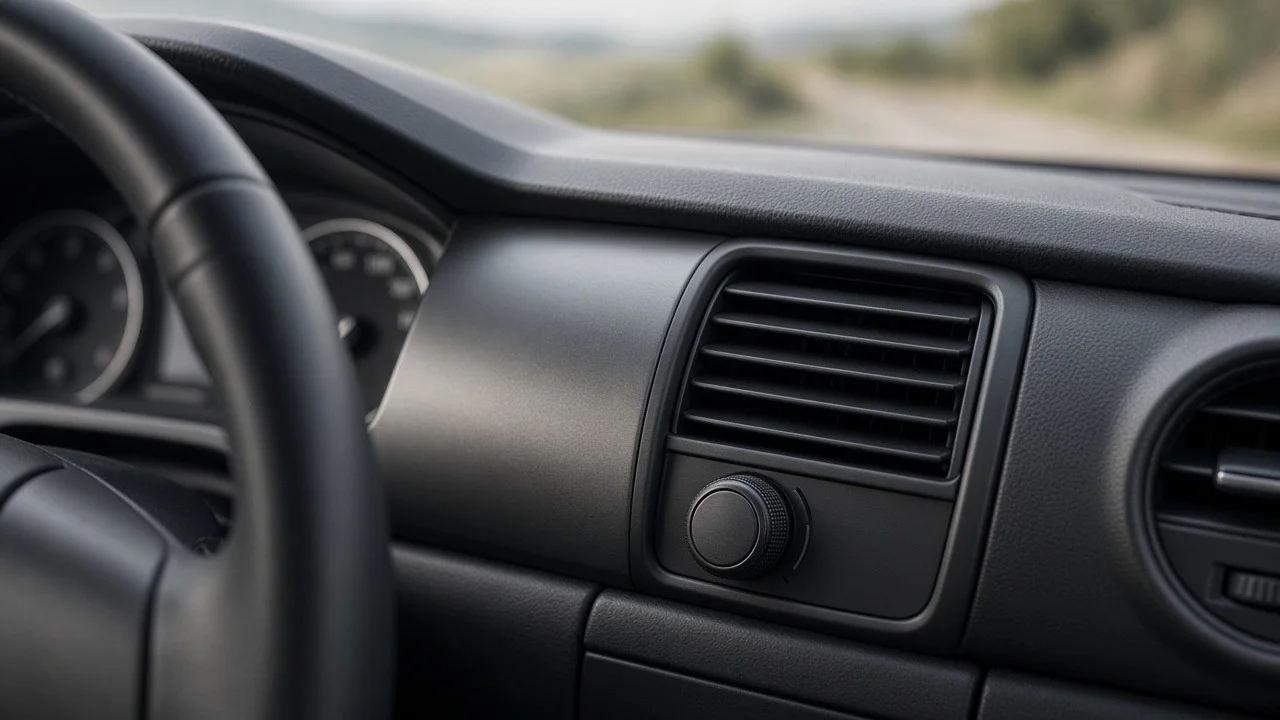
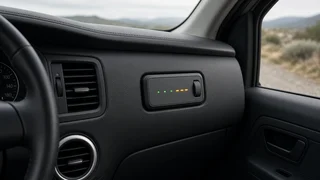
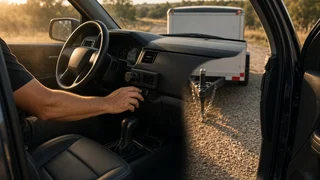
Choosing an in-dash trailer brake controller changes how a tow vehicle responds under load, putting trailer braking control directly into the factory dashboard layout instead of adding an under-dash box. For owners researching this upgrade, the central question is whether a factory-style integrated controller will match the vehicle’s wiring, mounting provisions, and braking expectations. Because towing stability depends on predictable trailer brake output, the purchase decision should account for vehicle fitment, existing connector support, and how the controller communicates with the brake system before installation.
The direct answer
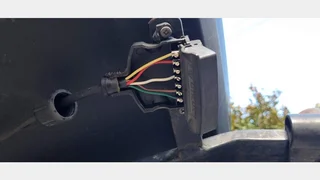
An in-dash trailer brake controller is a viable choice when the vehicle already has the supporting dash opening, trailer brake wiring, and a compatible control module path. The benefit is a clean installation that uses the factory mounting location and keeps the driver’s knee area clear. The main condition is compatibility: not every truck or SUV is pre-wired for a factory-style in-dash unit, and some vehicles require an additional jumper harness, activation by a scan tool, or a specific control module before the controller will operate correctly.
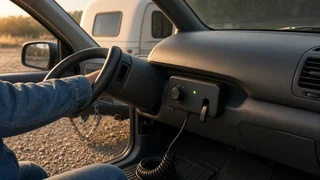
If the vehicle lacks the factory connector or module support, a high-quality aftermarket controller with an under-dash mount may be more practical. For vehicles with the proper provisions, however, the integrated unit can improve confidence by placing the manual brake lever and gain adjustment within easy reach. The immediate answer therefore depends less on whether an in-dash controller is good in general and more on whether the specific tow vehicle’s dash architecture and trailer brake wiring can accept it without unnecessary modification.