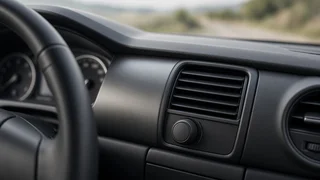
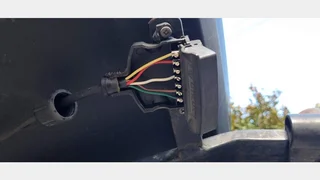
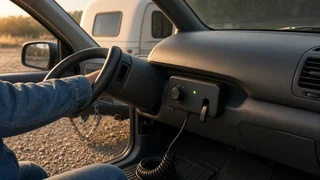
Flush and dash mount trailer brake controller
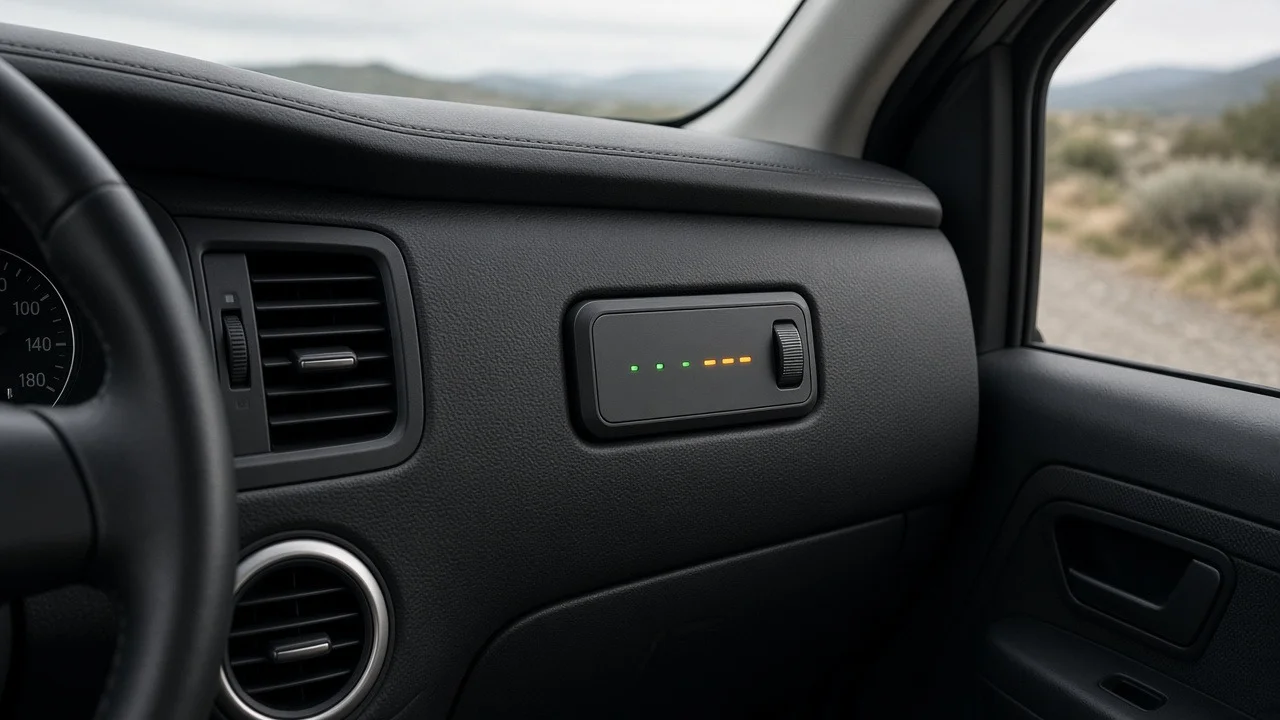
Choosing between a flush mount trailer brake controller and a dash mount unit shapes how cleanly the controller integrates with your tow vehicle and how quickly you can reach the manual override. A flush installation places the module nearly level with the surrounding trim for a factory-like look, while a dash mount design usually leaves the body or bracket exposed for simpler access. Both styles control the same electric trailer brake output, so practical fitment, visibility, and mounting effort typically guide the decision rather than raw stopping force.
The direct answer
The immediate answer is that a flush mount controller works best when you want the unit recessed into a dash panel, storage pocket, or custom trim plate, while a dash mount controller is the more straightforward choice when you prefer an under-dash bracket or surface mount with limited cutting. The controlling distinction is installation geometry, not brake function, so either option can manage electric trailer brakes when matched to your vehicle wiring and trailer brake type.
A flush mount installation often gives a tidier cockpit and reduces the chance of knee or cargo contact, but it may require more trimming and precise support behind the panel. A dash mount kit can be positioned quickly and adjusted for reach, making the manual lever easier to engage in a sway event. If the panel location blocks the controls or creates a steep viewing angle, the cleaner look is not worth reduced access during towing.