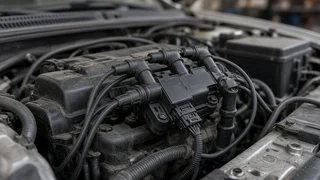
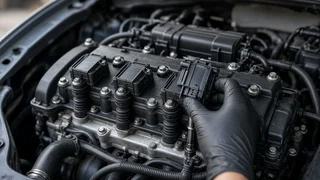
Ignition coil tester
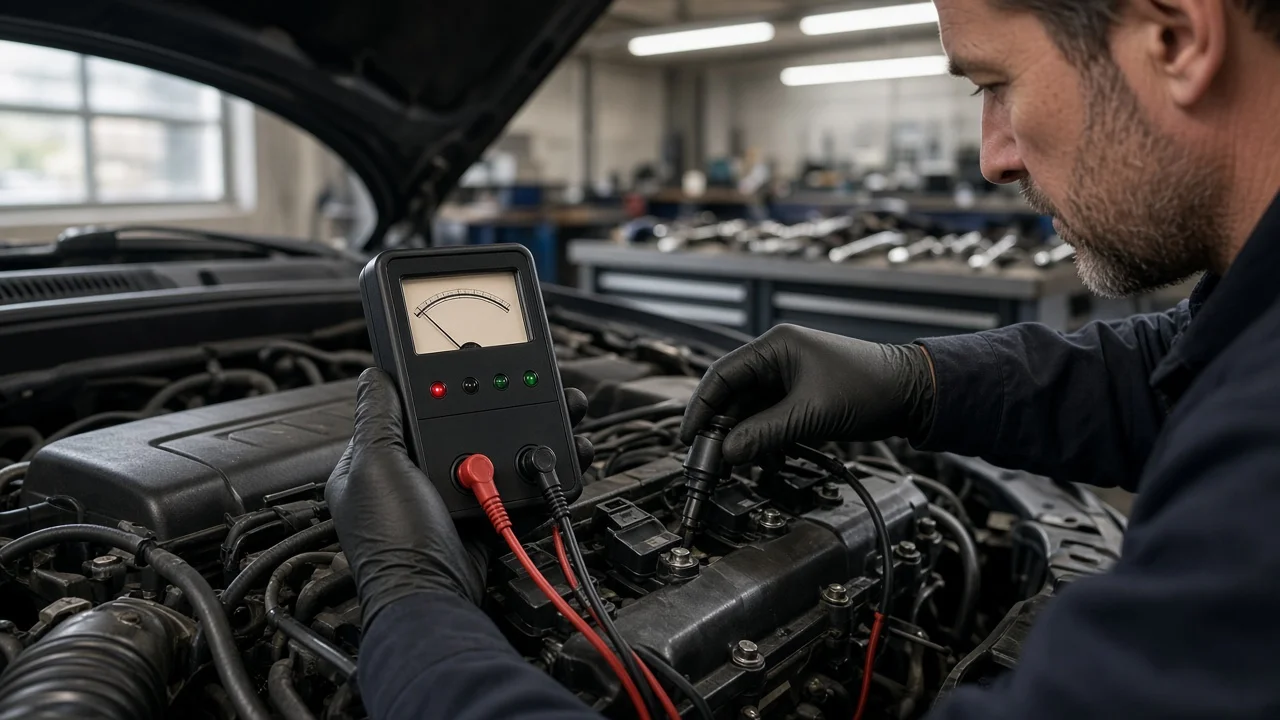
A weak or inconsistent spark can make a vehicle crank normally yet refuse to start, and the ignition coil is often the prime suspect. A car ignition coil tester helps distinguish a coil that is actually failing from other faults that create similar symptoms, such as low battery state of charge, a weak starter circuit, or an interruption in fuel delivery. Because ignition coils operate at high voltage under changing heat and load, a tester that evaluates their output gives useful diagnostic direction before parts are replaced. The right testing approach depends on the coil design and the ignition system used.
Essential answer
A car ignition coil tester is a diagnostic tool used to evaluate whether an ignition coil is producing adequate secondary voltage or functioning within expected electrical parameters. Instead of swapping parts blindly, the tester provides a way to observe spark strength, coil trigger signals, or winding condition. This matters because misfires, hard starting, and random stalling can also be caused by the ignition switch, cranking speed, or fuel delivery problems. A tester narrows the diagnostic path by focusing attention on the coil rather than less relevant components.
The essential scope includes several tester types, from simple spark testers that connect between the coil and a spark plug wire to more advanced tools that measure primary resistance, secondary resistance, or trigger signals on coil-on-plug systems. Because some vehicle systems use one coil per cylinder while others use a shared coil pack or a single coil with a distributor, the correct connection method varies. A tester does not prove a coil is perfect under all conditions, but it offers meaningful evidence when combined with standard diagnostic checks.