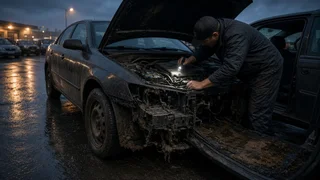
How to Identify and Avoid Flood-Damaged Cars Before Buying
The Short Answer
A flood-damaged car, sometimes described as a drowned car, is a vehicle that has been partly or fully submerged, letting water reach the cabin, engine, transmission, fuel system or electrical components. Water damage is often hidden and can cause electrical faults, corrosion, mold and safety-system problems that appear months after the sale. To avoid buying one, combine three checks: research the vehicle's title and history using its VIN (Vehicle Identification Number), inspect it yourself for physical signs of water intrusion, and have an independent qualified mechanic inspect it before you pay. No single check is conclusive, so if the evidence is mixed or the seller limits your inspection, walk away.
One condition changes the picture: whether the flood damage was reported. A vehicle that was insured and declared a total loss is more likely to carry a branded title or a history-report entry. A vehicle that was uninsured, repaired privately, or moved between states may show no paper trail at all, which is why physical inspection matters even when the records look clean.
Why Flood Damage Is Hard to Spot
After a flood, damaged vehicles can be cleaned, dried, detailed and resold, sometimes far from where the flood occurred. Carpets and upholstery can be replaced, and electronics may work at first before corrosion develops in connectors and wiring. Salt water is generally more corrosive than fresh water, but either can cause lasting damage. Vehicles from dealership lots or storage areas caught in a flood can also enter the market, so a car being new, low-mileage or sold by a dealer does not rule out water exposure.
Key Terms to Know
Branded title: a title carrying a label such as flood, water damage, salvage or rebuilt that records a serious past problem. Labels and rules differ by state. Salvage title: generally issued when an insurer declares a vehicle a total loss; the exact threshold and wording depend on the state. Title washing: re-registering a vehicle in another state in a way that removes or hides a previous brand. VIN: the unique 17-character vehicle identifier, usually visible through the windshield on the driver's side of the dashboard and on a label in the driver's door jamb. Pre-purchase inspection: an independent examination of the vehicle by a mechanic you choose, done before you commit to buying.
Physical Warning Signs and Where to Find Them
Look for patterns rather than a single clue. Many signs have innocent explanations on their own, such as a spilled drink or a leaking window seal, so note where each sign appears and whether several point the same way.
Area | What to look for | Possible look-alike; Cabin smell | Musty, mildew or damp odor; heavy air freshener or strong cleaning-product smell that may be masking it | Smoker's car or poor cleaning; Carpet and padding | Dampness, stiffness, water stains, or carpet that looks newer than the rest of the interior | Leaking door seal, sunroof drain or heater core; Under the seats and seat rails | Rust on seat bolts, rails and brackets; silt or dried mud | Normal surface rust in older vehicles from humid regions; Trunk and spare-tire well | Standing water, silt, rust, water lines or mildew | Leaking taillight or trunk seal; Door panels and door-jamb seals | Mud, sand or debris trapped behind panels and seals | Off-road use; Lights and gauges | Fogging or a visible water line inside headlights, taillights or the instrument cluster | Condensation from a cracked or poorly sealed lamp; Under the hood | Silt in crevices, debris behind the radiator, corrosion on terminals or connectors, a visible water line | Age-related corrosion; Underbody | Unusual rust or flaking on fasteners and components that normally stay clean | Road-salt exposure in snowy regions; Seat belts | Discoloration, stiffness or debris when fully extended | Heavy wear
The way to resolve an uncertain sign is to check whether it is isolated or widespread. A leak tends to affect one area near its source; flood exposure tends to leave evidence at a consistent height in several separate places, such as under the seats, behind trim, in the trunk and in the engine bay.
Step-by-Step: Screening a Used Car for Flood Damage
What you need: the VIN, a flashlight, permission to look under seats and carpet edges and inside the trunk, time for a test drive, and an independent mechanic willing to do a pre-purchase inspection.
1) Check the title and history before you visit
Ask the seller for the VIN and run it through a vehicle history report. In the US, the National Motor Vehicle Title Information System (NMVTIS) collects title and brand data from states, insurers and salvage businesses, and approved providers sell reports drawn from it. The National Insurance Crime Bureau also offers a free VINCheck tool that can show whether a vehicle has been reported as a total loss by participating insurers. Look for flood, salvage or rebuilt brands, total-loss records, and registrations in areas recently hit by flooding. Gap to be aware of: these sources only show what was reported, so a clean result is not proof the car was never flooded.
2) Ask the seller direct questions
Ask whether the vehicle has ever been in a flood, had water inside, or been declared a total loss, and where it has been registered and kept. If buying from a dealer, ask whether the vehicle was on a lot or in storage during any flood. Get answers in writing where possible. Disclosure obligations vary by state, so check your state's rules if a seller refuses to answer.
3) Compare the paperwork with the car
Confirm the VIN on the dashboard and door-jamb label matches the title and history report. Check that the title is the original document for the state where the car is being sold, and be cautious if it was recently issued in a new state, which can be a sign of title washing.
4) Inspect the interior and trunk
Use the warning-sign table above. Smell the cabin with the doors and windows closed. Press on the carpet, look under the floor mats and, where the seller allows, lift a carpet edge. Shine a light under the seats at the rails and bolts, and lift the trunk floor to inspect the spare-tire well. If the seller refuses reasonable access, treat it as a reason to walk away.
5) Test the electrical systems
With the ignition on, check every light, gauge and warning lamp, the power windows, locks, mirrors and seats, the infotainment and audio, the horn, wipers, climate controls and fans. Intermittent or flickering behavior is a concern. Pay attention to the airbag warning light: it should illuminate briefly at start-up and then go out. If it stays on, never comes on, or other safety warnings persist, the vehicle needs professional diagnosis before purchase, because water can affect airbag and other safety-system components. Do not try to diagnose or repair airbag systems yourself.
6) Inspect under the hood and underneath
Look for silt, debris, corrosion and water lines in the engine bay. Check the engine oil and, where accessible, other fluids; a milky or cloudy appearance can indicate water contamination, though it can also have other causes such as a head-gasket problem, so it should be investigated rather than dismissed. Look underneath for unusual rust on parts that would normally be clean. Do not crawl under a vehicle that is not safely supported.
7) Test drive
Watch for hesitation, rough running, warning lights appearing while driving, erratic transmission behavior and unusual noises. Note any fogging of the windows that suggests moisture in the cabin.
8) Get an independent pre-purchase inspection
Have a mechanic you choose, not one recommended by the seller, inspect the car. Tell them you want it checked specifically for flood damage. A qualified technician can remove trim, inspect connectors and wiring, scan electronic modules for stored fault codes and look at areas you cannot safely reach. This is the work that requires qualified service; the earlier steps are screening, not a substitute.
9) Decide and verify
The screening is complete when you have a history report, the seller's written answers, your own inspection notes and the mechanic's findings. If the title is branded for flood, if several physical signs point to water exposure, or if the seller blocks any step, the safest choice is to walk away. If you still consider a vehicle with a disclosed flood history, understand that repairs may be ongoing, insurance and financing can be harder to obtain, and resale value is typically lower.
If You Suspect You Already Bought a Flood Car
Have it inspected by a qualified mechanic, especially the airbag and other safety systems, and keep records of what is found. If the damage was not disclosed, your options depend on your state's laws and the terms of the sale; your state's attorney general office or consumer protection agency, or a lawyer, can explain what applies. Suspected title fraud can also be reported to the National Insurance Crime Bureau.
Limits of This Guide
Title branding terms, insurer total-loss rules and seller disclosure requirements differ by state, and this guide does not set out any specific state's law. Inspection cues are general and apply across most vehicles, but component locations vary by make and model; consult the owner's manual or a qualified technician for your specific vehicle. No combination of records and visual checks can guarantee a car was never flooded, which is why the independent inspection is the most important step.